
ℹ️ Note: This article contains affiliate links. As an Amazon Associate, I earn from qualifying purchases at no extra cost to you.
They’re on office desks, in school backpacks, on decor shelves, and they’ve taken over social media with videos of mesmerizing squeezes. Soft, colorful, and slow to spring back into shape (slow-rising), squishy stress toys have gone from simple kids’ playthings to popular companions for adults looking for a tactile break in a fast-paced routine.
But beyond the cute look and the fun of collecting them, there’s a legitimate question: does squeezing a foam or silicone object really help calm the mind and reduce stress, or is it a placebo effect fueled by digital trends?
What Are Squishies, and Why Are They So Appealing?
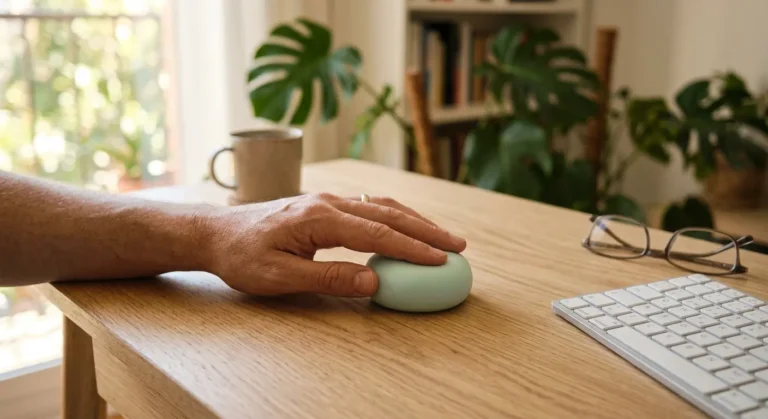
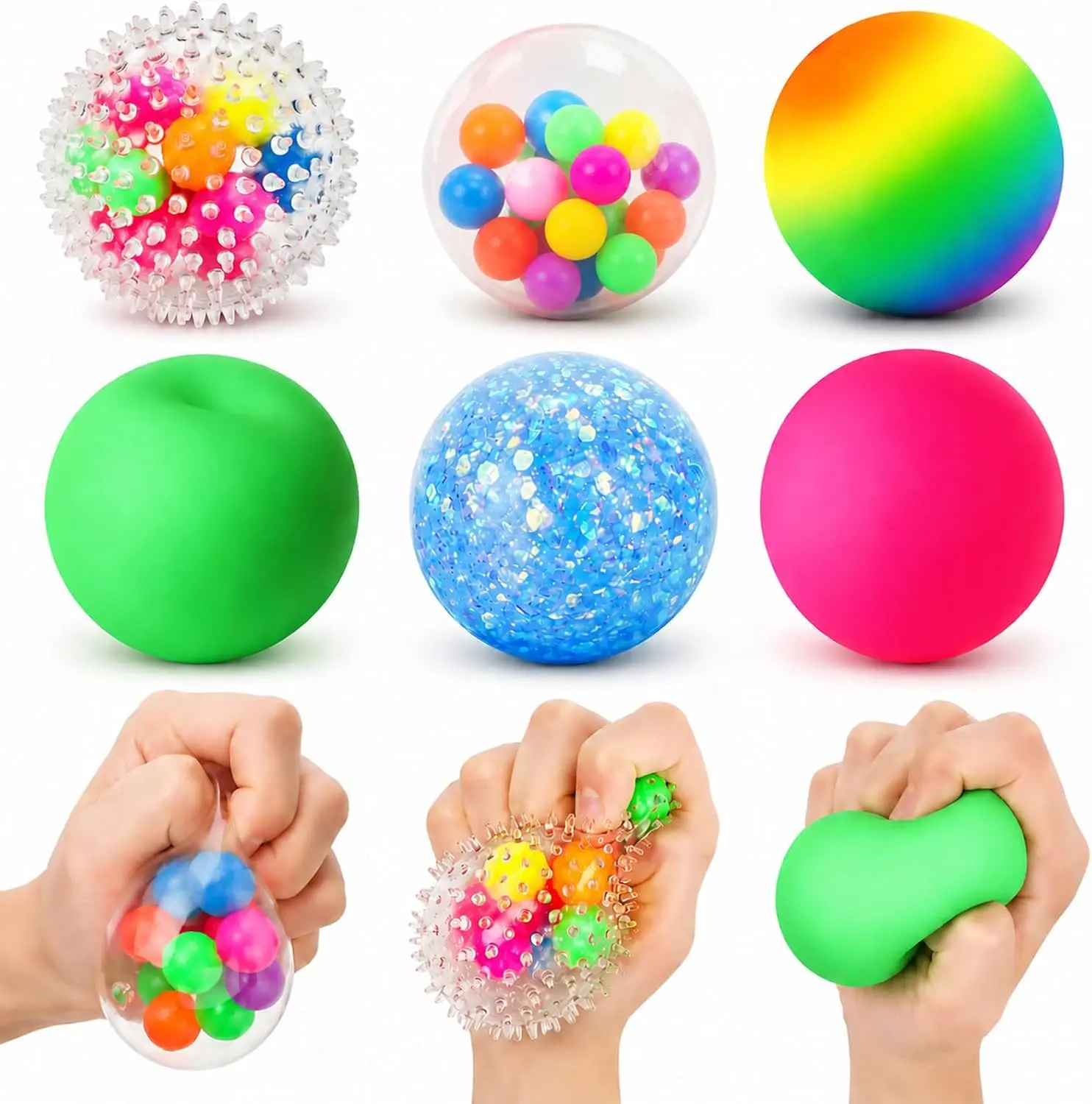
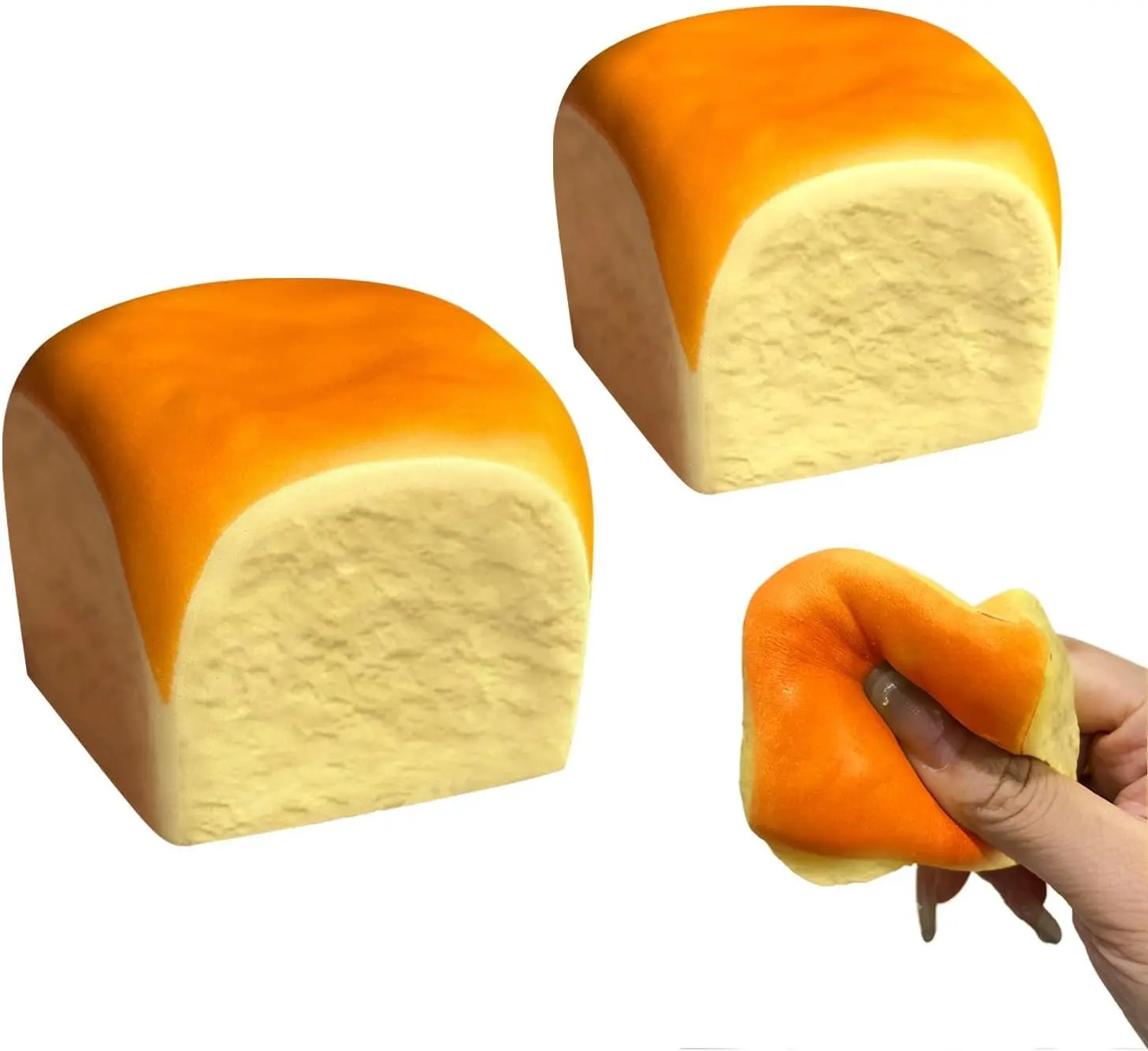
Usually made from slow-rebound polyurethane foam (memory foam) or soft, high-density silicone, squishies are designed to deform under the pressure of your hands and slowly return to their original shape.
Unlike other fidget toys (such as the famous fidget spinner or pop-its), the squishy stands out for its multisensory experience:
- Tactile stimulation: The soft texture and the gradual resistance of the material as you squeeze it create a pleasant, comforting feel.
- Visual stimulation: The slow recovery of its original shape creates a rhythmic visual effect that holds your attention and encourages you to slow down.
- Olfactory stimulation: Many squishies are lightly scented with vanilla, strawberry, or sweet vanilla fragrances, triggering emotional memories through the sense of smell.
The Science of Touch: How the Squishy Works on the Nervous System
Although it seems like a simple practice, repetitive tactile interaction with a soft object activates neurological circuits that are well documented in psychology and neuroscience:
- Release of residual muscle tension: Stress involuntarily triggers muscle contraction in the neck, shoulders, and hands. Rhythmically squeezing and releasing the squishy works like a progressive muscle relaxation exercise, easing built-up tension in the wrist and forearm.
- Shifting focus and staying anchored in the present (tactile mindfulness): When the mind gets stuck in anxious thoughts or information overload, redirecting your attention to the physical sensation of squeezing acts as an “anchor” in the present moment, interrupting the cycle of mental rumination.
- Sensory regulation and proprioception: The pressure from your hands sends signals to the proprioceptive system (which tells the brain about the body’s position and effort), promoting a sense of grounding and calm during moments of mild anxiety.
Comparing Stress-Relief Tools
Not all tactile relief objects work the same way for everyone. Here’s how the squishy stacks up against other popular options:
Tool | Main Stimulus | Noise Level | Best For |
Squishy | Gentle tactile, visual, and sensory | Completely silent | Relief from mild anxiety, focus, and work breaks |
Physical Therapy Ball | High muscle resistance | Silent | Grip strengthening and rehabilitation |
Pop-It / Fidget Toys | Tactile and auditory (the “pop”) | Low to moderate | Motor restlessness, ADHD, and childhood stress |
Spinner | Visual and rotational | Low | Mild motor restlessness |
Where the Squishy Helps (and Where It Doesn’t)
To get the most out of this tool without unrealistic expectations, it’s important to understand its practical limits:
When it’s a great ally:
- As a mindful break during long hours of studying or working at the computer.
- To redirect habits like nail biting or tapping on the desk during moments of concentration.
- As a discreet tool for reducing hand fidgeting during long meetings or calls.
What it doesn’t replace:
- The squishy doesn’t address the root causes of chronic stress, burnout, or anxiety disorders.
- It works as a momentary pressure-release valve, but it should be combined with solid mental health habits, such as adequate sleep, exercise, real breaks, and professional counseling when needed.

Conclusion: Small Rituals of Calm in the Age of Stress
In a world saturated with virtual stimuli and constant notifications, the success of squishy toys among adults reveals something valuable: our instinctive need to return to what’s tangible and simple.
Squeezing a small piece of soft foam during an exhausting day may not solve all the problems in your routine, but it offers a precious physical reminder: the importance of slowing down, releasing the tension in your hands, and taking a deep breath before your next step.
Sources and Inspirations
- Ratey, J. J. (2008). Spark: The Revolutionary New Science of Exercise and the Brain. Little, Brown and Company. (A look at how light physical movement and simple motor stimuli help manage anxiety and improve attention.)
- American Psychological Association (APA). (2020). “Stress in America: Managing Stress Through Somatic and Tactile Approaches.” APA Practice Guidelines. (Guidelines on the use of tactile and proprioceptive stimuli for emotional self-regulation and relief from everyday stress.)
- Harvard Health Publishing. (2018). “Understanding the Stress Response: How Mind-Body Techniques Can Help.” Harvard Medical School. (An analysis of the neurobiological mechanisms of relaxation and the impact of mindful breaks on the autonomic nervous system.)
Continue Your Vitality Journey
The Nervous System Calibration: How to Master Stress and Reclaim Your Mental Clarity
Neuroscience and Tea: Why L-Theanine Is Your Focus’s Best Friend
Share Your Experience
Do you use a stress object or fidget toy to help you focus or ease work tension? Do you think the squishy really helps you calm down, or do you prefer other methods? Leave a comment below and let’s talk!
Transparency Note: This blog values originality and technology. The illustrations in this article were developed with the assistance of artificial intelligence to ensure a unique visual identity that is free of copyright restrictions.
