ℹ️ Note: This article contains affiliate links. As an Amazon Associate, I earn from qualifying purchases at no extra cost to you.
When the days start getting shorter, the nights grow longer, and the temperature drops, it’s natural to feel like slowing down. But for millions of people around the world, this seasonal shift brings something much deeper than a little morning sluggishness or a craving for cozy blankets. It’s called Seasonal Affective Disorder (SAD), commonly known as seasonal depression.
If you’ve noticed that your mood, energy, and motivation drop sharply during the fall and winter months, know that it’s not a lack of willpower, and you’re not being “dramatic.” There is a biological, neurochemical, and behavioral explanation for what you’re feeling. And, more importantly, there are proven strategies to help you feel like yourself again.
What Is Seasonal Depression (Seasonal Affective Disorder)?
Seasonal depression is a type of depression that happens at a specific time of year, most often in the fall and winter, when natural sunlight drops off significantly. Less commonly, some people experience it as spring or summer begins.
Unlike a passing bout of sadness, SAD affects your daily functioning, productivity, relationships, and quality of life. The good news is that because it follows a clear seasonal pattern, it can be anticipated, prevented, and treated very effectively.
Most Common Symptoms in Fall and Winter
- Persistent fatigue: Feeling extremely tired, even after many hours of sleep.
- Hypersomnia: Trouble getting out of bed in the morning and an excessive need for sleep.
- Carb cravings: An overwhelming urge to eat pasta, bread, and sweets, often leading to weight gain.
- Social withdrawal: Wanting to isolate yourself from friends, family, and social activities (“hibernation mode”).
- Difficulty concentrating: A sense of “brain fog” and trouble staying focused on daily tasks.
- Ongoing sadness and low motivation: Losing interest in hobbies and activities you used to enjoy.
The Science Behind the Shadows: Why Does This Happen?
Our bodies are deeply connected to the rhythms of nature. When sunlight decreases, the brain goes through significant chemical changes:
- Disrupted circadian rhythm: Less sunlight throws off your internal “body clock,” which tells your body when to be awake and when to rest.
- Lower serotonin: Sunlight stimulates the production of serotonin, the neurotransmitter responsible for mood, well-being, and energy. Less sun means lower serotonin levels.
Excess melatonin: Darkness triggers the production of melatonin, the sleep hormone. Shorter days and longer nights can cause your body to produce too much melatonin during the day, leading to constant drowsiness.
How Can You Tell If It’s Seasonal Depression or Just the “Winter Blues”?
It’s important to tell the difference between the “winter blues” (the mild, passing gloom of winter) and Seasonal Affective Disorder itself.
“Winter Blues” | Seasonal Depression (SAD) | |
Intensity | Mild to moderate | Moderate to severe |
Impact on daily life | Doesn’t stop you from working or socializing | Interferes with work, school, and relationships |
Duration | A few days or a couple of weeks | Entire months (throughout the season) |
Treatment needed | Small lifestyle adjustments | Requires therapeutic strategies and professional support |
Practical Strategies for Overcoming Seasonal Depression
Although it can be challenging, seasonal depression responds very well to lifestyle changes and clinical treatment. Here are the steps experts recommend most:
- Get as Much Natural Light as Possible
- Head outside in the morning: Try to get outdoors within the first 30 to 60 minutes after waking up. Even on cloudy days, outdoor light is significantly brighter than indoor artificial lighting.
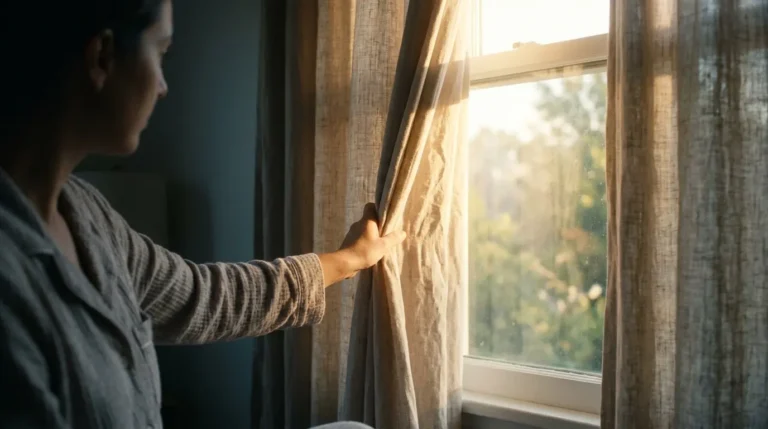
- Open the windows: Keep curtains and blinds fully open during the day, whether you’re at work or at home.
- Consider Light Therapy
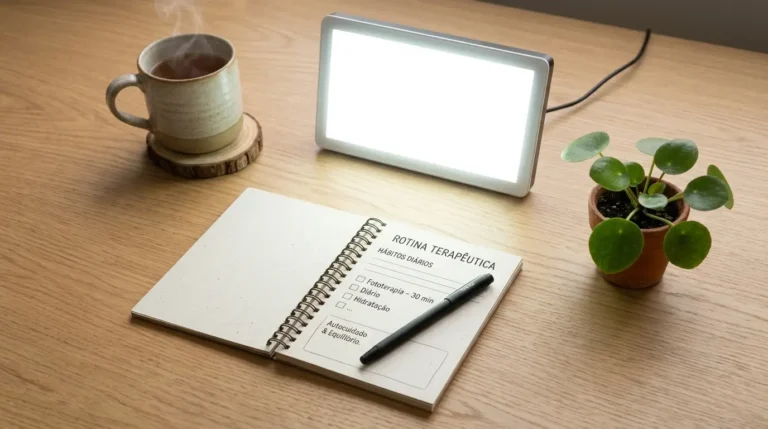
Light therapy using a 10,000-lux light box is one of the first-line treatments for SAD. Just 20 to 30 minutes a day in front of this special light in the morning can mimic the benefits of sunlight, helping regulate your circadian rhythm and boost serotonin.
- Keep Your Body Moving
Exercise releases endorphins and serotonin. Daily walks, yoga, swimming, or strength training can help fight the sluggishness that comes with the season. If you can, try to exercise outdoors during the day.
- Eat Well Without Being Too Strict
That craving for carbs is your brain looking for a “shortcut” to make serotonin. Choose complex carbohydrates (like oats, sweet potatoes, and whole grains), along with foods rich in tryptophan, omega-3s, and magnesium (such as eggs, fish, nuts, and seeds).
- Stay Connected With Others
Resist the urge to isolate yourself completely. Plan get-togethers in cozy settings, invite friends over for tea, or join group activities that keep your sense of community alive.

Conclusion: Getting Through the Cold Days With Balance
If the sadness lasts for weeks, if exhaustion keeps you from meeting your daily responsibilities, or if feelings of hopelessness start to creep in, don’t hesitate to reach out to a doctor or mental health professional. A qualified provider can point you toward the safest path, whether that’s Cognitive Behavioral Therapy, light therapy, vitamin D supplementation, or medication.
Remember: just like the seasons, difficult times pass. Recognizing your body’s signals and adjusting your routine is the first step toward being kind to yourself and getting through the coldest months with energy and a clear mind.
Sources and Inspirations
- Rosenthal, N. E., et al. (1984). “Seasonal affective disorder: A description of the syndrome and preliminary findings with light therapy.” Archives of General Psychiatry. (A landmark study in the clinical characterization of Seasonal Affective Disorder and the therapeutic use of light exposure.)
- Campbell, P. D., et al. (2017). “Bright Light Therapy: Seasonal Affective Disorder and Beyond.” The Einstein Journal of Biology and Medicine. (A systematic review showing the effectiveness of 10,000-lux light boxes in regulating circadian rhythm and relieving depressive symptoms.)
- Partonen, T., & Lönnqvist, J. (1998). “Prevention of winter depression by bright light and exercise.” The Journal of Affective Disorders. (Research showing the combined effect of light exposure and physical activity on regulating serotonin and melatonin levels.)
Keep Building Your Vitality
- The Maze of the Racing Mind: Understanding ADHD in Adults and Reclaiming Your Focus
- Obsessive-Compulsive Disorder (OCD): Beyond Quirks and the Myth of Neatness
Share Your Experience
Do you tend to feel your energy dip during the colder months of the year? Which of these strategies do you plan to try this season? Leave a comment below and let’s talk!
Transparency Note: This blog values originality and technology. The illustrations in this article were developed with the assistance of artificial intelligence to ensure a unique visual identity that is free of copyright restrictions.
