ℹ️ Note: This article contains affiliate links. As an Amazon Associate, I earn from qualifying purchases at no extra cost to you.
Have you ever felt the need to be sharp and alert, but without the nervous jitteriness that coffee so often brings? It is a search for a state of “productive presence” — where “the silence that speaks volumes” calls out for focus and serenity at the same time. Matcha is not just a tea; it is a liquid meditation that delivers exactly that balance.
Unlike other infusions, here you consume the entire leaf in powdered form, which delivers a massive dose of antioxidants and a gradual release of energy that keeps your mind sharp for hours, with no sudden crashes.
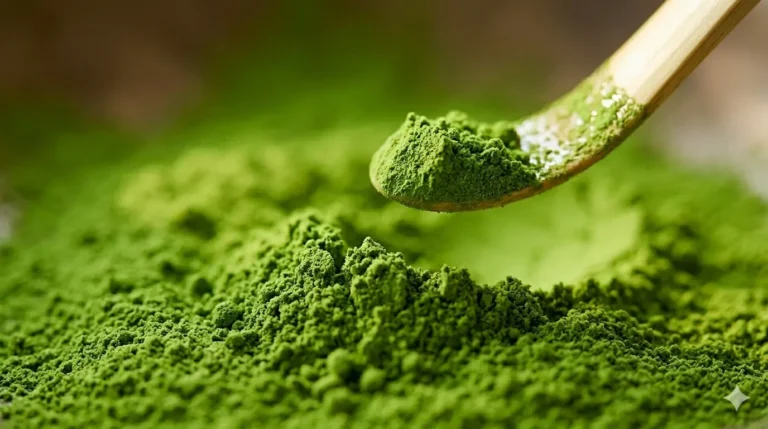
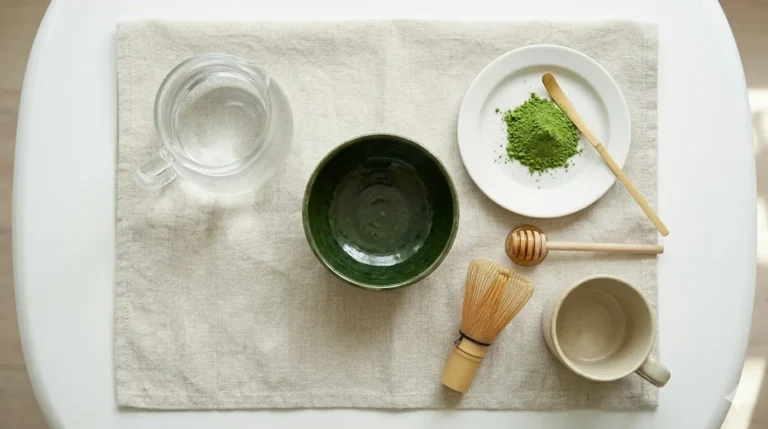
1 teaspoon (or 1 chashaku scoop) of ceremonial-grade or high-quality culinary-grade matcha powder
⅓ cup filtered water at around 175°F (80°C) — do not let it boil, as it will burn the powder
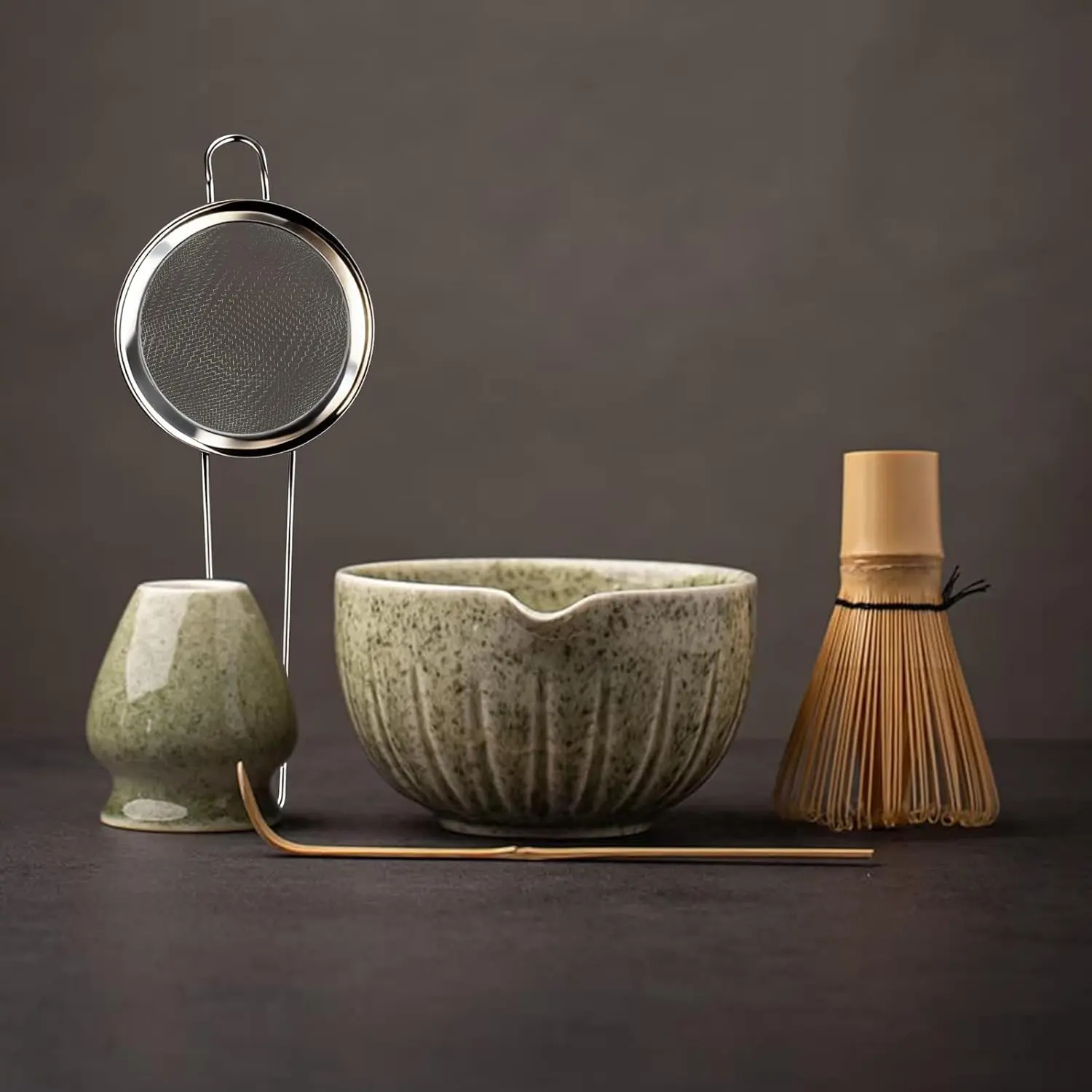
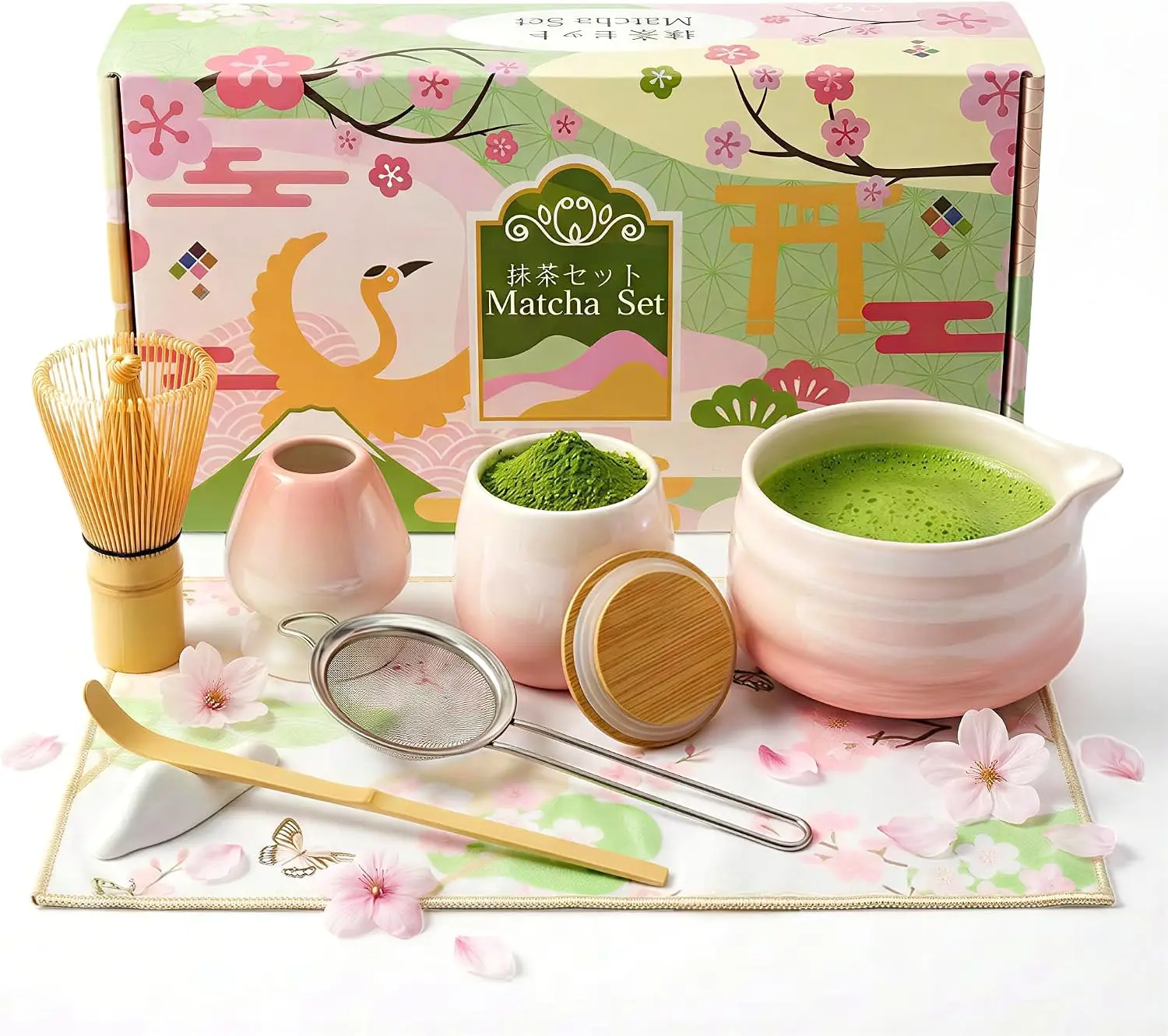
A bamboo whisk (chasen) or a handheld milk frother
Coconut or oat milk (optional, to turn it into a creamy Matcha Latte)
The Preparation Ritual
Sift the powder: Place the matcha into a bowl (chawan) through a fine-mesh sifter to break up any clumps and ensure a silky-smooth texture.
Hydrate: Add just a small splash of hot water and stir until a smooth, glossy paste forms.
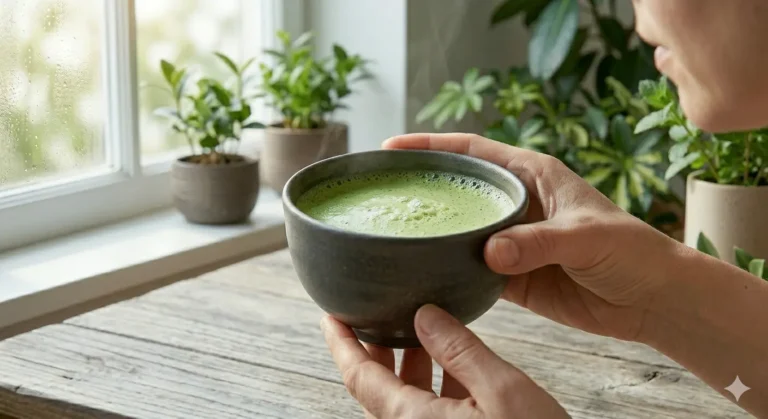
The whisk: Add the remaining water and use the bamboo whisk in quick “W” or “M” motions until a generous layer of vibrant green foam appears on the surface.
Finishing touch: Drink immediately from the bowl to experience the full velvety texture. If you prefer the latte version, add steamed plant-based milk at this point.
Sustained Energy: Rich in L-theanine, which promotes relaxation without drowsiness and energy without anxiety.
Super Antioxidant: Contains up to 137 times more catechins (EGCG) than regular green tea.
Natural Detox: Its high concentration of chlorophyll helps cleanse the body and strengthen the immune system.
Heads Up & Contraindications
Caffeine Sensitivity: Because it is concentrated, avoid consuming it after 4 p.m. to ensure a restful night’s sleep.
Product Quality: Look for matcha from a reliable source to avoid contamination from heavy metals that can be present in poor-quality soils.
Extended Fasting: In some sensitive individuals, pure matcha on an empty stomach may cause mild gastric discomfort.
Sources of Inspiration
The ancient Japanese tea ceremony (Chanoyu) and its foundations of harmony and respect.
Studies on the effects of the L-theanine and caffeine combination on cognitive performance.
Laboratory analyses on antioxidant density across different matcha grades.
Transparency Note: This blog values originality and technology. The illustrations in this article were developed with the assistance of artificial intelligence to ensure a unique visual identity that is free of copyright restrictions.
Welcome to our wellness corner! Here you will find light and practical content about natural health, teas and balance to live with more energy and serenity. 🌿✨