ℹ️ Note: This article contains affiliate links. As an Amazon Associate, I earn from qualifying purchases at no extra cost to you.
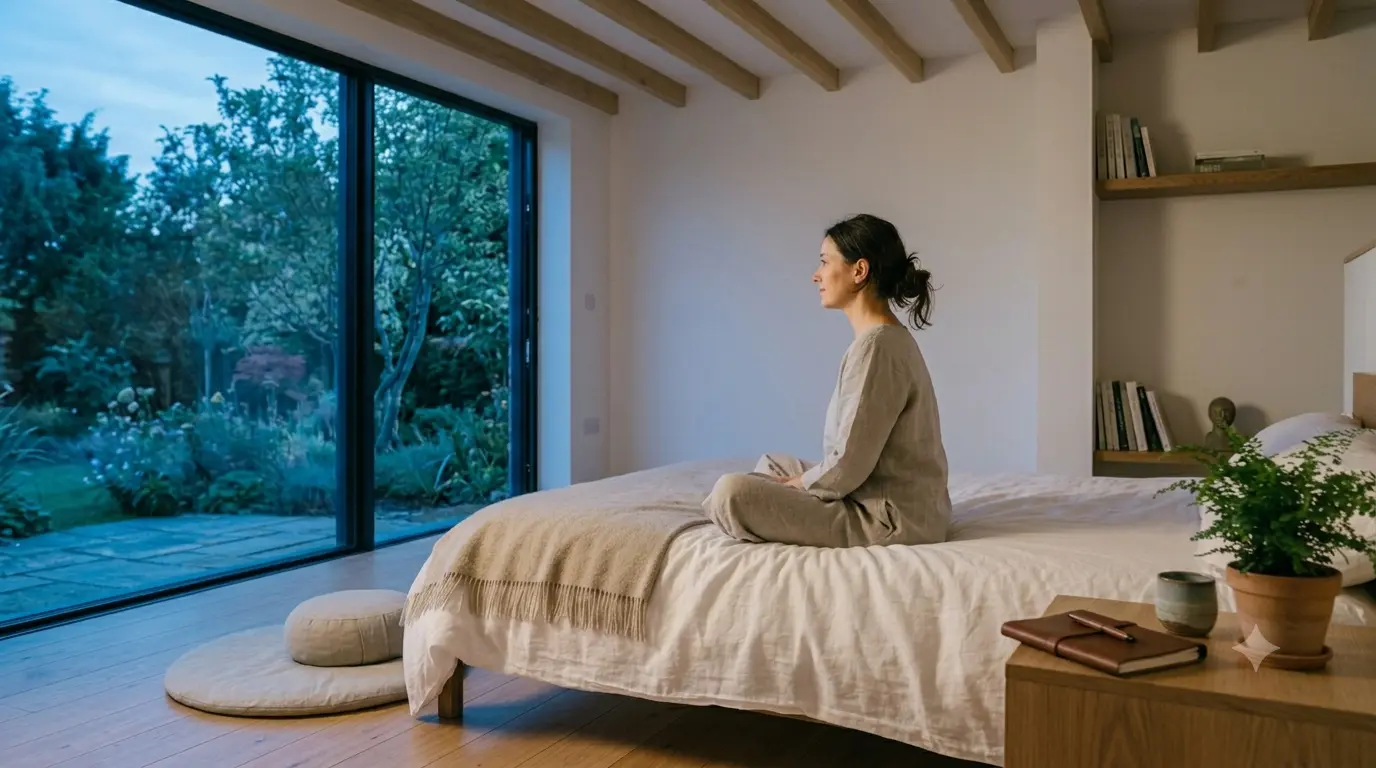
You spend the entire day longing for the moment you can rest your head on the pillow. But as soon as the lights go out, an invisible switch seems to flip in your brain. Within seconds, a flood of worries about the future, detailed replays of past mistakes, and a slightly elevated heart rate take the place of sleep. You glance at the clock, calculate the few hours left before the alarm goes off, and feel the frustration mounting. This nightly loop of exhaustion and an alert mind is the “whisper that throws your nervous system off balance” — a subtle yet profound sign that your mental health and your rest are locked in a silent battle.
The relationship between sleep and psychological well-being is not a one-way street. For decades, medicine treated insomnia as merely a secondary symptom of conditions like stress or deep sadness. Today, cutting-edge neuroscience reveals a far more impactful truth: the quality of your nights is one of the primary foundations of your emotional stability. Poor sleep is not just a consequence of a noisy mind — it is a factor that actively sabotages your emotional resilience the following day. This article will walk you through the biology of this connection and teach you practical rituals for disarming the mental alert and reclaiming the rest your mind so desperately needs.

The Nightly Labyrinth: Why Does Anxiety Keep Me Awake?
To break the cycle, we need to answer the classic question: why does anxiety keep me awake? The answer lies in the activation of our survival system. When you experience chronic anxiety, your brain interprets that there is imminent danger in the environment. Biologically, falling asleep in the face of a threat would be a fatal mistake. So the amygdala triggers the release of cortisol and adrenaline, keeping the body in a state of hyperarousal.
This mechanism generates what’s known as sleep-related anxiety. The bedroom — which should be a sanctuary of relaxation — becomes associated by the brain with stress, frustration, and wakefulness. Simply walking into the room can trigger a physical reaction: muscle tension and racing thoughts.
When this scenario extends over the long term, chronic deprivation of deep sleep begins to directly affect the processing of neurotransmitters like serotonin and dopamine, building a dangerous bridge between sleep disorders and depression. Without the deep sleep stages and REM sleep (where our emotional memories are cleansed and recalibrated), the brain loses its ability to filter out negativity, making the mind far more vulnerable to apathy and psychological exhaustion.

Silencing the Mind for Rest
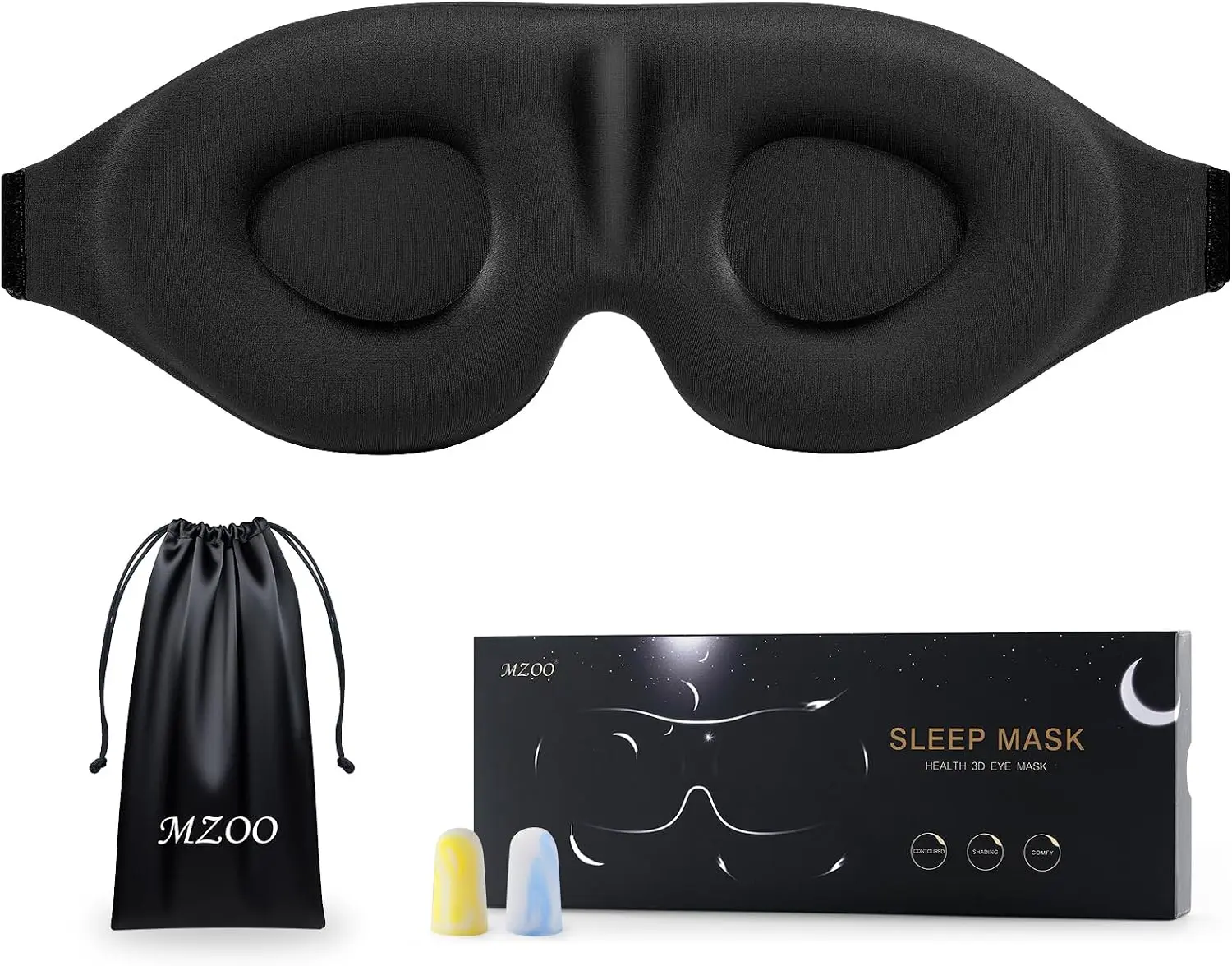
Breaking the cycle of psychological insomnia requires tools that work on both the physical body and cognitive patterns. Here are the foundational strategies for disarming the biological alert before bed:
- How to Stop Racing Thoughts at Night
Trying to “force” the mind to stop thinking only generates more anxiety. The secret is to give those thoughts a safe destination before your body lies down.
Practical Action (The Mental Dump): Two hours before bed, sit at a table with a physical notebook and a pen. Write down, without filters, absolutely everything that is generating worry or unfinished business for the next day. By transferring the mental stream onto paper, you signal to your neurobiology that this information is stored in a safe place — reducing the brain’s need to keep running through the to-do list in the middle of the night.
- The Transition Structure: The Best Bedtime Routine
The brain loves rituals and predictability. A transition routine primes the GABA receptors (the nervous system’s brake) to gradually induce relaxation.
Practical Action: Build your 60-minute wind-down ramp. Turn off the bright overhead lights and use only lamps with soft, warm bulbs. Take a warm shower to trigger a drop in core body temperature (a biological cue for sleep). Replace your phone with a light book — nothing work-related — or a diaphragmatic breathing exercise focused on long, slow exhales.
The Embrace That Leads to Silence
- The Deep Calm of Passionflower: Derived from the passionflower plant, passionflower modulates GABA receptors in the brain. It reduces repetitive, circular thinking and soothes the physical restlessness that nighttime anxiety triggers.
- The Grounding of Valerian Root: Widely recognized for its herbal properties, valerian helps shorten the time it takes to fall asleep and improves the stability of the deeper rest stages.
- The Comfort of Lemon Balm: Lemon balm tea relieves muscle tension caused by daily nervous strain, bringing a physical sense of lightness that makes it easier to surrender to sleep.
Conclusion: Protecting Your Night, Healing Your Mind
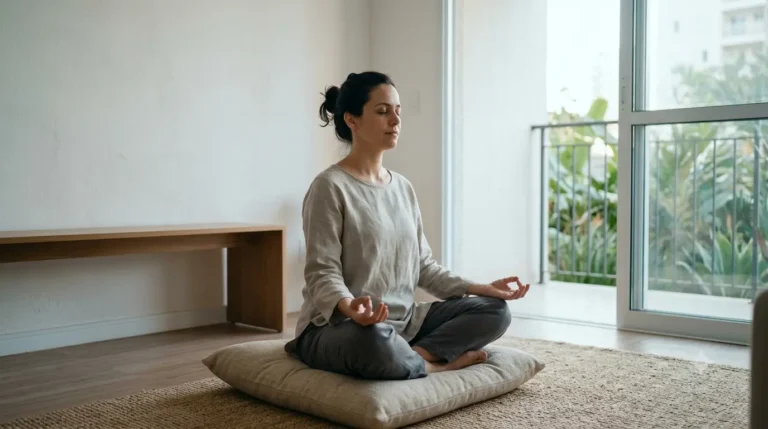
Taking care of your sleep is not just a matter of personal hygiene — it’s a non-negotiable pillar of preserving your mental health. When you apply the best bedtime routine, learn how to stop racing thoughts at night, and understand the mechanisms of your own anxiety, you give your brain back the power to regenerate. The healing of our emotions and the clarity of our days begin with how we honor the silence and the sanctuary of our nights. Allow yourself to disconnect from the outside world and trust in your body’s ability to rest.
Sources and Inspiration
- Baglioni, C., et al. (2011). “Insomnia as a predictor of depression: A meta-analysis of cohort studies.” Journal of Affective Disorders. (Robust clinical analysis demonstrating that chronic sleep disorders double the risk of developing depression.)
- Riemann, D., et al. (2010). “The hyperarousal model of insomnia: A review of the concept.” Sleep Medicine Reviews. (Foundational study detailing how sympathetic nervous system alertness and elevated cortisol generate sleep-related anxiety.)
- Harvey, A. G. (2002). “A cognitive model of insomnia.” Behaviour Research and Therapy. (Reference research on the impact of intrusive and circular nighttime thoughts and the effectiveness of mental dump techniques and cognitive relaxation.)
Continue Your Vitality Journey
- Why Are You Always Tired?https://thehealthliving.com/why-are-you-always-tired-the-truth-about-mental-fatigue-and-how-to-get-your-energy-back/
- Mental Detox:https://thehealthliving.com/mental-detox-how-to-reduce-anxiety-by-cutting-the-noise-without-disappearing-from-the-world/
Share With Us: Does your mind start racing the moment you turn off the lights? Which of these techniques — the mental dump or the wind-down ritual — will you try tonight? Write your experience in the comments below and let’s build more peaceful nights together!
Transparency Note: This blog values originality and technology. The illustrations in this article were developed with the assistance of artificial intelligence to ensure a unique visual identity that is free of copyright restrictions.
