ℹ️ Note: This article contains affiliate links. As an Amazon Associate, I earn from qualifying purchases at no extra cost to you.
The Invisible Echo of the Body
You lie down exhausted after a long day, but the moment your head hits the pillow, your mind races. Thoughts wage war over tomorrow’s unfinished tasks, your heart seems to beat a little harder, and a physical restlessness keeps rest at bay. During the day, this same feeling shows up as sudden irritability, constantly tensed shoulders, and a chronic inability to concentrate. We often blame our hectic schedules for this state. But this inability to switch off is the “invisible echo” reverberating through your system — a clear sign that your body has lost its way back to calm.
Modern life has trained us to operate in a state of perpetual readiness. We’ve been conditioned to believe that being constantly connected, responding to visual and auditory stimuli every minute, is the price of success. Yet your biology has not evolved at the same pace as technology. To your brain, receiving a stressful email notification triggers the same evolutionary alarm as a confrontation with a predator in the wild. This article won’t suggest you drop everything and live in isolation — it will teach you how to protect your physiology, managing stress through practical rituals that put control of your mind back in your hands.
The Biological Orchestra: The Nervous System and Cortisol
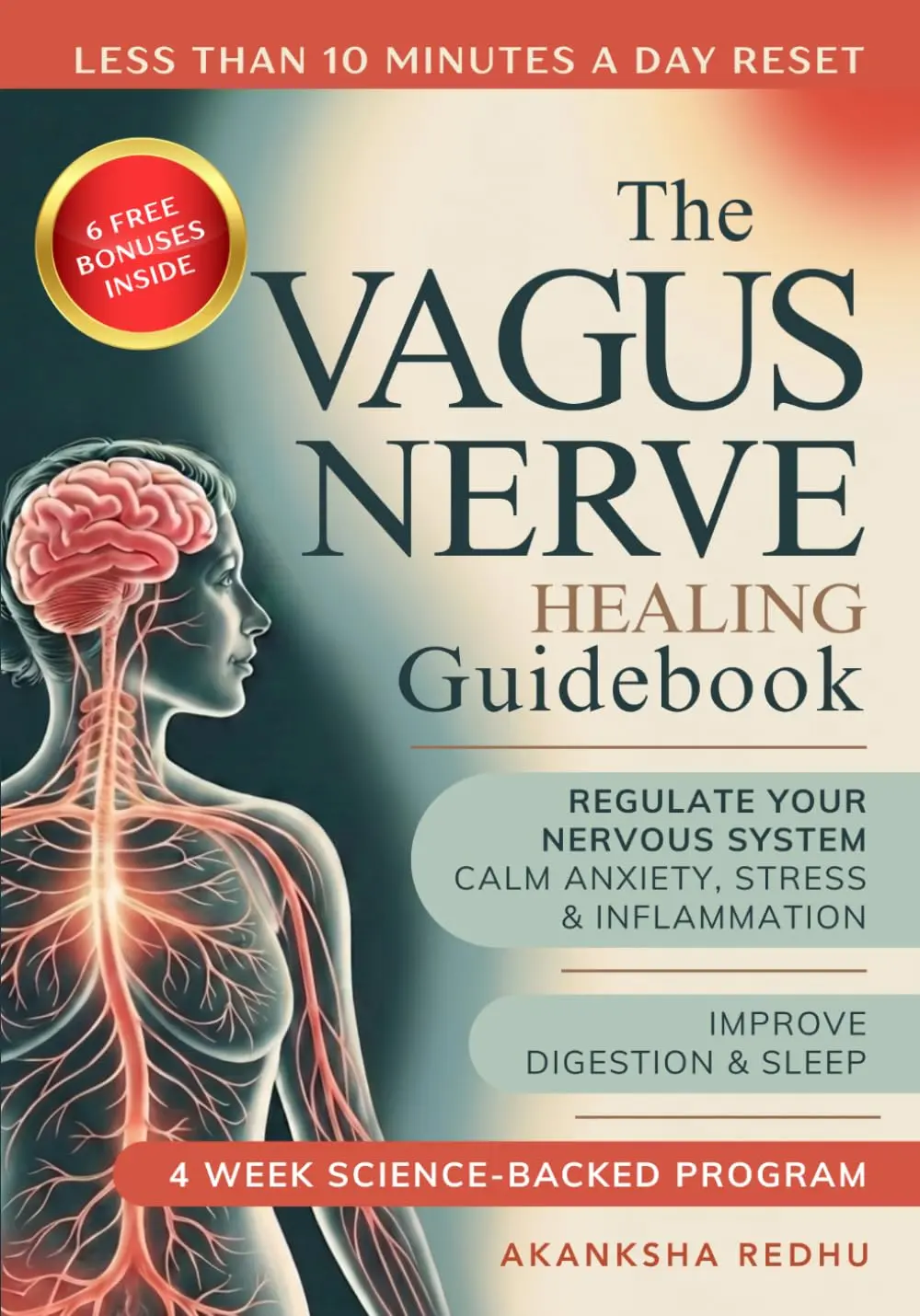

To modulate stress, we need to understand who runs this machinery: your nervous system. It is divided into two major branches that function like the body’s accelerator and brake. The Sympathetic Nervous System is the accelerator — it activates the “fight or flight” response, releasing adrenaline and raising cortisol to protect us from threats. The Parasympathetic Nervous System is the brake — responsible for inducing relaxation, efficient digestion, and tissue restoration.
The problem arises when the accelerator gets stuck. Chronic stress keeps cortisol levels dangerously high throughout the day. Reducing cortisol doesn’t happen through willpower alone; it requires mechanically signaling to the brain that the environment is safe. When cortisol remains elevated, it sabotages deep sleep, promotes fat accumulation in the abdominal region, damages gut health, and destabilizes mood. Changing this requires learning to consciously and biologically press the parasympathetic brake.
Tools for Mental Resilience
Disarming chronic stress means breaking the cycle of aggressive stimuli reaching your cells. Here are the foundational strategies for reconfiguring your biological response to daily stress:
- The Immediate Biological Brake: Breathing Exercises
The fastest, most accessible, and scientifically validated way to intervene in your nervous system in real time is through breathing. The heart and lungs share an intimate connection through the vagus nerve — the main pathway of the parasympathetic system.
When you’re stressed, your breathing becomes short, shallow, and chest-centered. By voluntarily changing your breathing rhythm — expanding the diaphragm and prolonging the exhale — you trick the brain, forcing it to slow the heart rate and reduce the secretion of stress hormones within minutes.
Practical Action: Practice the Box Breathing technique whenever you feel anxiety rising: exhale all the air, inhale through your nose for 4 seconds, hold the breath in your lungs for 4 seconds, exhale gently through your mouth for 4 seconds, and keep your lungs empty for another 4 seconds. Repeat the cycle for just 3 to 5 minutes to restore internal stability.
- Brain Recalibration: Presence-Based Meditation
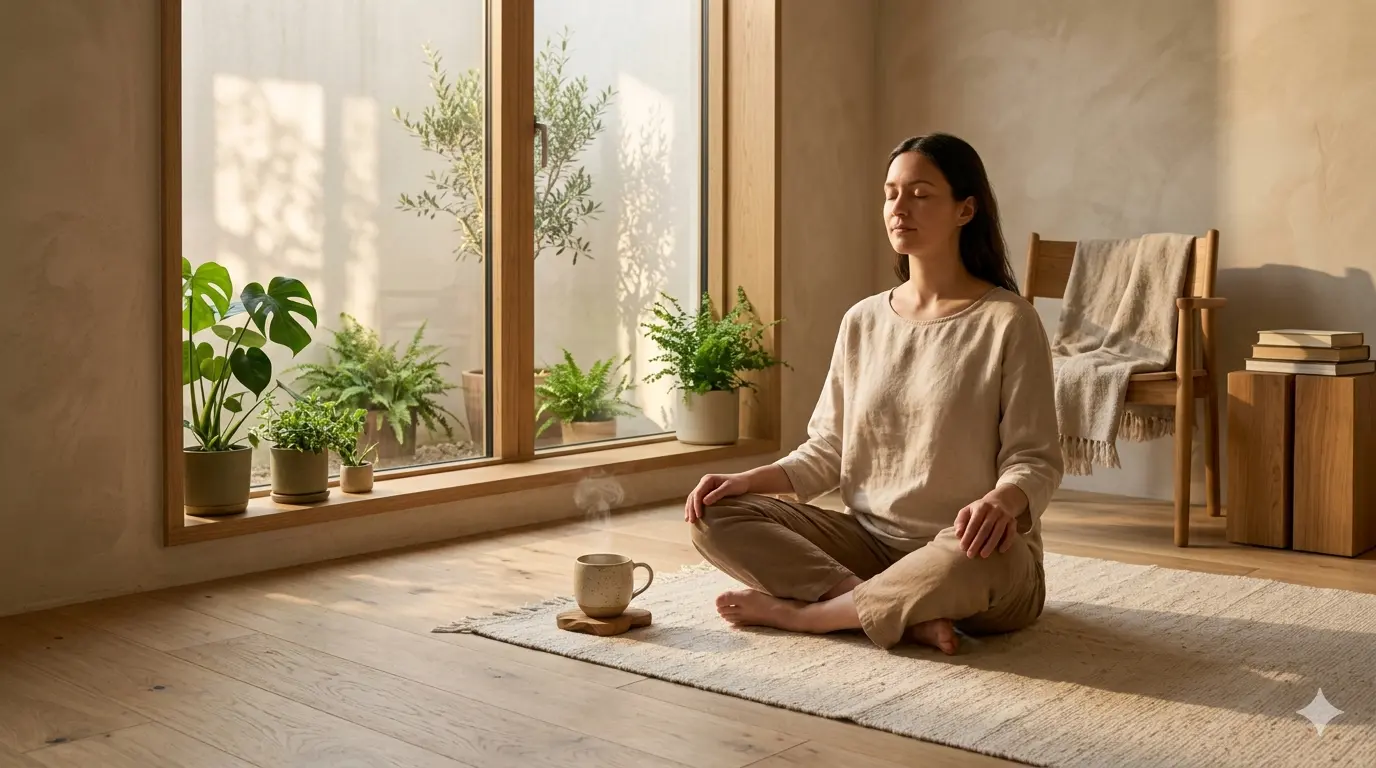
Many people give up on meditation because they believe the goal is to “empty the mind.” In reality, meditating is the act of training attention. It’s noticing when your mind has drifted to the past or the future and gently bringing it back to the only real moment: right now.
Regular meditation practice actually changes the gray matter structure of the brain. Neuroimaging studies show that it reduces the size and reactivity of the amygdala (the fear and stress center) and strengthens the prefrontal cortex — the area responsible for logical decision-making and emotional self-control.
Practical Action: Don’t start by trying to meditate for an hour. Set aside just 5 minutes after waking up or before bed. Sit comfortably, close your eyes, and focus exclusively on the sensation of air entering and leaving your nostrils. Whenever a thought arises, simply observe it passing like a cloud in the sky and return your focus to the breath.
- Attention Protection: The Digital Detox Protocol
One of the primary sources of elevated cortisol in modern society is the constant dopamine bombardment generated by social media and notifications. Living without technology isn’t realistic, but living enslaved to it drains your mental health.
Implementing small periods of digital detox throughout the day protects your attention circuits, reduces social comparison anxiety, and allows the nervous system to rest from continuous light and cognitive stimulation.
Practical Action: Set two non-negotiable rules in your daily routine: no screens for the first 30 minutes after waking up, and no screens for the last 60 minutes before bed. Use that time to read, stretch, or practice your tea ritual. Your brain will deeply appreciate the electronic silence.
Infusions for Calm and Adaptation
- The Adaptogenic Power of Ashwagandha: This ancient root acts directly on the regulation of the HPA axis (hypothalamic-pituitary-adrenal), helping the body adapt to physical and mental stress and promoting a natural, gradual reduction in serum cortisol levels.
- The Soothing Sweetness of Passionflower: Derived from the passionflower plant, passionflower extract raises GABA levels in the brain, softening excessive neural activity and acting as a perfect mental and physical relaxant for the late afternoon.
- The Serene Focus of Lemon Balm: Lemon balm tea combats the heart palpitations and physical restlessness triggered by daily stress, bringing a sense of warmth and clarity that helps you move through your routine with ease.

Conclusion: Peace as a Daily Choice
Managing stress doesn’t mean eliminating the problems of the outside world — it means changing how your body reacts to them. By mastering your nervous system through breathing exercises, digital detox periods, and the practice of presence, you stop being a leaf in the wind driven by circumstance and become the architect of your own stability. Start by protecting the beginning of your day, breathe with intention, and remember that calm is a biological skill cultivated through every small choice you make.

Sources and Inspiration
- Gerritsen, R. J., & Band, G. P. (2018). “Breath of Life: The Respiratory Vagal Stimulation Model of Contemplative Activity.” Frontiers in Human Neuroscience. (Clinical study demonstrating the immediate impact of slow breathing on vagus nerve activation and stress reduction.)
- Goleman, D., & Davidson, R. J. (2017). Altered Traits: Science Reveals How Meditation Changes Your Mind, Brain, and Body. Avery. (Compilation of neuroscientific research demonstrating the long-term structural effects of meditation in reducing amygdala reactivity.)
- Chandrasekhar, K., et al. (2012). “A prospective, randomized double-blind, placebo-controlled study of safety and efficacy of a high-concentration full-spectrum extract of ashwagandha root in reducing stress and anxiety in adults.” Indian Journal of Psychological Medicine. (Reference study on the adaptogenic role of ashwagandha in measurably reducing cortisol levels and improving stress resilience.)
Continue Your Vitality Journey
- Sleep Hygiene and Medicinal Herbs:https://thehealthliving.com/sleep-hygiene-and-medicinal-herbs-creating-a-bedtime-sanctuary/
- Neuroscience and Tea:https://thehealthliving.com/elementor-2890/
Share Your Experience: Which of these tools — breathing, meditation, or unplugging from screens — feels most urgent for your routine right now? Write in the comments below and let’s build a community of greater balance and true presence together!
Transparency Note: This blog values originality and technology. The illustrations in this article were developed with the assistance of artificial intelligence to ensure a unique visual identity that is free of copyright restrictions.
