ℹ️ Note: This article contains affiliate links. As an Amazon Associate, I earn from qualifying purchases at no extra cost to you.
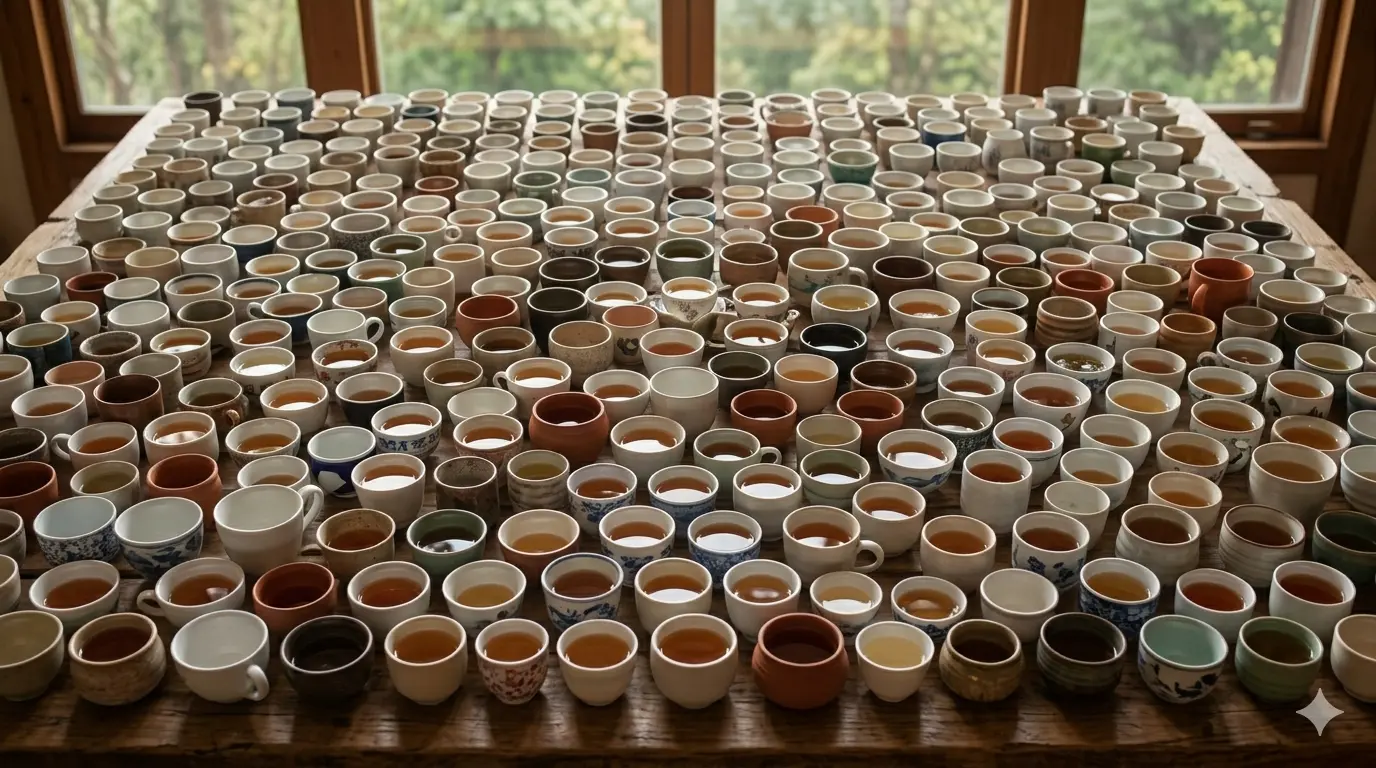
While you were reading this first paragraph, approximately one million cups of tea were served.
It may sound like a statistical exaggeration, but the silence that speaks volumes behind this drink is its overwhelming scale. We live on a planet that pulses to the rhythm of hot water poured over leaves. When we talk about billions of people, the numbers lose their abstract meaning and become living proof of an unprecedented biological and cultural connection. But what is the real number? And what does this massive volume of consumption tell us about our collective health?
The Magic Number: 7 Billion and Beyond
The most recent estimates from international organizations indicate that the world consumes around 3 billion cups of tea every single day.
To put that into perspective: if we stacked all those cups, we would reach the Moon in no time. That volume surpasses coffee by a ratio of nearly 3 to 1. Tea is not just a trend — it is humanity’s liquid infrastructure. From the vast rural expanses of China to the densely populated metropolises of India, the kettle is the appliance that never rests.
The Geography of Daily Consumption
Although the global number is staggering, the distribution is far from uniform. The “heartbeat” of tea consumption is concentrated in specific hubs:
- Asia as the Engine: China and India alone account for more than 50% of this daily volume. There, tea is not counted in “cups” but in constant infusions that accompany every meal and social interaction.
- The Middle Eastern Belt: In countries like Turkey and Iran, a single individual can easily consume 10 to 15 small glasses of tea per day, keeping both metabolism and socializing going strong.

What Happens to the Planet When We Drink This Much Tea?
Drinking 3 billion cups a day generates an impact that TheHealthyLiving monitors closely: sustainability.
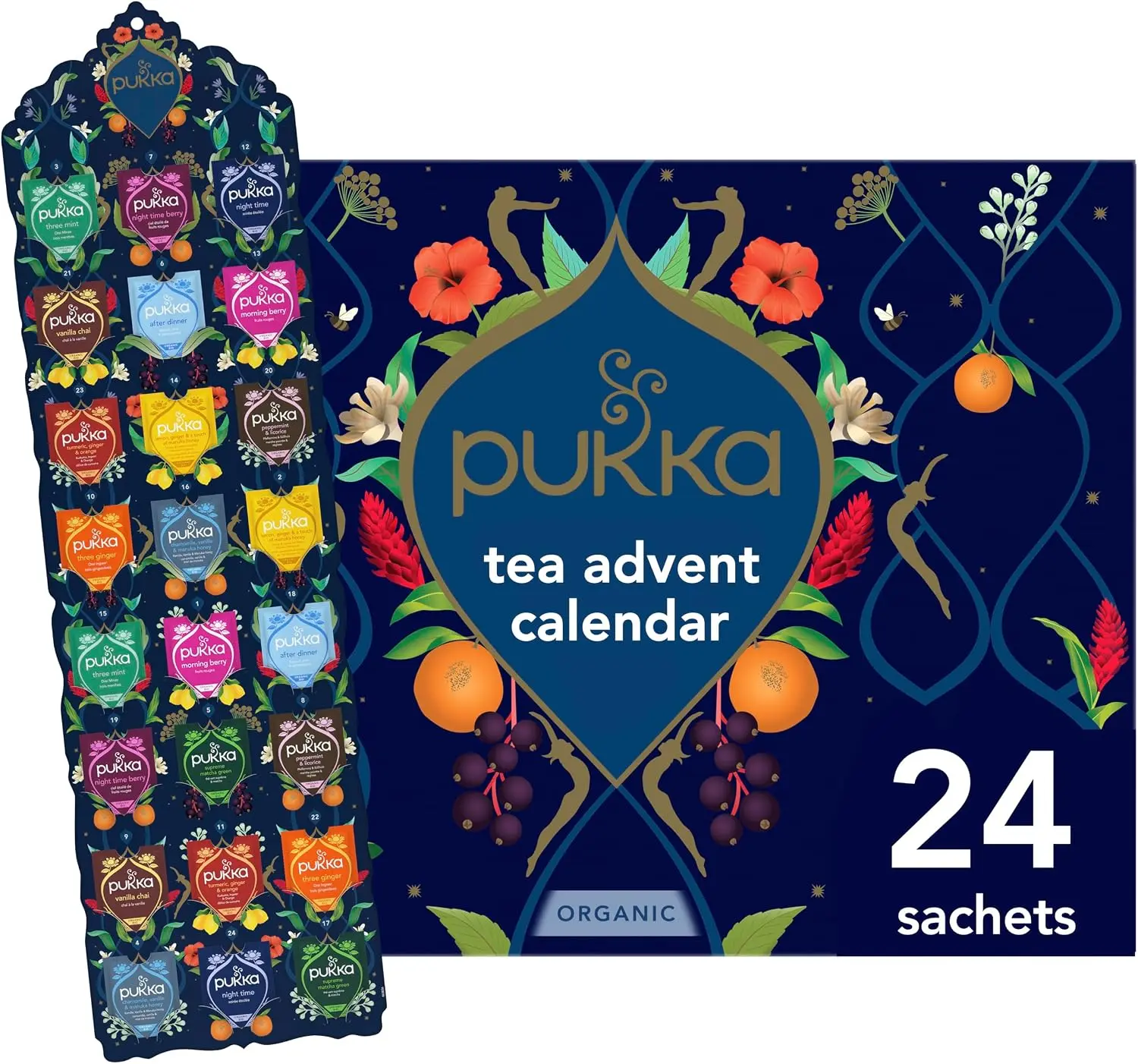
- Biodiversity: The colossal demand requires vast Camellia sinensis plantations, which boost the economies of developing countries but also call for mindful farming practices to avoid depleting the soil.
- Waste: The loose-leaf tea movement has been growing precisely to combat the billions of tea bags discarded daily, many of which contain microplastics.
The Impact on Your Body: The 3-Cup Ritual
Science suggests there is a “sweet spot” in daily consumption. For most people, drinking 3 to 4 cups per day delivers the greatest cardiovascular and cognitive benefits without exceeding caffeine limits.
Being One Among Billions
Taking part in this global consumption can be a form of collective meditation.
The Global Connection Ritual:
- Tune In: As you prepare your tea today, picture the millions of people making the same movement at the same time.
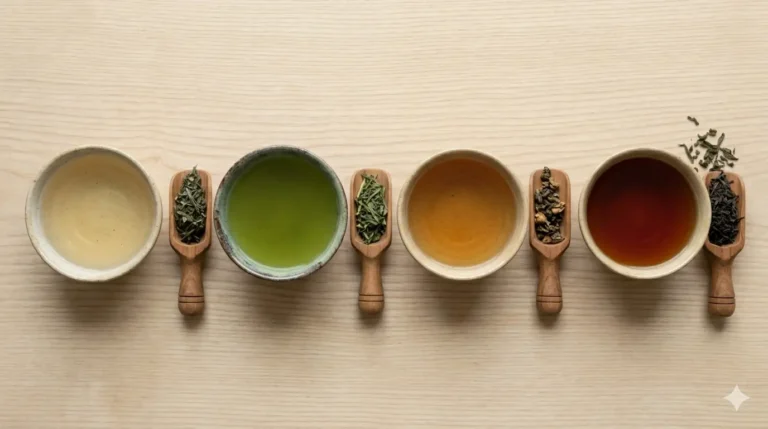
- Quality Over Quantity: In a world that drinks billions of cups, choose to make yours special. Use filtered water and respect the steeping time.
- Give Thanks: Tea has traveled thousands of miles and passed through many human hands to reach you. Honor that journey with every sip.

Conclusion and Next Steps
The numbers don’t lie: we are a species powered by tea. More than a statistic, the 3 billion daily cups represent 3 billion opportunities for human beings to stop, breathe, and take care of themselves.
Further Reading
- Who Discovered Tea?https://thehealthliving.com/who-discovered-tea-the-fascinating-journey-of-the-pioneers-who-revealed-the-secret-of-camellia-sinensis/
- Why Is Tea the Second Most Consumed Drink on the Planet?https://thehealthliving.com/why-is-tea-the-second-most-consumed-drink-on-the-planet/
Sources and Inspirations
- Statista Global Consumer Survey: Hot beverage consumption data 2025/2026.
- International Tea Committee (ITC): Annual Report on Global Tea Consumption.
- Journal of Nutrition & Food Sciences: Review of the systemic benefits of moderate and frequent tea consumption.
Did you contribute to that statistic today? Which tea kept you company? Share your daily cup count in the comments!
Transparency Note: This blog values originality and technology. The illustrations in this article were developed with the assistance of artificial intelligence to ensure a unique visual identity that is free of copyright restrictions.
