ℹ️ Note: This article contains affiliate links. As an Amazon Associate, I earn from qualifying purchases at no extra cost to you.
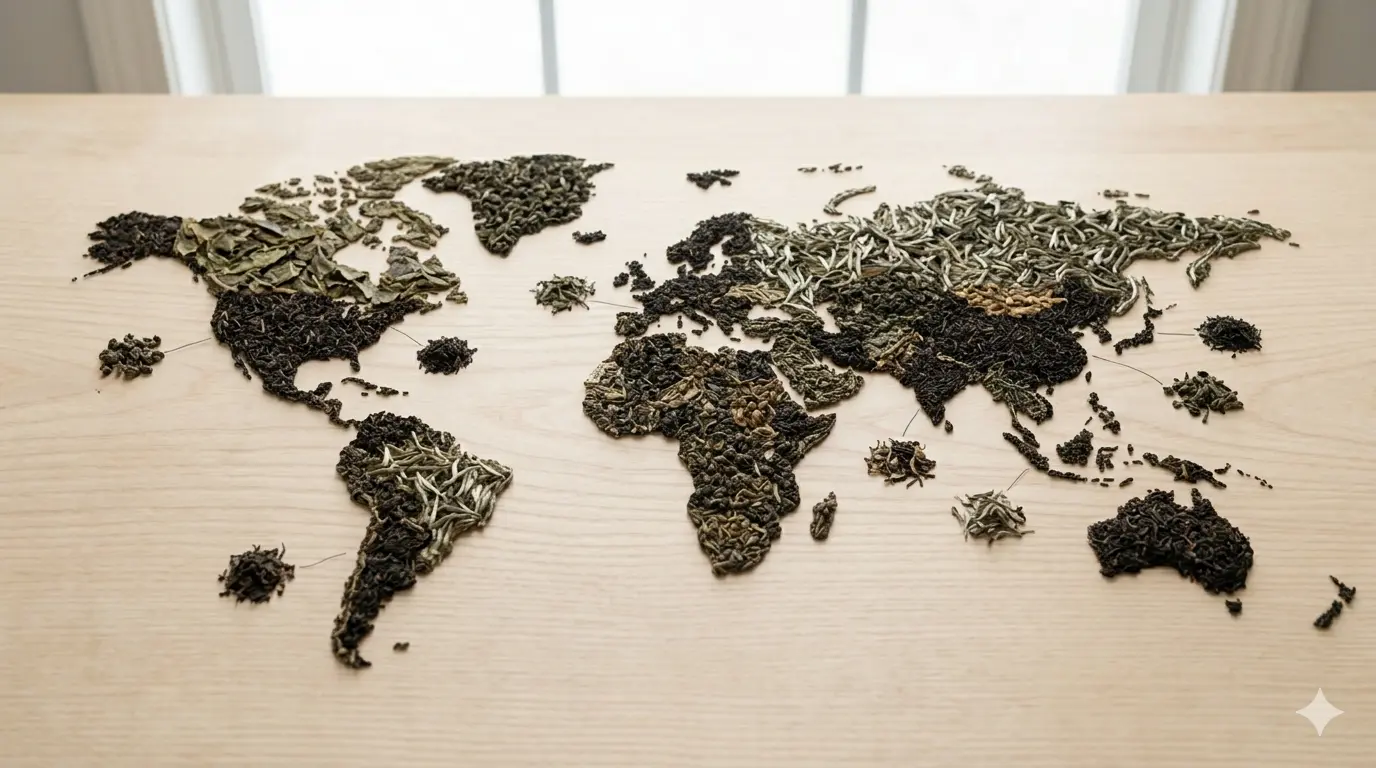
If I asked you to close your eyes and picture the country that consumes the most tea in the world, what would be your first guess?
Your mind probably traveled straight to the palaces of London or to the traditional tea houses of China. That is a logical assumption — after all, history and marketing have been selling us that image for decades. But here is the silence that speaks volumes: the actual data tells a completely different story.
The country that holds the crown for per capita consumption is neither an Asian superpower nor the land of King Charles. Get ready to discover that the cup of tea is the beating heart of nations you may have never associated with this ritual.
Debunking the United Kingdom Myth
Yes, the British love their tea with milk and biscuits, but in the global per capita consumption rankings, they have been steadily losing ground. While the United Kingdom consumes around 1.9 kg of tea per person per year, other countries have pushed that average to almost unbelievable levels.
For the leaders of this ranking, tea is not a “snack break” — it is a matter of cultural survival, sacred hospitality, and continuous hydration.
The Top 3 That Redefine the Tea Map
- Turkey: The Undisputed Giant
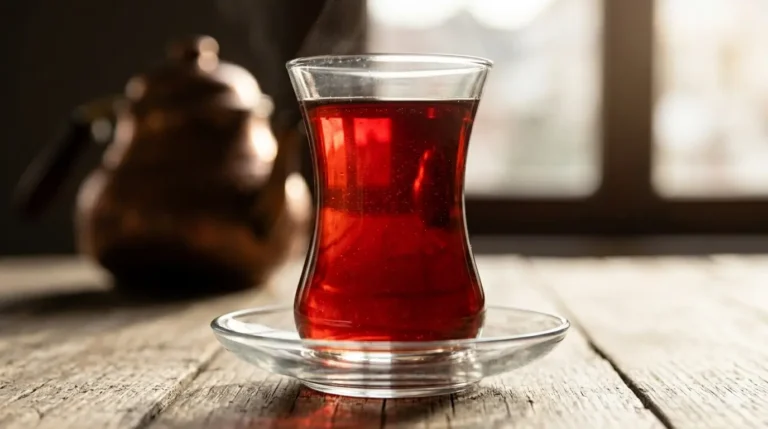
Turkey does not just lead — it dominates. Per capita consumption can exceed 3 kg per person per year. Walk through Istanbul and you will find Çay (black tea served in tulip-shaped glasses) on every corner, in every business negotiation, and at every family gathering. For a Turkish person, a day without tea is an incomplete day.
- Ireland: The Quiet Passion
Surprised? The Irish surpass their British neighbors. In Ireland, strong black tea — usually a Breakfast Tea — is the center of domestic life. It is the answer to any problem: “Put the kettle on.”
- Egypt and Morocco: The Power of Tea in the Desert
In Egypt, tea is the national drink. In Morocco, the ritual of green mint tea is a symbol of resilience and friendship. These countries prove that tea is the best ally against heat, naturally helping the body regulate its temperature.
Why Do These Countries Consume So Much?
The answer goes beyond taste. In these nations, tea fills roles that water or coffee simply cannot:
- Economic Accessibility: Tea is an affordable way to offer high-quality hospitality.
- Religion and Culture: In many majority-Muslim countries, tea replaces alcohol in social interactions, becoming the primary drink for celebrations and relaxation.
- Preventive Health: Ancestral knowledge about tea’s digestive and calming properties is passed down from generation to generation.
The Role of China and India: The Volume Giants
It is worth noting that, although China and India produce and consume the largest total quantities of tea on the planet, their massive populations mean that per capita consumption is lower than that of Turkey or Ireland. Nevertheless, the technical sophistication and variety of teas in these countries remain the gold standard for any enthusiast.
Traveling the World Without Leaving Home
You do not need a passport to experience the world through tea.
The Sensory Journey Ritual:
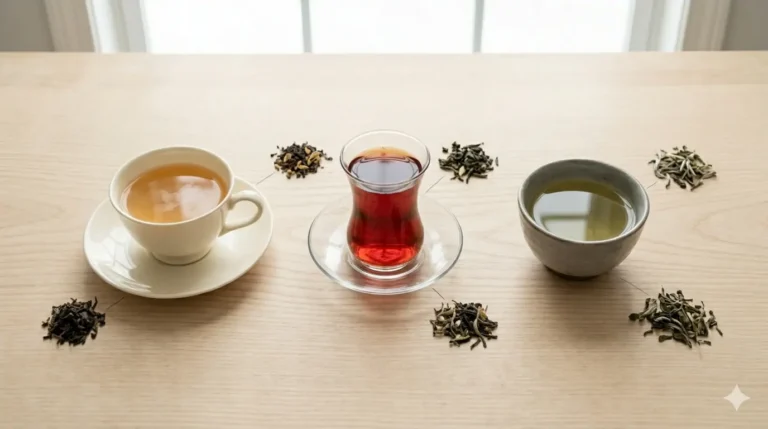
- Monday (Turkey): Brew a very strong black tea and serve it in a small glass, no milk, with just a touch of sugar.
- Wednesday (Morocco): Mix Gunpowder green tea with fresh mint leaves and feel the freshness of the desert.
- Friday (United Kingdom): An Earl Grey with a splash of milk to close the week with elegance.
Every cup is an opportunity to practice cultural empathy and mindfulness.

Conclusion and Next Steps
The tea ranking shows us that the world is far more connected than we imagine. From Istanbul to Dublin, Camellia sinensis is the thread that unites people in their pursuit of comfort and well-being.
Further Reading
- Who Discovered Tea?https://thehealthliving.com/who-discovered-tea-the-fascinating-journey-of-the-pioneers-who-revealed-the-secret-of-camellia-sinensis/
- The True Origin of Tea.https://thehealthliving.com/the-true-origin-of-tea-between-ancient-legends-and-the-revelations-of-modern-archaeology/
Sources and Inspirations
- International Tea Committee (ITC): Annual Bulletin of Statistics 2025/2026.
- Euromonitor International: Global hot beverage trend reports.
- World Bank Data: Correlations between tea consumption and cultural indicators in developing countries.
Which of these countries surprised you most in the ranking? Have you ever tried tea from any of these cultures? Share in the comments below!
Transparency Note: This blog values originality and technology. The illustrations in this article were developed with the assistance of artificial intelligence to ensure a unique visual identity that is free of copyright restrictions.
