
ℹ️ Note: This article contains affiliate links. As an Amazon Associate, I earn from qualifying purchases at no extra cost to you.
You decide to slow down your routine and brew a cup of tea to calm your mind. Accustomed to bold, intense flavors — like coffee or fruit infusions — you decide to try white tea for the first time. After your first sip, your initial reaction might be one of surprise: the flavor seems too subtle, almost like warm water with a faint floral hint. Disappointed, you might conclude that the tea is “weak” or not worth the investment. This initial perception is the “hidden warning sign” of how deeply our senses have been numbed by the overload of artificial stimuli and amplified flavors of the modern world — losing the capacity to appreciate the true sophistication of nature.
In the world of Camellia sinensis, white tea sits at the top of the pyramid of elegance and minimalism. It is not designed to shout at the palate, but to whisper. While other varieties undergo intense processes of roasting, rolling, or fermentation, white tea is the purest, most untouched expression of the leaf. Revered by masters and emperors as the most delicate category on the planet, its rarity and softness conceal a chemical complexity and an artisanal care that challenge our everyday rush. This article will guide you through the biology and the poetry behind white tea, revealing why every sip of this drink is a true gem of health and meditation.
The Anatomy of Rarity: The Silver Buds and the Imperial Harvest
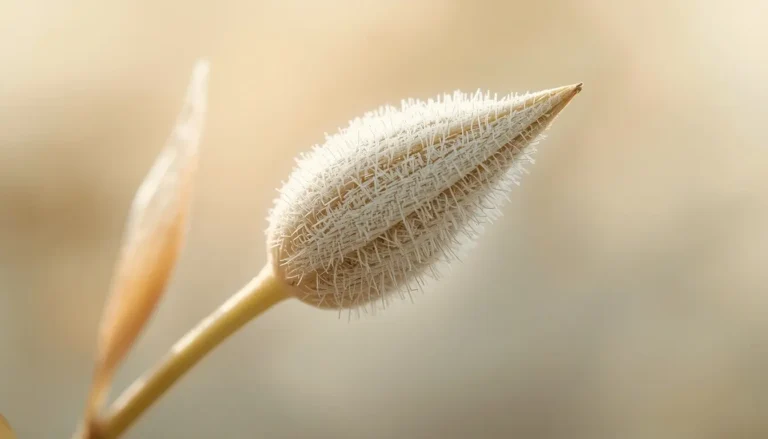
The first great secret behind white tea’s delicacy lies in the surgical selection of its raw material. The most prized varieties — such as the legendary Bai Hao Silver Needle — use no open leaves, only the plant’s primeval, closed buds, hand-harvested during just a few days at the very start of spring.
When the plant awakens from winter, it concentrates all of its energy, nutrients, and amino acids into these initial buds. To protect itself from the cold and from insects, the plant develops a fine coat of silky white hairs around the bud (called trichomes). It is this downy coat that gives the dried leaves their whitish, silvery appearance — and gives the tea its name. The harvest demands such precision that, historically in Imperial China, it was a sacred ritual: the pickers were forbidden from eating spicy foods so that the scent of their hands would not contaminate the subtle aroma of the buds.
The Art of Non-Processing: Preserving the Living Essence
While green tea is subjected to high-temperature steam or heated pans to lock in oxidation, and black tea is crushed to oxidize fully, white tea undergoes the simplest and, at the same time, the most demanding process in the world: non-processing.
- Withering and Drying: Immediately after the hand harvest, the buds and young leaves are gently spread on bamboo trays in rooms with controlled ventilation or under the soft spring sun. They are left to wither and dry naturally and slowly.
- The Biological Impact: Because the leaves are never rolled, broken, or exposed to sudden heat, their cell walls remain intact. This means oxidation occurs in a passive and extremely subtle way (less than 5% to 10%), only as the leaf loses moisture. This absence of mechanical intervention preserves the plant’s original compounds exactly as they came from the earth — making white tea the category with the least possible human interference.
The Chemical Signature: Why It Is the Elixir of Longevity and Focus
Due to its minimalist processing and the selection of buds rich in spring energy, white tea’s chemical profile offers extraordinary benefits for the body and the nervous system:
- Maximum Concentration of Catechins (EGCG)
Because white tea is never exposed to the aggressive heat that can degrade polyphenols, it preserves an exceptionally high density of epigallocatechin gallate (EGCG). This antioxidant is one of the most potent identified by science for neutralizing free radicals, protecting cells, supporting cardiovascular health, and combating premature skin aging.
- The Serene Alert: High L-Theanine Content
Many people mistakenly believe that, because it is so delicate, white tea contains no caffeine. In fact, the plant’s buds carry significant caffeine as a natural defense mechanism. However, white tea also concentrates very high levels of L-theanine — the amino acid of focused relaxation. L-theanine modulates caffeine absorption, promoting a state of mental clarity and sustained focus without the anxiety spikes or jitters associated with coffee.
Educating the Palate for Presence
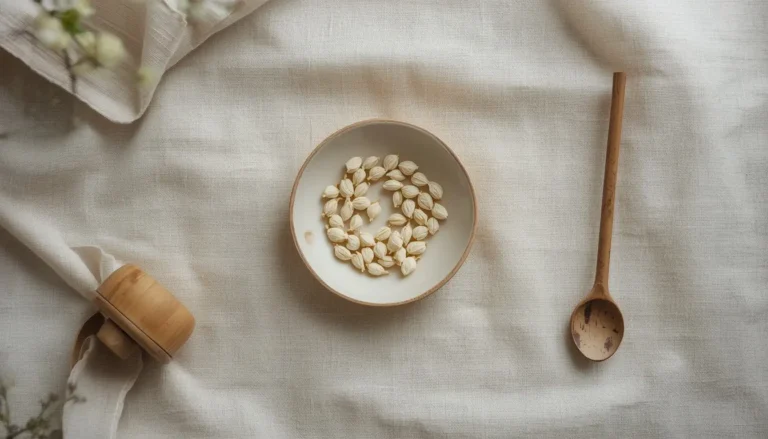
- Respecting the Temperature: Made from such delicate buds, white tea should never be prepared with boiling water, which would scorch its volatile compounds and introduce bitterness. The ideal temperature is between 158°F and 167°F (70°C–75°C), with a longer steeping time (4 to 5 minutes) to allow the closed bud to rehydrate and release its flavors.
- The Sensory Awakening: Drinking white tea is an exercise in mindfulness. It asks you to slow your thinking in order to perceive its tactile and aromatic nuances: notes reminiscent of fresh honey, sweet hay, white flowers, and a velvety finish at the back of the throat.
- Morning or Evening Anchor: By inducing a state of “calm alertness,” white tea is perfect both for tuning the mind in the early hours of the day and as a decompression ritual in the late afternoon, washing away accumulated stress.

Conclusion: The Beauty of Subtlety
White tea teaches us a valuable lesson that goes far beyond the cup: the deepest and most transformative experiences in life often make no noise. In a world that prizes excess, speed, and intensity, surrendering to the delicacy of white tea is an act of healthy rebellion. By educating your palate to perceive the subtle notes of the silver buds of Camellia sinensis, you train your mind to find contentment, presence, and well-being in the small details. Protect your moment, respect the temperature of the water, and savor the liquid poetry of the purest tea in the world.
Sources and Inspiration
- Heiss, M. L., & Heiss, R. J. (2007). The Story of Tea: A Cultural History and Drinking Guide. Ten Speed Press. (Historical and technical mapping detailing the harvesting of silver buds in Fujian and the natural withering process of white tea.)
- Dias, T. R., et al. (2013). “White tea (Camellia sinensis (L.)): Wood-derived production, chemical composition and health benefits.” Food Research International. (Robust scientific study comparing the antioxidant profile of white tea with other categories, highlighting the preservation of intact catechins.)
- Unachukwu, U. J., et al. (2010). “White and green teas (Camellia sinensis var. sinensis and var. assamica): Variation in total polyphenols and antioxidant capacity.” Journal of Food Science. (Laboratory research analyzing how the absence of mechanical processing protects the bioactive compounds and L-theanine in leaf buds.)
Continue Your Vitality Journey
- Why Is Tea the Second Most Consumed Drink on the Planet?https://thehealthliving.com/why-is-tea-the-second-most-consumed-drink-on-the-planet/
- The Countries That Consume the Most Tea (The Ranking Will Surprise You)https://thehealthliving.com/the-countries-that-consume-the-most-tea-the-ranking-will-surprise-you/
Open Yourself to the Subtle: Have you had the chance to try a true silver bud white tea, or do you tend to prefer bolder flavors in your daily routine? Leave your comment below sharing your experience and let’s tune our senses together to the power of presence!
Transparency Note: This blog values originality and technology. The illustrations in this article were developed with the assistance of artificial intelligence to ensure a unique visual identity that is free of copyright restrictions.
