ℹ️ Note: This article contains affiliate links. As an Amazon Associate, I earn from qualifying purchases at no extra cost to you.
What If Anxiety Wasn’t a Problem — But an Invisible Pattern?
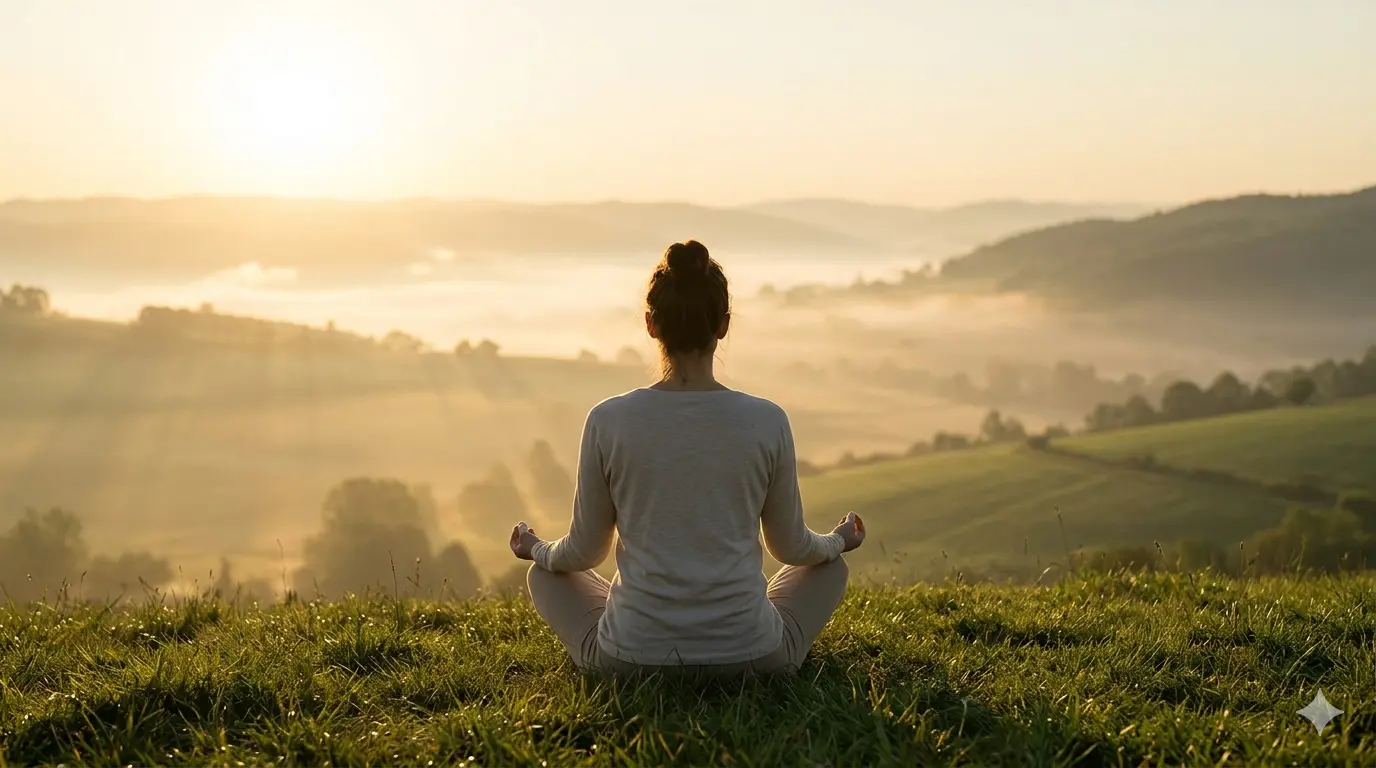
You don’t notice exactly when it starts. It’s not necessarily a screaming panic attack that freezes you in place. It’s more like a persistent background noise — a mental hum that never quite goes quiet. A tension in your shoulders that you only catch when you try, unsuccessfully, to unwind at the end of the day.
Do you feel like you never truly relax? Like you’re always bracing for the next thing to go wrong?
What if constant anxiety wasn’t an isolated problem to be “fixed,” but an invisible pattern you unknowingly learned to adopt as your default mode? Understanding that mechanism is the first step toward taking back control.
Functional Anxiety vs. Chronic Anxiety: What’s the Difference?
Not all anxiety is the same. The National Institute of Mental Health (NIMH) describes anxiety as a normal reaction to stress. But there’s a subtle and crucial difference between functional anxiety and chronic anxiety.
- Functional Anxiety: This is the situational kind. It pushes you to meet a deadline, keeps you sharp before a presentation, or makes you cautious in a risky situation. It has a clear endpoint — the event passes, and the anxiety fades with it.
- Chronic (or Constant) Anxiety: This is the alarm system that never shuts off. The body stays stuck in “fight-or-flight” mode even when there’s no real threat. It’s this persistent state that quietly erodes both our mental and physical health.
Why Anxiety Has Increased So Much (Data and Lifestyle)
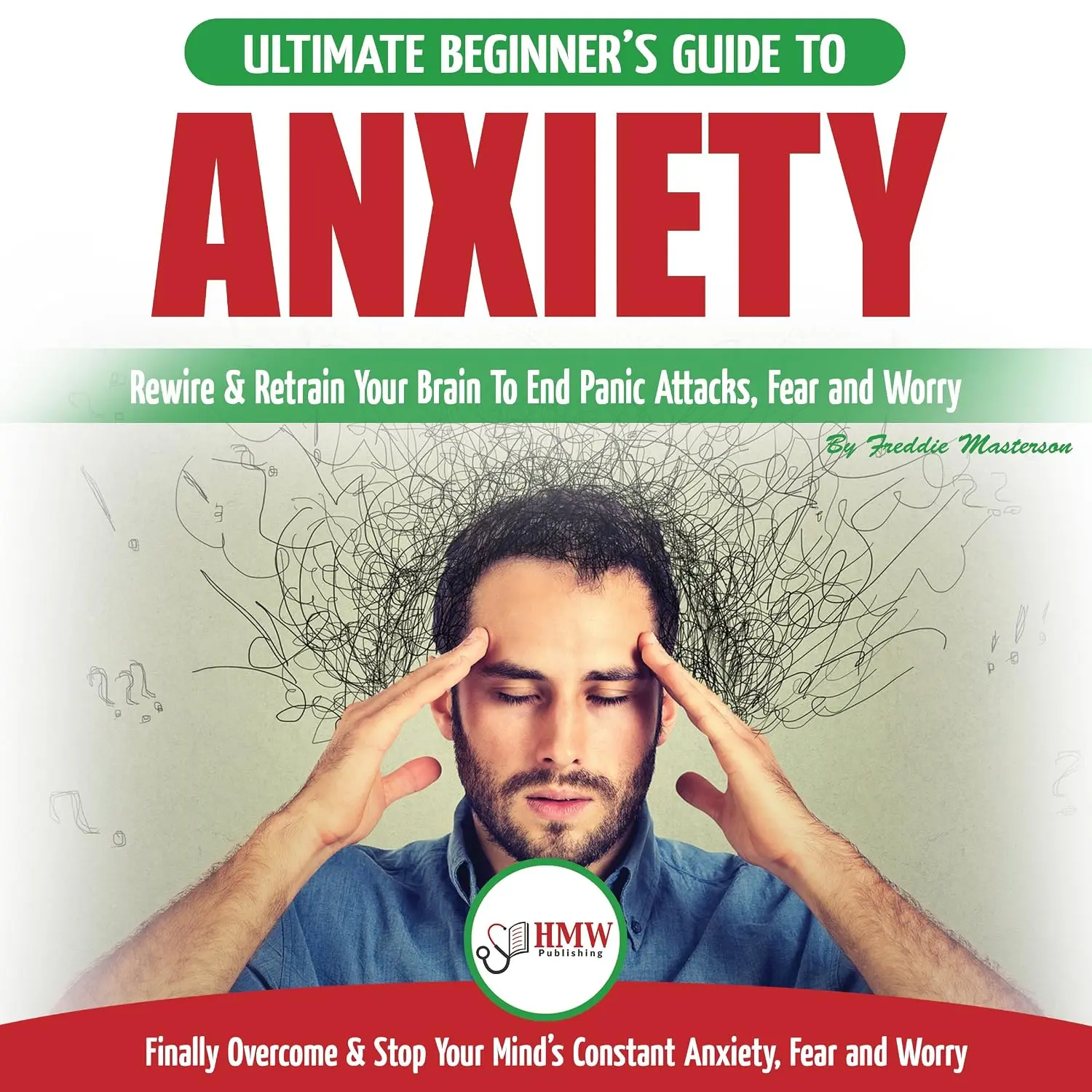
It’s not just a feeling — anxiety really is more present than ever. Data from organizations like the American Psychological Association show a significant rise in reported stress and anxiety levels in the U.S. in recent years. But why is this happening? The answer lies largely in our modern lifestyle.
The Overload of Digital Stimuli Our brains were never designed to process the massive volume of information we consume every day. We’re constantly bombarded by notifications, breaking news, and the seemingly perfect lives on display across social media. This digital “state of alert” keeps our nervous system under continuous tension, feeding constant anxiety.
The Productivity Culture Today’s society glorifies the grind. There’s an invisible pressure to always be busy, always producing, always “leveling up.” That internal demand to never fall behind creates a latent fear of failure — of not being “enough” — and that fear becomes fertile ground for anxiety to take root.
Micro-Habits That Break the Cycle in 5 Minutes
Psychiatrist Judson Brewer, a leading expert on habits and anxiety, suggests we can rewire our patterns to break these cycles. The good news is that you don’t need sweeping life changes to get started. Small actions can lead to big results.
The 4-4-6 Breathing Technique Breathing is the fastest tool we have for accessing the nervous system and sending a calm signal. Try this simple exercise:
- Inhale through your nose for a count of 4.
- Hold your breath for a count of 4.
- Exhale slowly through your mouth for a count of 6.
Repeat for 5 minutes. That extended exhale activates the parasympathetic nervous system — the one responsible for rest and relaxation.

The Calming
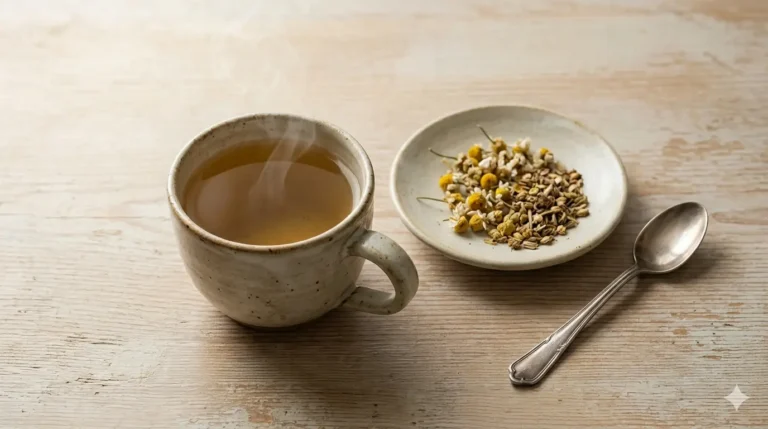
More than just a drink, the ritual of preparing and drinking tea can be a powerful anxiety interrupter. The process forces you to slow down: boiling the water, waiting for the steep, breathing in the aroma.
- Recommended Teas: Chamomile, Passionflower, or Valerian Root — all well known for their calming properties.
Conclusion and Next Steps
Constant anxiety can feel like a life sentence — but it isn’t. When you understand that it’s often a learned pattern, one shaped and reinforced by your environment and habits, you gain the power to change it. Start today with just one of these 5-minute micro-habits. Today’s small win lays the groundwork for tomorrow’s calm.
Further Reading
Chamomile Teahttps://thehealthliving.com/chamomile-tea-the-embrace-you-need-for-a-truly-restful-sleep/
Why Are You Always Tired?https://thehealthliving.com/why-are-you-always-tired-the-truth-about-mental-fatigue-and-how-to-get-your-energy-back/
Sources and Inspiration
- Judson Brewer — His research on neuroscience and habits, including the book The Craving Mind and the program Unwinding Anxiety, were key foundations for understanding anxiety as a learned cycle.
- National Institute of Mental Health (NIMH) — Data and definitions on Anxiety Disorders drawn from official NIMH publications for technical accuracy.
- Harvard Health Publishing — Articles on the physical effects of anxiety and breathing and relaxation techniques used to support the practical tips.
Do you recognize that “mental hum” in yourself? Which of these micro-habits will you try first? Share in the comments below — let’s talk about breaking this cycle together!
Transparency Note: This blog values originality and technology. The illustrations in this article were developed with the assistance of artificial intelligence to ensure a unique visual identity that is free of copyright restrictions.
