ℹ️ Note: This article contains affiliate links. As an Amazon Associate, I earn from qualifying purchases at no extra cost to you.
Have you ever had days when your body feels heavy — holding on not just to water, but to the weariness of your daily routine? A feeling of bloating and stagnation where “the silence that speaks volumes” is calling out for an internal reset, something that helps things flow and cleanses the system. Hibiscus Tea is the perfect elixir for that moment.
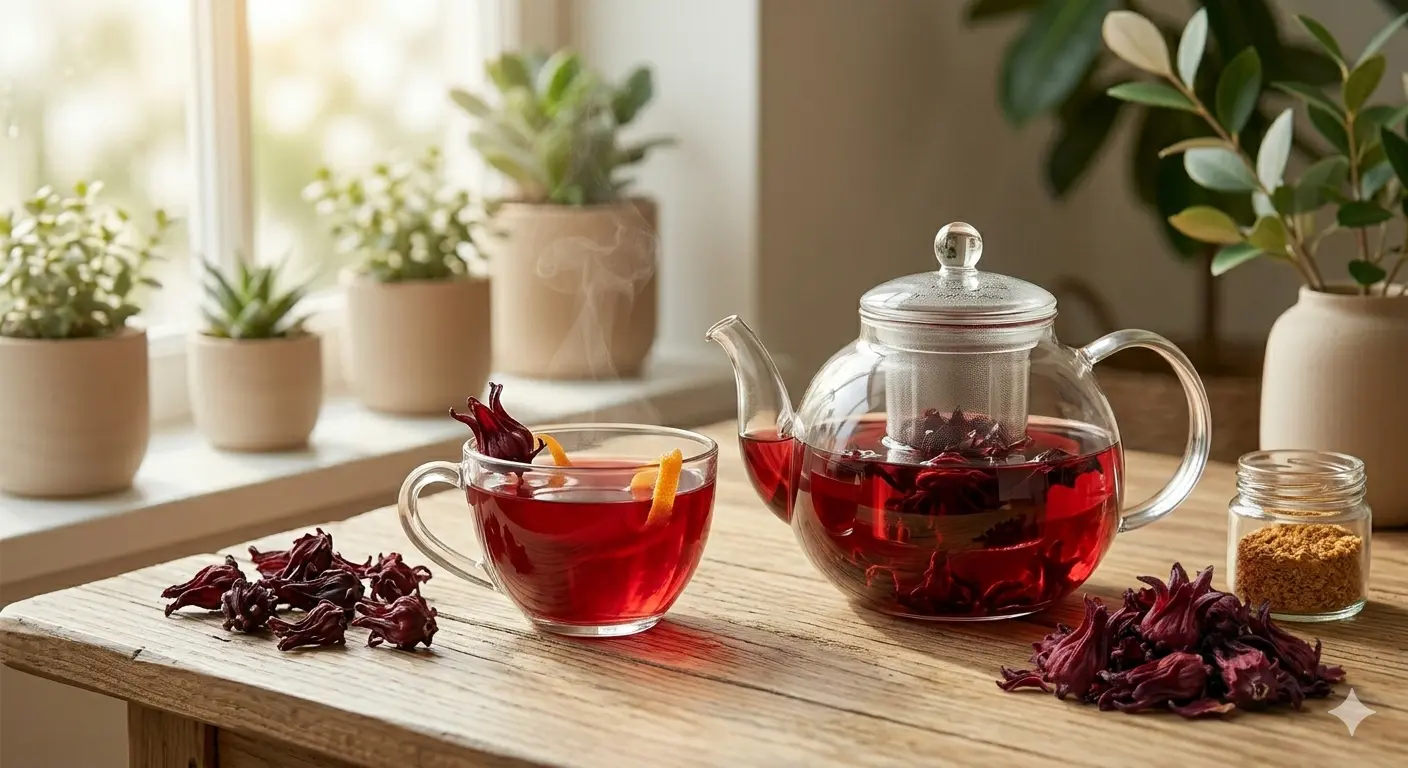
With its unmistakable ruby color and slightly tart flavor, this tea is far more than just a beautiful drink. It is a powerful ally in purifying the body, helping to flush out toxins and fight premature aging from the inside out.
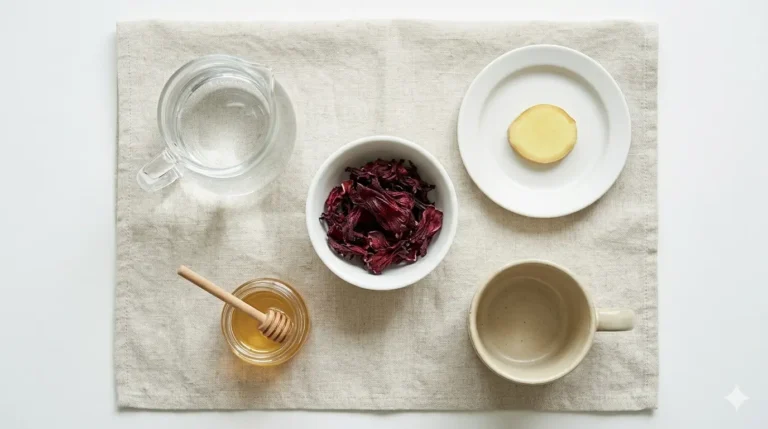
Heat the water: Bring the water to heat and turn it off as soon as the first bubbles begin to rise. Do not let it reach a full boil.
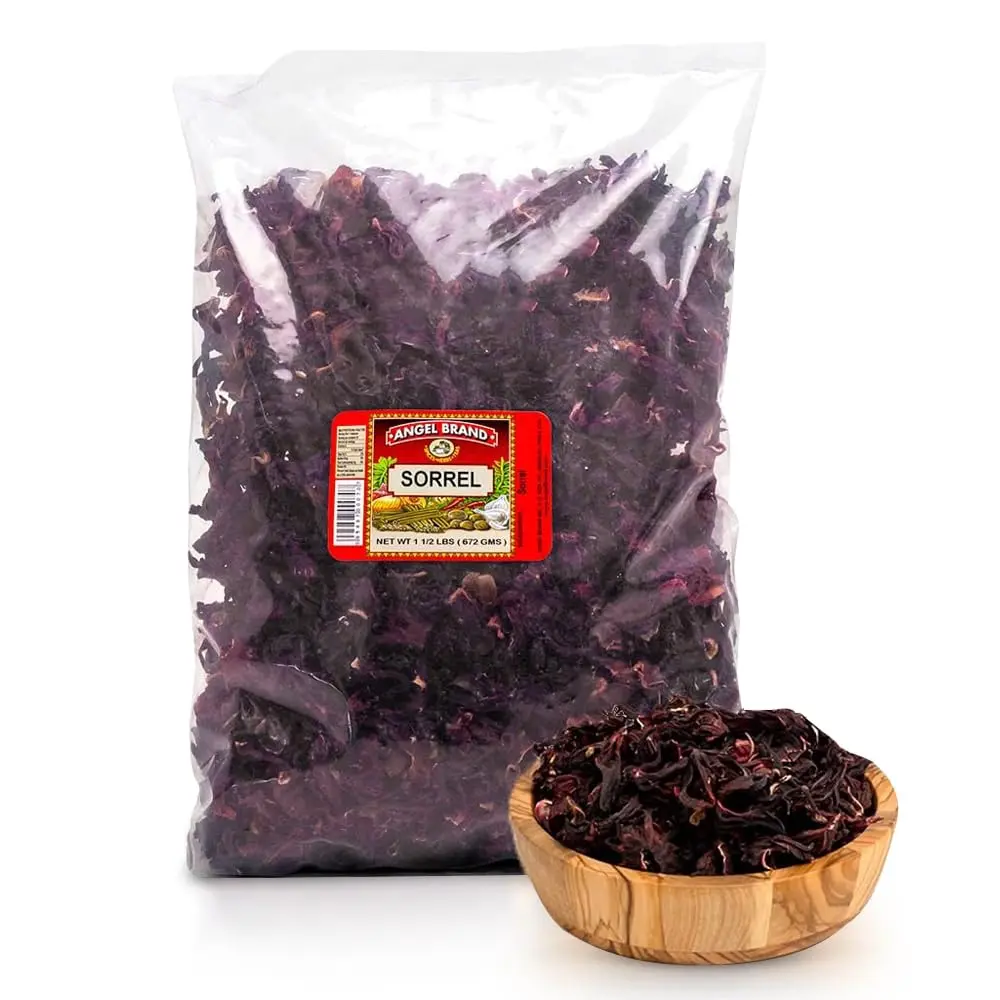
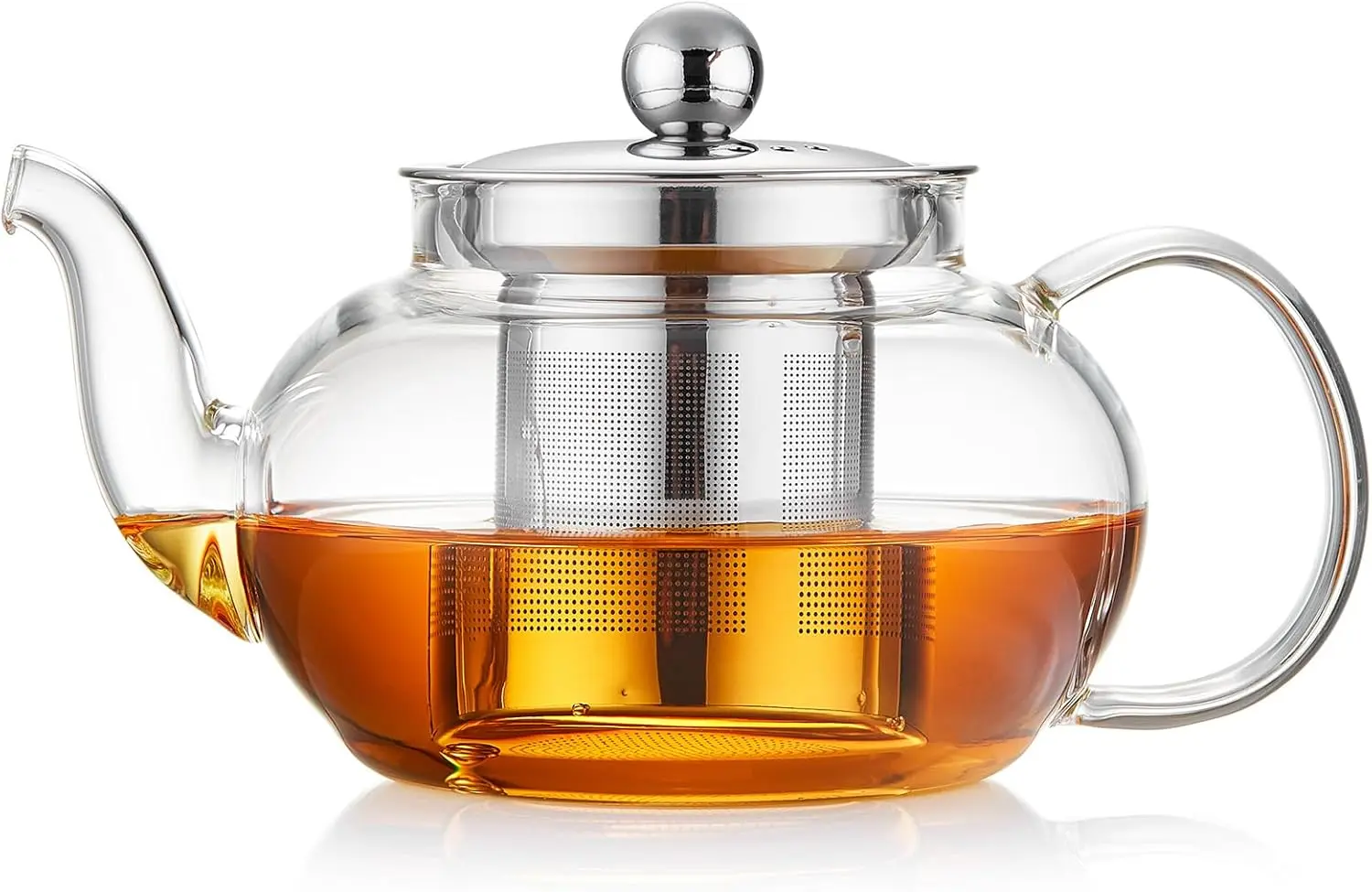
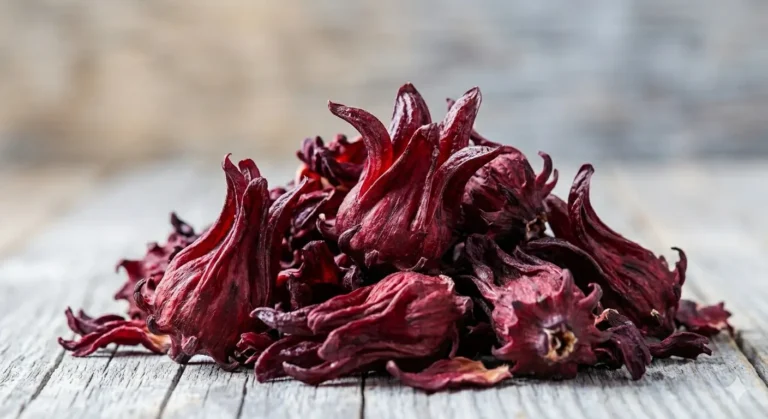
The infusion: Place the dried hibiscus flowers and, if using, the ginger or orange peel in a teapot or cup. Pour the hot water over them.
Cover and steep: Place a lid over the cup or teapot and steep for 5 to 10 minutes. A longer steep time draws out more of the vibrant color and tangy flavor.
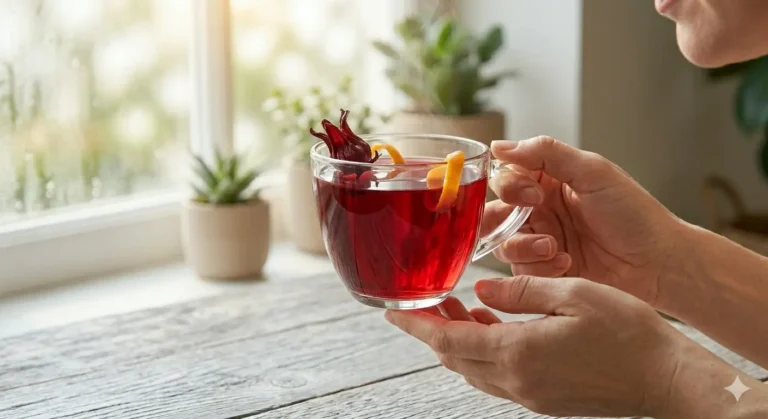
Finishing touch: Strain the tea and add honey or your preferred sweetener if desired. Stir gently and serve hot or iced — it is absolutely delicious over ice with a squeeze of lemon!
Why Is It Good for You?
Powerful Diuretic Action: Helps reduce water retention and bloating.
Rich in Antioxidants: Especially anthocyanins, which fight free radicals and protect cells.
Cardiovascular Health: Some studies suggest hibiscus may help with mild blood pressure management.
Heads Up & Contraindications
Low Blood Pressure (Hypotension): Since it may lower blood pressure, people with hypotension should consume it in moderation.
Pregnancy and Breastfeeding: Should be avoided, as some sources point to potential risks — always consult your doctor.
Hormonal Effects: Excessive consumption may interfere with estrogen levels; women trying to conceive should moderate their intake.
Sources of Inspiration
Studies on the diuretic and antioxidant properties of Hibiscus sabdariffa.
Herbal use traditions for detoxification and vitality.
Nutrition guide for blood pressure management and bloating reduction.
Transparency Note: This blog values originality and technology. The illustrations in this article were developed with the assistance of artificial intelligence to ensure a unique visual identity that is free of copyright restrictions.
Welcome to our wellness corner! Here you will find light and practical content about natural health, teas and balance to live with more energy and serenity. 🌿✨