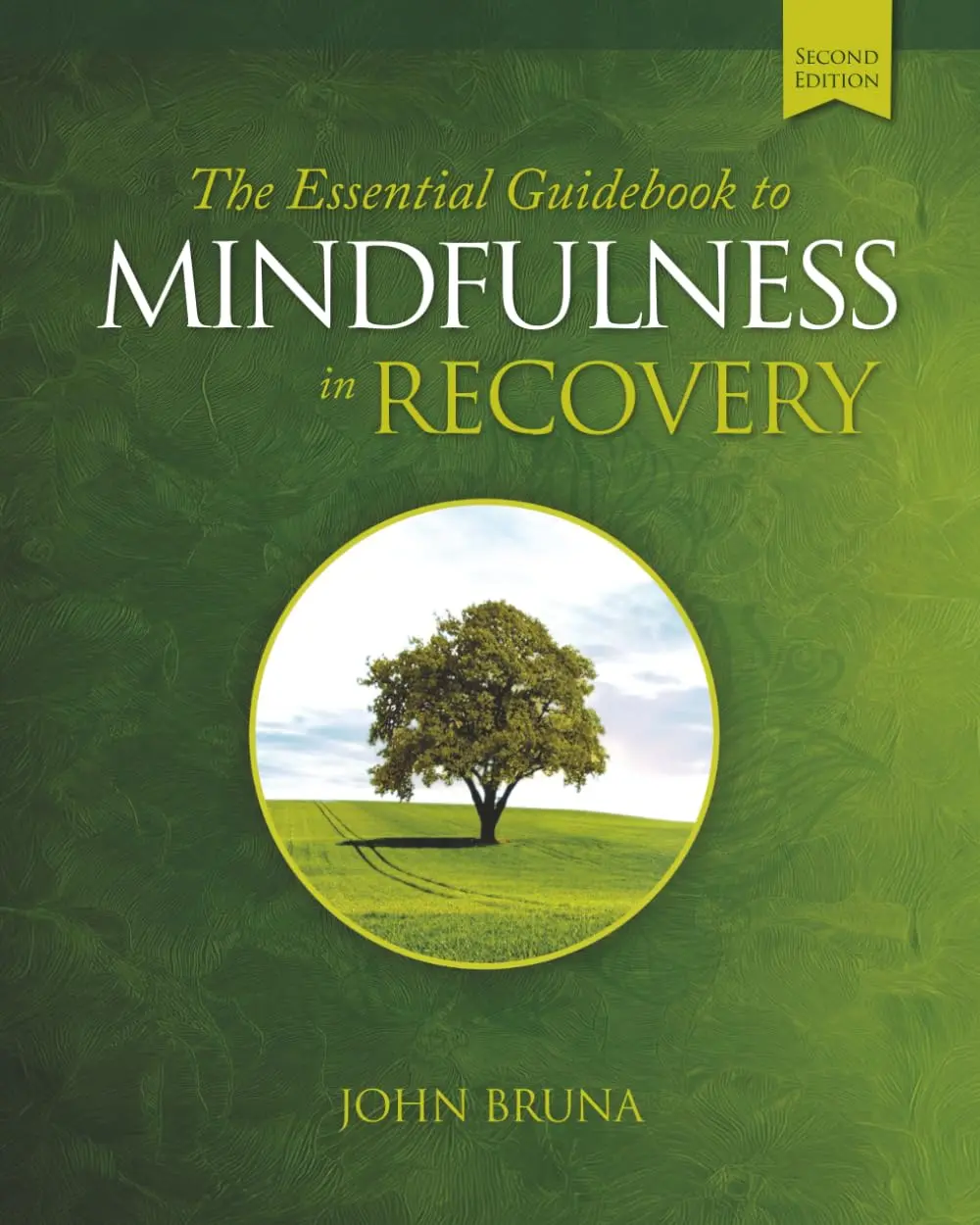
ℹ️ Note: This article contains affiliate links. As an Amazon Associate, I earn from qualifying purchases at no extra cost to you.
You’re in the middle of an ordinary task when, suddenly, a wave of worry about the future or a lingering resentment about something that happened yesterday floods your mind. Within minutes, this mental distraction becomes a physical response: your breathing shortens, your jaw tightens, and a sense of pressure builds in your chest. So often we operate on such autopilot that we only notice the impact of these emotions once we’re already depleted or snapping at the people around us. This disconnection between the mind and the present moment is the “silent conversation of the cells” — your body reacting physically to abstract thoughts as if they were real and immediate dangers.
The truth is that we’ve been trained to react to every stimulus, thought, or emotion instantly. When we feel anxiety, we try to run from it; when we feel frustration, we feed it. This habit of fighting against what we feel creates a state of continuous emotional wear. Yet modern neuroscience shows that you don’t have to be held hostage by your stream of thoughts. This article will guide you through the practice of mindfulness and teach you to use your own biology to interrupt automatic reactions, reclaim mental stability, and live with greater ease.

The Biological Anchor: Nervous System Regulation and Presence
To understand the power of mindfulness, we need to look at nervous system regulation. When we’re exposed to stress or anxious thoughts, our sympathetic nervous system activates the survival response. The heart rate increases and the mind shifts into defense mode. Mindfulness — or present-moment awareness — functions as a biological brake for this state of alertness.
By intentionally bringing your attention to the present moment without judgment, you activate the parasympathetic nervous system through the vagus nerve. This activation signals to the brain that the current environment is safe, reducing the production of cortisol and adrenaline. Regulating the nervous system doesn’t mean numbing your emotions — it means building a space of inner calm so you can choose how to respond to challenges, rather than simply reacting to them on autopilot.

Practices to Awaken Mindful Awareness
Bringing mindfulness into your daily life doesn’t require hours of isolation. It’s about creating small anchors of awareness and biological rituals throughout your routine. Here are the essential tools to get started:
- The Beginner’s Guide: Meditation for Beginners
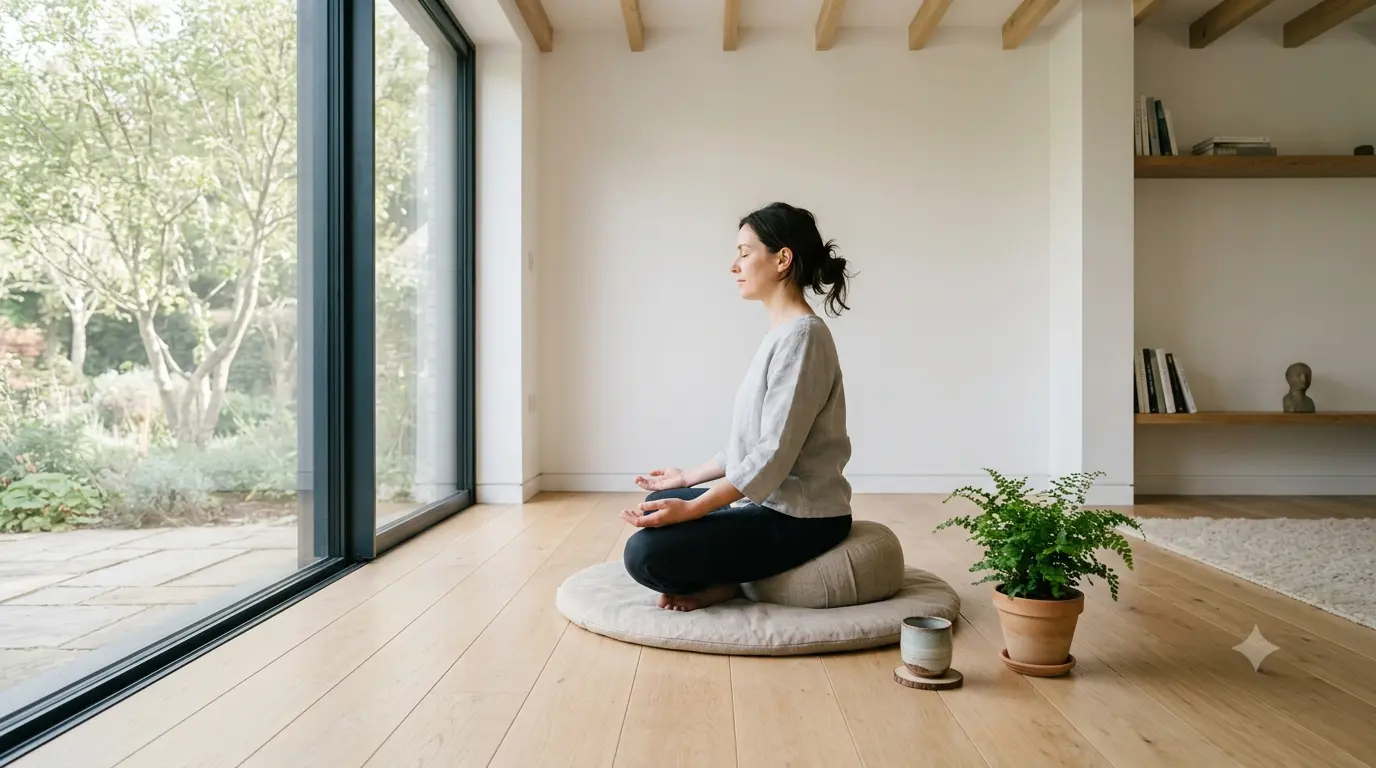
Many people avoid mindfulness practice because they believe meditating means erasing their thoughts. The secret to good beginner meditation is changing your relationship with your thoughts. You don’t need to stop thinking — you simply need to train your ability to notice that you’ve gotten distracted and come back to center.
Practical Action: Set aside just 3 to 5 minutes of your day. Sit in a comfortable chair with your feet flat on the floor. Close your eyes and direct all of your attention to the points of contact between your body and the chair, and between your feet and the floor. Whenever you notice your mind has started planning the future or reviewing the past, simply acknowledge the thought and, gently, bring your focus back to the physical sensations of your body.
- The Physiological Reset: Box Breathing
If you need to discover how to reduce stress naturally and immediately during a moment of crisis or anxiety, the most powerful tool available is controlling the rhythm of your breath. Box breathing is a technique used by high-performance professionals to stabilize the cardiovascular system and clear the mind under pressure.
Practical Action: Picture a perfect square. You’ll move along each side in four equal steps:
- Inhale deeply through your nose for a count of 4.
- Hold the breath in your lungs for 4 seconds.
- Exhale all the air slowly through your mouth for 4 seconds.
- Keep your lungs empty for 4 seconds before starting again.
Repeat the cycle for 4 rounds to feel muscle relaxation and a drop in heart rate.
- Everyday Awareness: Practical Mindfulness Exercises
Mindfulness extends far beyond the meditation cushion. You can practice present-moment awareness during the simplest activities of your day, turning automatic habits into rituals of cognitive restoration.
Practical Action: Choose one daily activity — such as brushing your teeth, taking a shower, or washing the dishes — and perform it with full sensory engagement. Notice the temperature of the water on your skin, the scent of the soap, the sound of the movements, and the textures under your touch. When your mind tries to race ahead to the next commitment, bring it back to the current sensory experience. This trains the resilience of your focus.
A Sensory Experience of Mindful Awareness
- Presence in the Preparation: The ritual of brewing a cup of tea is an excellent mindfulness exercise. Watching the water change color, listening to the sound of boiling, and feeling the warmth of the rustic mug between your hands anchors your mind in the now.
- The Calm Alertness of White Tea: Made from the young buds of the Camellia sinensis plant, white tea contains a delicate amount of caffeine combined with high concentrations of L-theanine. It promotes a clean, serene focus for your mindfulness practices.
- The Sensory Relaxation of Chamomile: Using a warm chamomile infusion at the end of the day — focusing exclusively on the herb’s sweet, floral aroma — helps release accumulated tension in the facial muscles and throughout the body.

Conclusion: The Space Where Freedom Lives
Practicing mindfulness exercises and pursuing nervous system regulation doesn’t mean eliminating everyday problems or living in a state of unrealistic calm. It means developing the ability to not get lost in your own reactions. By applying techniques like box breathing and weaving small moments of presence into your routine, you create a space between the external stimulus and your internal response. It is precisely in that small space that your freedom lives — the freedom to choose stability, balance, and genuine care for your mental health.
Sources and Inspiration
- Kabat-Zinn, J. (2003). “Mindfulness-Based Interventions in Context: Past, Present, and Future.” Clinical Psychology: Science and Practice. (Pioneering study on the clinical application of mindfulness in stress reduction and the development of emotional regulation.)
- Porges, S. W. (2011). The Polyvagal Theory: Neurophysiological Foundations of Emotions, Attachment, Communication, and Self-regulation. W. W. Norton & Company. (Foundational work explaining the relationship between the vagus nerve, breathing, and modulation of the parasympathetic nervous system.)
- Tang, Y. Y., et al. (2015). “The neuroscience of mindfulness meditation.” Nature Reviews Neuroscience. (Scientific review demonstrating how regular mindfulness practice alters brain plasticity and improves stress management.)
Continue Your Vitality Journey
- Micro-Habits for Anxiety:https://thehealthliving.com/micro-habits-for-anxiety-the-1-minute-method-thats-changing-mental-health/
- Overthinking:https://thehealthliving.com/overthinking-how-to-stop-overanalyzing-without-fighting-your-own-mind/
Try the Now: Have you ever tried practicing mindfulness, or do you find it hard to quiet your thoughts? Which of these techniques — box breathing or mindful attention during daily activities — will you try first today? Leave your answer in the comments below and let’s share experiences on the path to a more present-day routine!
Transparency Note: This blog values originality and technology. The illustrations in this article were developed with the assistance of artificial intelligence to ensure a unique visual identity that is free of copyright restrictions.
