ℹ️ Note: This article contains affiliate links. As an Amazon Associate, I earn from qualifying purchases at no extra cost to you.
What Is High-Functioning Depression?
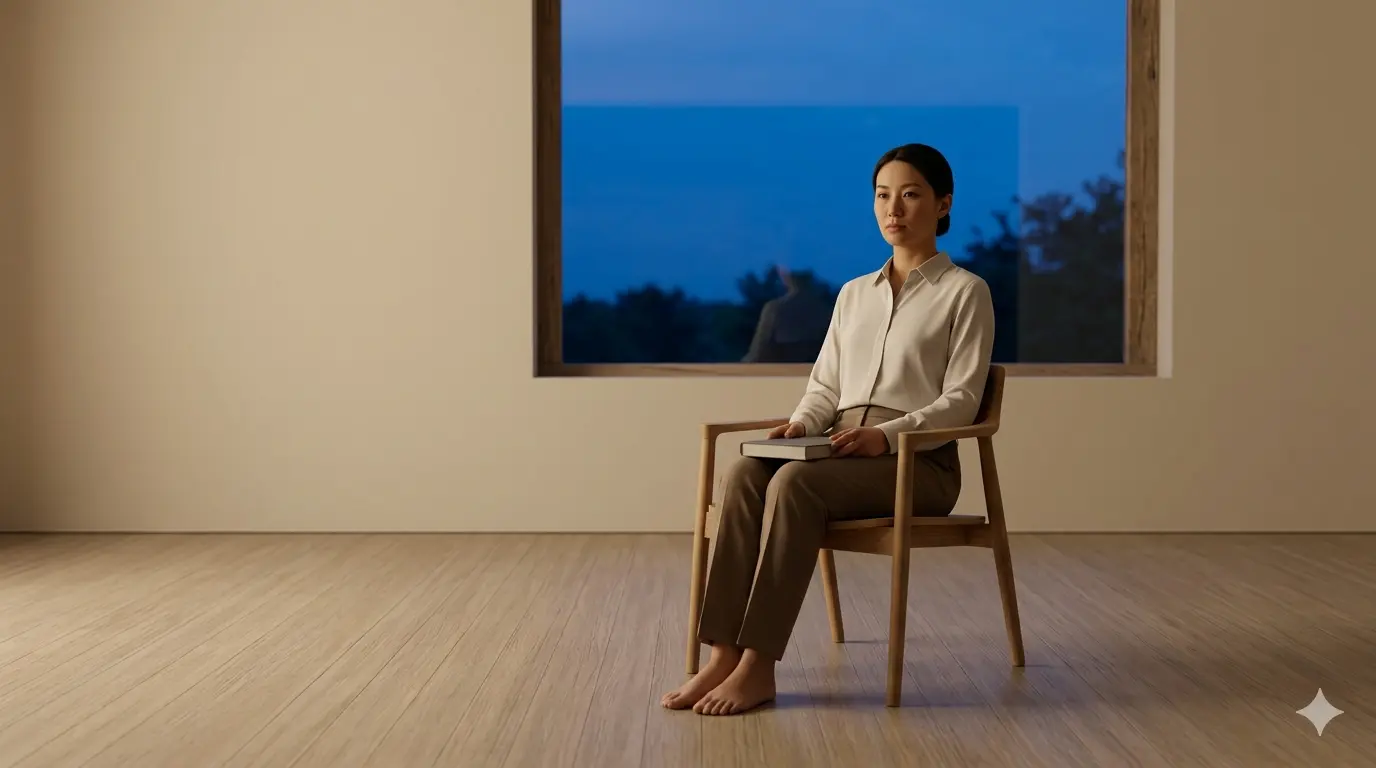
You wake up on time, meet every deadline at work, and still manage to show up to social events with a smile on your face. No one — not even the people closest to you — suspects that anything is wrong.
You look like you have it all together on the outside… but on the inside, you’re exhausted, empty, and completely disconnected.
This is the reality of “Silent Depression” or “Functional Depression,” clinically known as Persistent Depressive Disorder (PDD). Unlike the common stereotype of depression — where a person can’t get out of bed — someone living with high-functioning depression can carry out daily tasks and responsibilities. The cost, however, is a continuous and invisible internal depletion.

The Hidden Signs of High-Functioning Depression
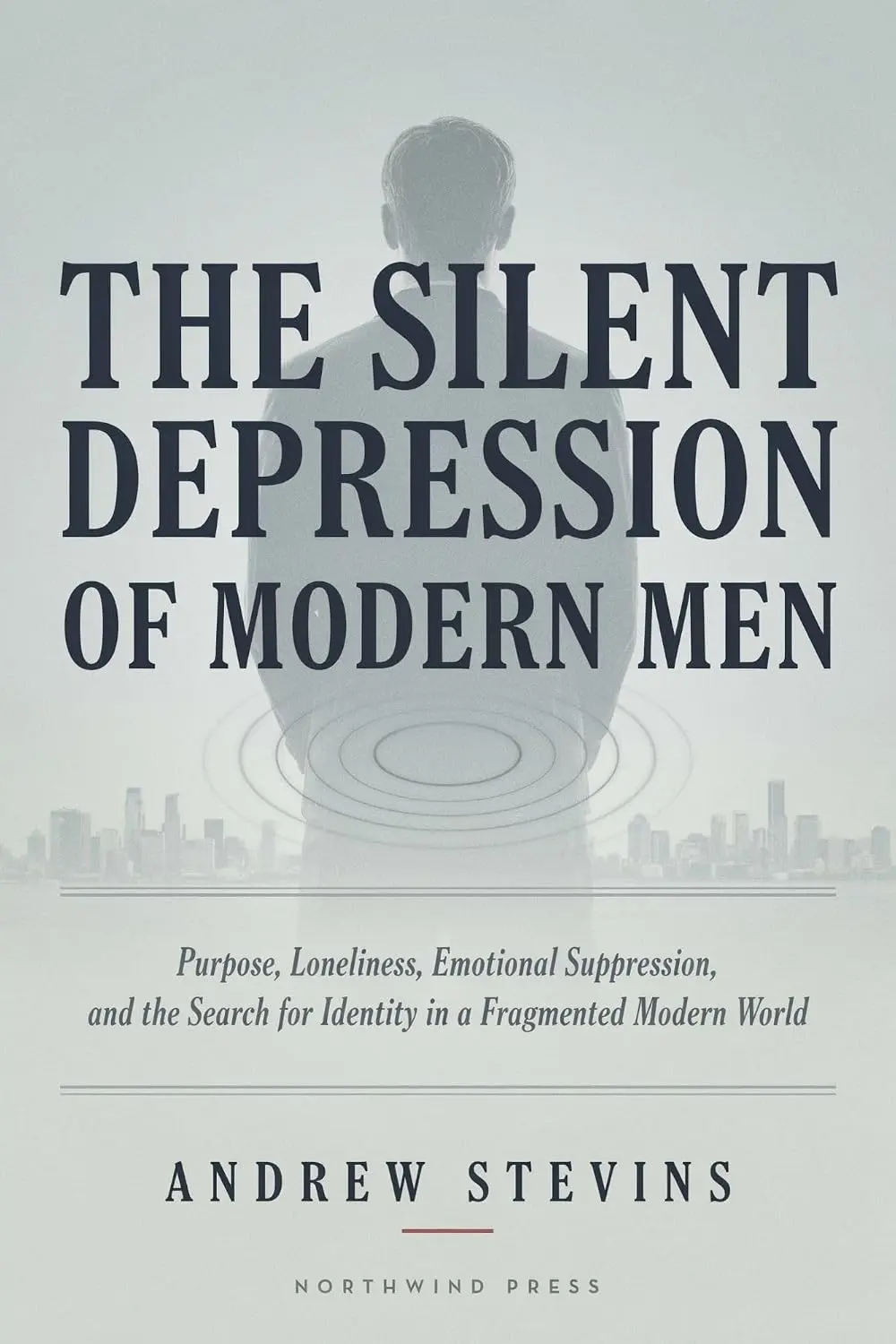
The symptoms aren’t explosive — they’re persistent, quietly eroding your joy for living. According to writer and depression expert Andrew Solomon, author of The Noonday Demon, depression is “the flaw in love” — and in its functional form, that flaw often shows up as an inability to feel pleasure.
Here are some signs you might be overlooking:
- Unexplained Chronic Fatigue: Even after a full night’s sleep, you wake up tired. The energy it takes to “keep up appearances” drains every last reserve you have.
- Loss of Joy (Anhedonia): The things you used to love now feel like obligations. You don’t actually enjoy experiences anymore — you just go through them.
- Relentless Self-Criticism: A constant inner voice tells you that you’re “not enough,” that you’re a “failure,” or that you’re just “faking it.”
- Irritability and Mental Tension: You’re always on edge, feeling like the smallest thing could knock you off balance at any moment.
Rituals for Recovery and Mindful Self-Care
High-functioning depression is tricky precisely because your own “functionality” keeps you from asking for help or even recognizing the problem. Professional treatment — therapy and, in some cases, medication — is essential, but you can also start building small rituals to reconnect with your inner energy.
The Nature Connection Ritual (Screen-Free) Spend 5 minutes observing a plant, the texture of tree bark, or the color of the clouds. Put your phone away. Just try to be there, allowing nature — with its quiet order — to bring a little grounding to your inner chaos.

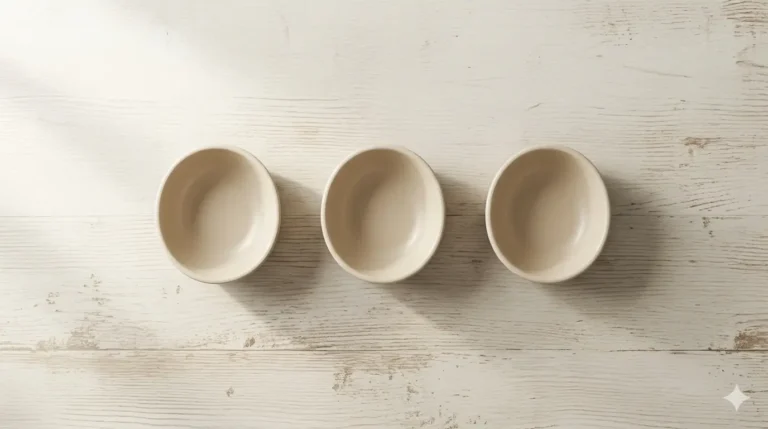
The Visual Mental Organization Ritual (Flat Lay) At the end of the day, arrange a small flat lay — a top-down visual display — using three objects that represent something you’re genuinely grateful for. It doesn’t have to be something big: your favorite tea mug, a book you love, a smooth stone. The act of choosing and arranging these objects trains your brain to focus on the present moment and find stillness.
Conclusion and Next Steps
High-functioning depression is exhausting because it demands that you wear a mask of normalcy around the clock. If any of this sounds familiar, please don’t brush it off. You don’t have to pretend to be okay in order to be strong. Real strength is recognizing your internal exhaustion and reaching out for the support you need to rediscover the joy of living.
Further Reading
- Constant Anxiety:https://thehealthliving.com/constant-anxiety-whats-behind-the-silent-rise-and-how-to-break-the-cycle-in-5-minutes/
- Mental Detox:https://thehealthliving.com/mental-detox-how-to-reduce-anxiety-by-cutting-the-noise-without-disappearing-from-the-world/
Sources and Inspiration
- Andrew Solomon — His works, especially The Noonday Demon: An Atlas of Depression and Far From the Tree, were key sources for understanding functional depression and its subjective signs.
- World Health Organization (WHO) — Definitions and guidelines on Persistent Depressive Disorder (PDD) drawn from official WHO publications.
- Mayo Clinic & Harvard Health Publishing — Technical articles on high-functioning depression and mindful self-care strategies used to support the practical tips.
Do you see yourself in any of this? Don’t stay silent. Share what you’re feeling in the comments below — let’s break this silence together.
Transparency Note: This blog values originality and technology. The illustrations in this article were developed with the assistance of artificial intelligence to ensure a unique visual identity that is free of copyright restrictions.
