ℹ️ Note: This article contains affiliate links. As an Amazon Associate, I earn from qualifying purchases at no extra cost to you.
Have you ever felt caught in an internal tug-of-war — needing energy to act, but also needing calm to think clearly? It’s a tension that calls out for harmony, a sweet spot where your body stays active while your mind remains at peace.
Oolong, known as the “Black Dragon,” is the answer to that state of duality. Through its unique partial oxidation process, it offers the best of both worlds: the cellular protection of green teas and the invigorating depth of dark ones — making it a true ally in the pursuit of balance.
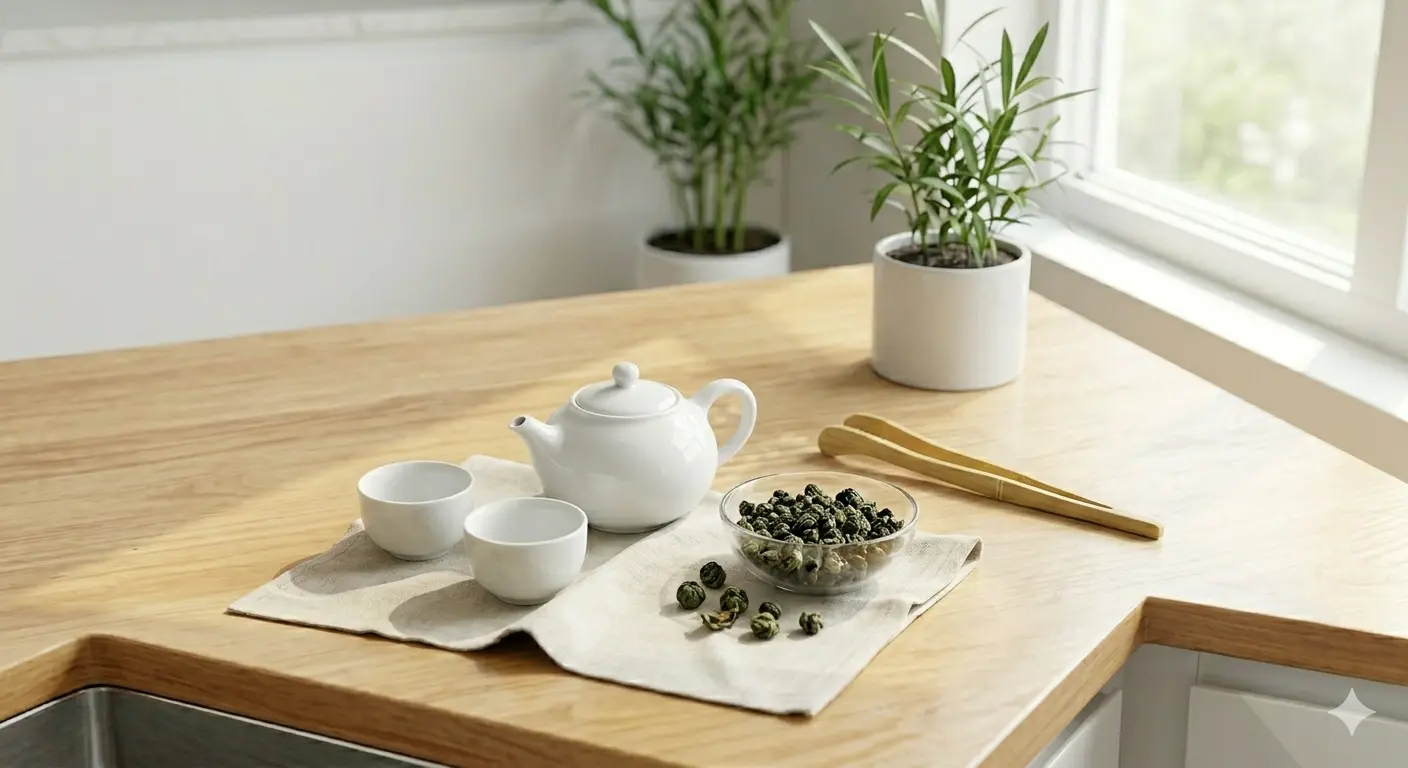
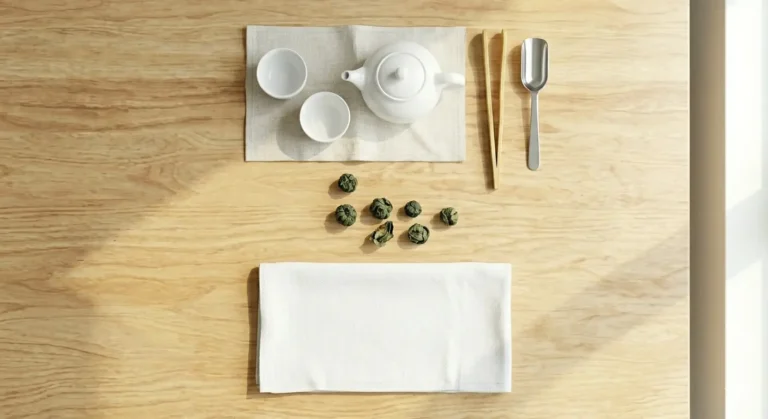
Awakening the Leaves: Heat the water to around 185°F (just before it reaches a full boil). Rinse the teapot or cup with a little of that hot water, then discard it — this warms the vessel and helps it hold the heat.
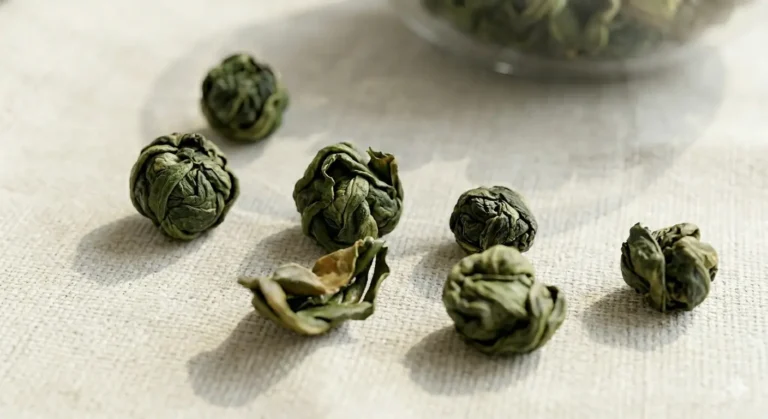
The First Steep: Add the leaves and pour in the water. Steep for 3 to 5 minutes. Watch the little balls slowly unfurl, as if waking up from a deep sleep.
Multiple Layers: The secret of oolong is that the same leaves can be used 3 to 4 times. Each steep will reveal something new — from floral and fruity in the early rounds to woody and toasty in the later ones.
The Aroma: Before you take your first sip, bring the cup to your nose. Oolong is famous for its complex aroma, which begins preparing your nervous system for the experience ahead.
The Tasting: Drink in small sips, letting the tea move across your entire palate so you can fully appreciate its slightly buttery texture.
Why Is It Good for You?
Metabolic Boost: Research suggests that oolong’s specific polyphenols may help activate fat-burning enzymes even more effectively than green tea.
Sustained Focus: The combination of caffeine and L-theanine promotes a state of “relaxed alertness” — ideal for long stretches of creative work or studying.
Skin Health: Its anti-inflammatory properties help combat dermatitis and support a healthier, more vibrant appearance of the skin.
A Few Things to Keep in Mind
Stomach Sensitivity: Being a processed tea, oolong can be a bit strong on sensitive stomachs if consumed after a long period of fasting.
Anxiety Management: While more balanced than other teas, oolong still contains caffeine. If you’re prone to anxiety, pay attention to how your body responds.
Medication Interactions: Like all teas derived from the Camellia sinensis plant, oolong may interfere with the absorption of certain medications. Check with your doctor if you’re undergoing ongoing treatment.
Sources & Inspiration:
Research on the impact of oolong tea polyphenols on lipid oxidation and weight management.
Analysis of L-theanine and its neuroprotective role in semi-oxidized teas.
Traditions of the Gongfu Cha ceremony and the art of appreciating the sensory layers of oolong.
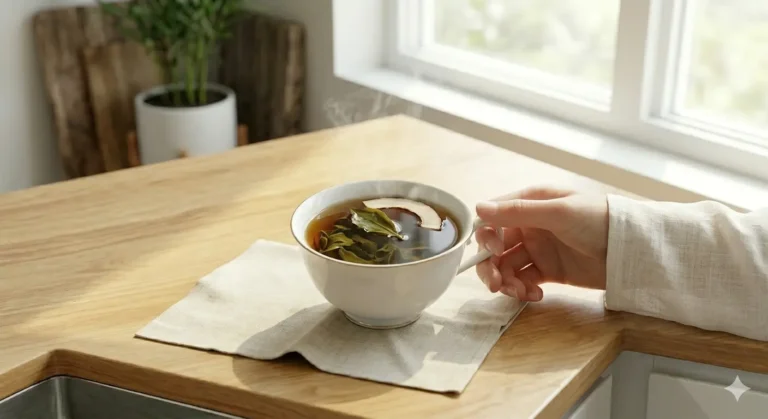
Transparency Note: This blog values originality and technology. The illustrations in this article were developed with the assistance of artificial intelligence to ensure a unique visual identity that is free of copyright restrictions.
Welcome to our wellness corner! Here you will find light and practical content about natural health, teas and balance to live with more energy and serenity. 🌿✨