ℹ️ Note: This article contains affiliate links. As an Amazon Associate, I earn from qualifying purchases at no extra cost to you.
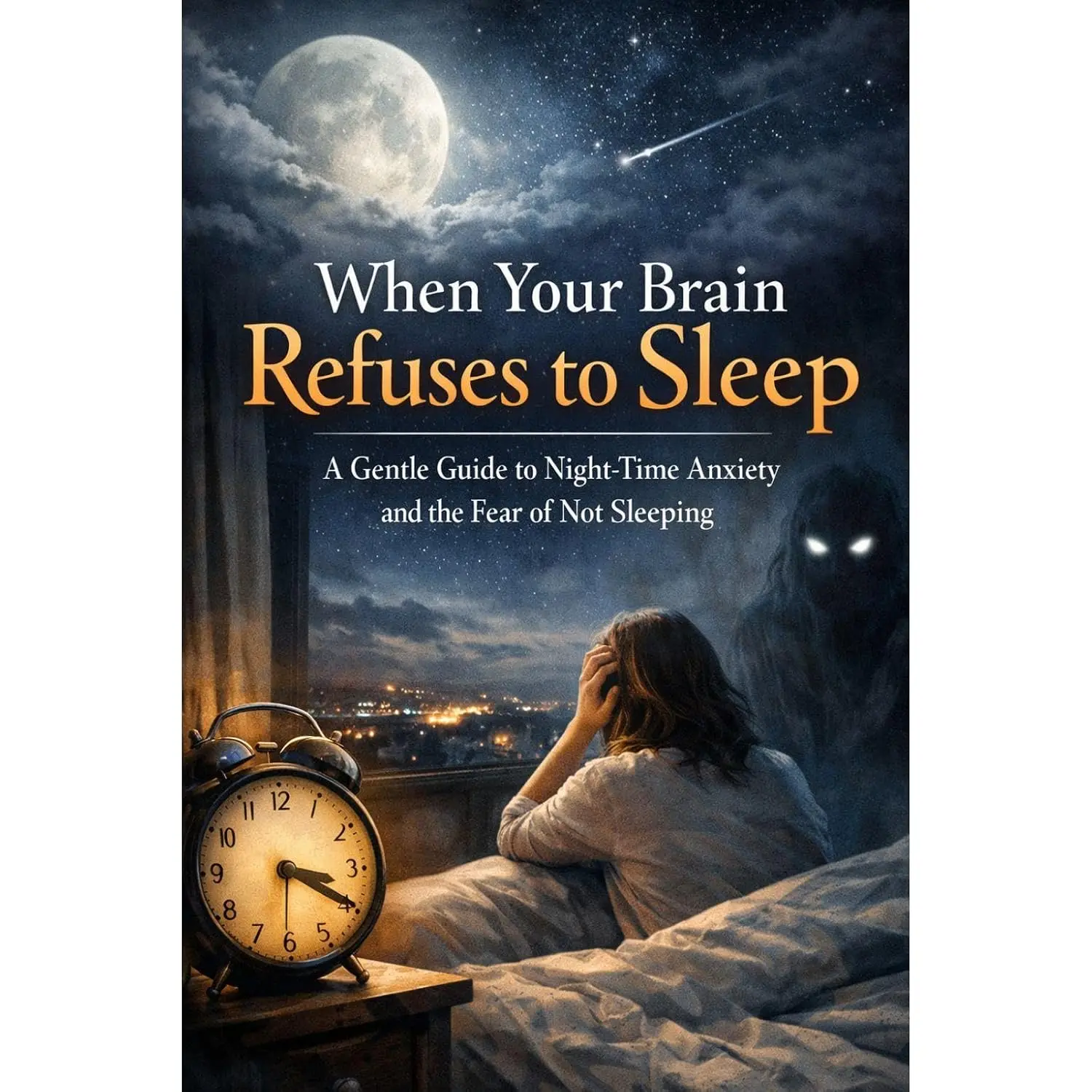
The day was productive. You solved problems, checked things off your list, and connected with people. Finally, it’s time to lie down. The room is dark, the bed is comfortable, and silence fills the air. It should be the perfect moment to rest. But instead of winding down, your mind seems to flip a high-voltage switch. Why do your thoughts speed up right now, of all times?
For many people, the quiet of the night doesn’t bring peace — it brings a blank space that the brain eagerly fills with worries, tomorrow’s to-do lists, and replays of past conversations. This phenomenon, known as nighttime anxiety, turns the sanctuary of sleep into a mental battleground. At TheHealthLiving, we understand that this process has biological roots — and that it can be transformed through small decompression rituals.
Why Anxiety Gets Worse at Night: The Science Behind the Void
The answer lies in neurobiology and how we manage our attention throughout the day. According to the Sleep Foundation, during the day we’re constantly pulled by external stimuli. These distractions act as a kind of “filter” for our underlying worries.
When we remove those stimuli by turning off the lights, the brain finally has room to process everything left unresolved. If you didn’t give yourself moments of pause during the day, your emotions will rise to the surface with full force the moment you slow down. On top of that, cortisol — the stress hormone — can spike irregularly when your circadian rhythm is thrown off, keeping you in a state of “high alert” right when you should be winding down.

Common Triggers: What Keeps the Switch Turned On
While the absence of distraction is the main cause, certain modern habits can intensify the experience of nighttime anxiety:
- Poor Sleep Hygiene: Using your phone in bed exposes your eyes to blue light, which suppresses melatonin production and tricks your brain into thinking it’s still daytime.
- The “To-Do List Effect”: Going to bed without clarity about tomorrow causes the brain to keep churning through unfinished business, afraid of forgetting something important.
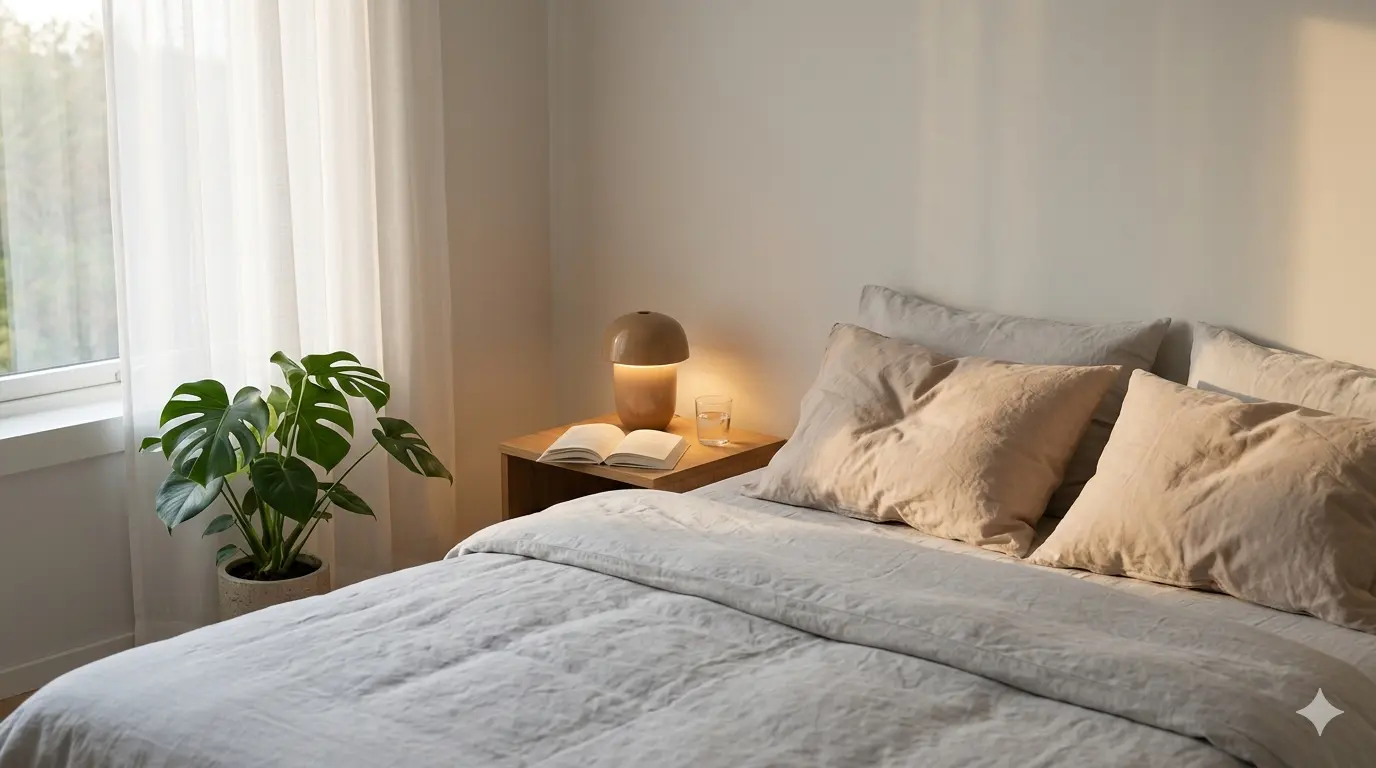
- A Cluttered Environment: A disorganized bedroom sends subtle signals of “unfinished work” to the anxious subconscious.
The Nighttime Tea Ritual: Building a Bridge to Sleep
The best way to counter this mental acceleration is to create a transition “bridge.” A consistent nighttime ritual signals to your nervous system that it’s safe to let go. Mindfully preparing a relaxing herbal tea is one of the pillars of this process. At TheHealthLiving, we highlight herbs that support the GABA system, such as Passionflower and Lemon Balm.
The act of making the tea — watching the steam rise, breathing in the citrusy aroma, feeling the warmth of the mug in your hands — works as an anchor in the present moment. It draws your energy away from abstract thoughts and brings it back to physical sensation.

Conclusion: Give Your Mind Permission to Rest
Nighttime anxiety is a signal that your mind needs space to process — not more distractions. By building micro-habits around sleep hygiene and botanical rituals, you teach your brain that nighttime is a territory of peace, not productivity.
Further Reading
- Overthinking:http://Overthinking: How to Stop Overanalyzing Without Fighting Your Own Mind
- Constant Anxiety: http://Constant Anxiety: What’s Behind the Silent Rise (And How to Break the Cycle in 5 Minutes)
Sources and Inspiration
- Sleep Foundation — Guidelines on anxiety and sleep.
- NCCIH — Reviews on the use of Passionflower for relaxation.
- Dr. Matthew Walker — Author of Why We Sleep, a leading reference in the neurobiology of sleep.
Start building your nighttime ritual tonight. What one small change will you make to your routine? Share it with us in the comments below!
Transparency Note: This blog values originality and technology. The illustrations in this article were developed with the assistance of artificial intelligence to ensure a unique visual identity that is free of copyright restrictions.
