
ℹ️ Note: This article contains affiliate links. As an Amazon Associate, I earn from qualifying purchases at no extra cost to you.
The Silence That Screams
You finish lunch, and thirty minutes later a heavy fog descends over your eyes. Your focus disappears, the will to work is replaced by a desperate craving for a nap, and you find yourself reaching for a sweet snack or another coffee just to “survive” the rest of the afternoon. This cycle of post-meal fatigue is the silence that screams in your metabolism: your body is fighting against the fuel you just gave it, instead of being powered by it.
Most of us eat to satisfy hunger, but few of us eat to sustain the biology of energy. The tiredness you feel at 3 p.m. isn’t laziness — it’s a signal that your insulin is on a rollercoaster and your mitochondria are starving for essential micronutrients. Understanding which foods activate your vitality and which ones drain it is the difference between spending your day in survival mode and spending it in a state of flow.
The False Fuel Trap: What’s Making You Tired
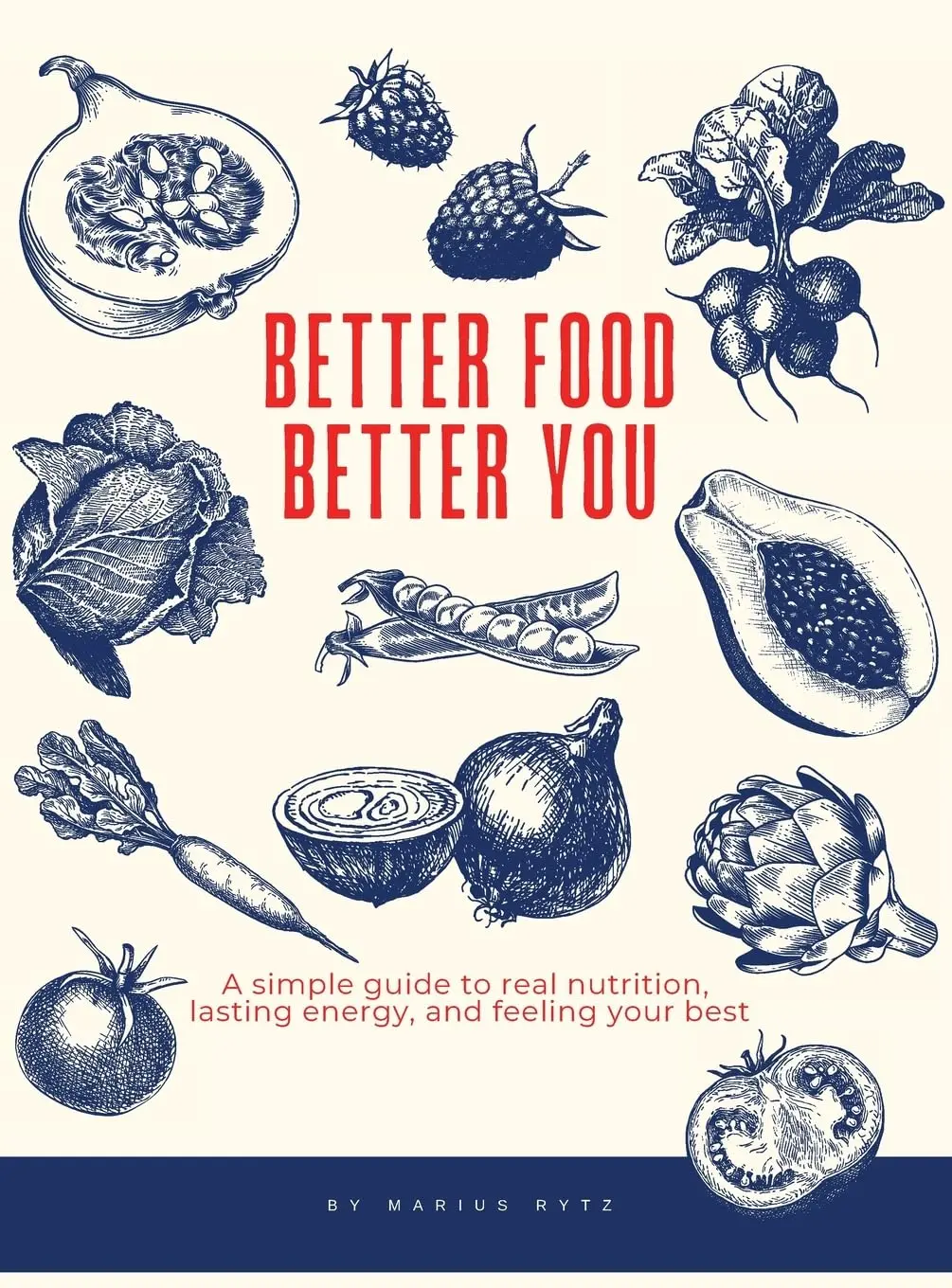

Before we talk about what to eat, we need to identify the saboteurs. The biggest enemy of lasting energy is the blood sugar spike. High-glycemic foods — white bread, refined flour pasta, packaged juices, and sweets — hit your bloodstream like an explosion.
The brain receives a quick burst of energy, but the pancreas responds by flooding the system with insulin to remove that sugar. The result? A sharp crash — reactive hypoglycemia — that leaves you more tired, irritable, and hungry than you were before. On top of that, ultra-processed foods loaded with trans fats and artificial additives trigger silent inflammation, forcing your immune system to burn energy that should be fueling your productivity and mental clarity.
The Constant Energy Method: Your Super-Fuels

To keep the engine running smoothly, we need nutritional density and slow release. Here are the food groups that actually deliver:
- Smart Fats (The Long-Lasting Fuel)
Unlike carbohydrates, healthy fats are a stable and dense source of energy. They don’t cause insulin spikes and keep you feeling full for hours.
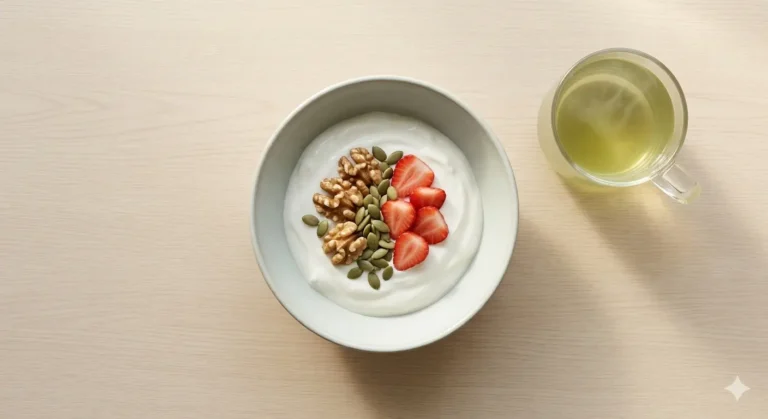
- What to choose: Avocado, extra-virgin olive oil, walnuts, pumpkin seeds, and organic eggs. The brain is largely composed of fat — providing these nutrients improves communication between neurons.
- Complex Carbohydrates and Fiber
Fiber acts as a “brake” for sugar, allowing energy to reach your cells at a steady, gradual pace.
- What to choose: Rolled oats, sweet potato, quinoa, and legumes (such as lentils). These foods nourish your gut microbiome, which produces short-chain fatty acids that are essential for mental energy and mood.
- Magnesium and B Vitamins
Without these micronutrients, your mitochondria cannot convert food into ATP — the body’s energy currency.
- What to choose: Dark leafy greens (spinach, kale), sunflower seeds, and organic dark chocolate (70% cacao or higher).
The Tea Ritual: Synergy and Absorption
- Green Tea with Ginger: Ginger supports digestion and insulin sensitivity, while green tea delivers polyphenols that protect your energy-producing cells from oxidative stress.
- Turmeric Infusion: Inflammation is one of the greatest energy drains. A Golden Tea — turmeric with a pinch of black pepper — helps reduce systemic inflammation, freeing up energy for what truly matters.
- Yerba Mate (Chimarrão/Tereré): For those looking for a stronger physical boost, Yerba Mate offers a unique combination of caffeine, theobromine, and saponins, resulting in a more stable and sustained alertness than coffee.
Conclusion: You Are What You Metabolize
Lasting energy isn’t about eating more — it’s about eating with biological strategy. When you replace sugar spikes with the steady stability of healthy fats and fiber, you take back control of your focus. Remember: every meal is an opportunity to signal to your body that it is safe and well-fueled — or that it is in a constant state of emergency. Choose the fuel that honors your biology.
References
- Ludwig, D. S., et al. (2018). “The Carbohydrate-Insulin Model of Obesity: Beyond ‘Calories In, Calories Out’.” JAMA Internal Medicine. (On how different foods affect metabolism and energy.)
- Kennedy, D. O. (2016). “B Vitamins and the Brain: Mechanisms, Dose and Efficacy.” Nutrients. (On the essential role of B vitamins in cellular energy production.)
- Tinsley, G. M., et al. (2018). “Time-restricted feeding in young men performing resistance training.” European Journal of Sport Science. (On the impact of meal timing on energy levels.)
Continue Your Vitality Journey
- How to Have More Natural Energy: https://thehealthliving.com/how-to-have-more-natural-energy-without-coffee-the-method-that-actually-works/
- The Nighttime Ritual: https://thehealthliving.com/the-nighttime-ritual-that-can-transform-your-sleep-and-your-energy-the-next-day/
Identify Your Saboteur: Which food do you notice drains your energy shortly after eating it? Have you tried swapping it for a slow-release option? Share your experience in the comments!
Transparency Note: This blog values originality and technology. The illustrations in this article were developed with the assistance of artificial intelligence to ensure a unique visual identity that is free of copyright restrictions.
