ℹ️ Note: This article contains affiliate links. As an Amazon Associate, I earn from qualifying purchases at no extra cost to you.
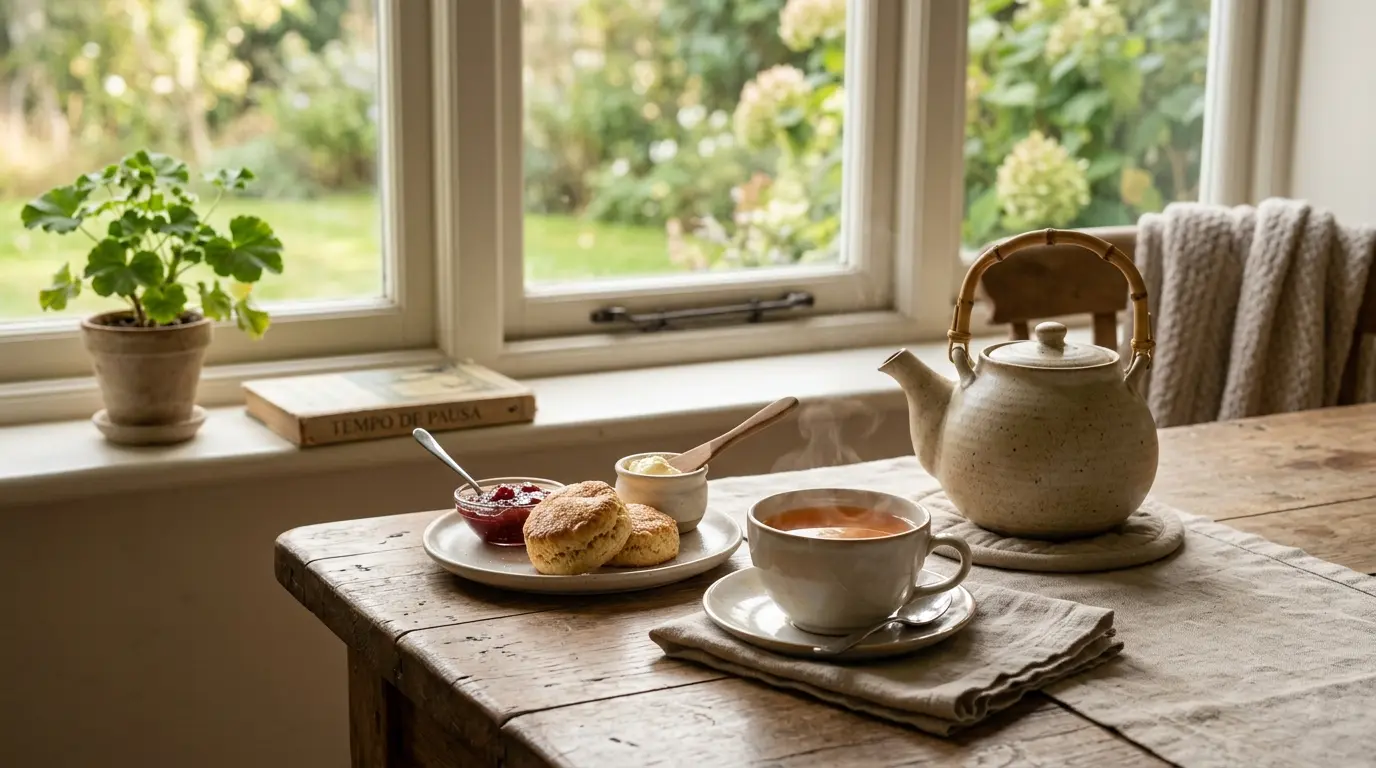
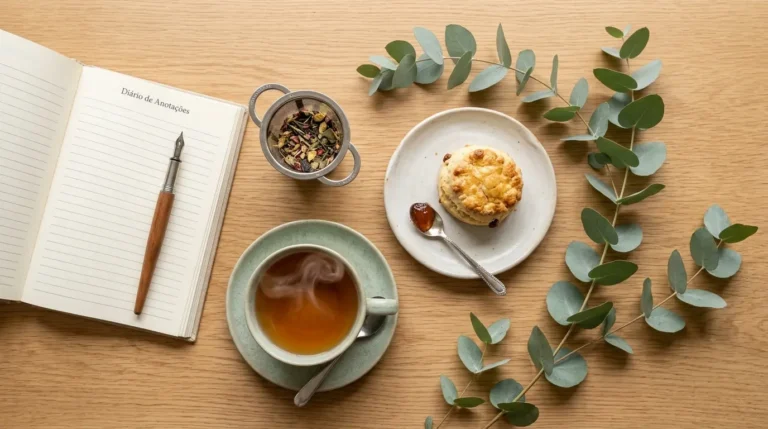
They sit on the most elegant coffee tables and on the trays of charming hotels, and they’ve become shorthand for sophistication and a midafternoon pause. With delicate porcelain cups, tiny crustless sandwiches, and warm scones fresh from the oven, afternoon tea has gone from a British habit to one of the most famous social rituals in the world.
It’s more than a simple snack, and it raises a curious question: why did an entire nation decide to stop in the middle of the afternoon to drink tea? Was it just a whim of the Victorian upper class, or is there a practical, physiological reason behind how this tradition began?
What Is Afternoon Tea, and Why Did It Start?
To understand where afternoon tea comes from, we have to go back to England in the 1840s. At that time, the eating schedule of the aristocracy changed dramatically thanks to the arrival of gas lighting, which allowed dinner to be served later and later, around 8 p.m.
Breakfast was served early, and lunch was just a quick bite, so a big gap opened up in the middle of the day. People were left hungry and drained by late afternoon.
Unlike other tea-drinking occasions in Europe, afternoon tea stood out as a complete sensory and social experience:
- Warmth and aroma: The heat of a black tea infusion (such as Darjeeling or Ceylon), paired with floral and woody aromas, brought immediate relief from afternoon fatigue.
- Touch and taste: A mix of light savory bites, soft scones, and delicate sweets supplied the glucose and energy needed to keep going until evening.
- Connection: The break became an informal gathering spot for conversation, bonding, and swapping ideas, away from the formality of regular meals.
The Physiology of the Pause: The Duchess of Bedford and the 4 p.m. Hunger
The person who turned that “empty feeling in the stomach” into a wellness ritual was Anna Maria Russell, the 7th Duchess of Bedford and a close friend of Queen Victoria.
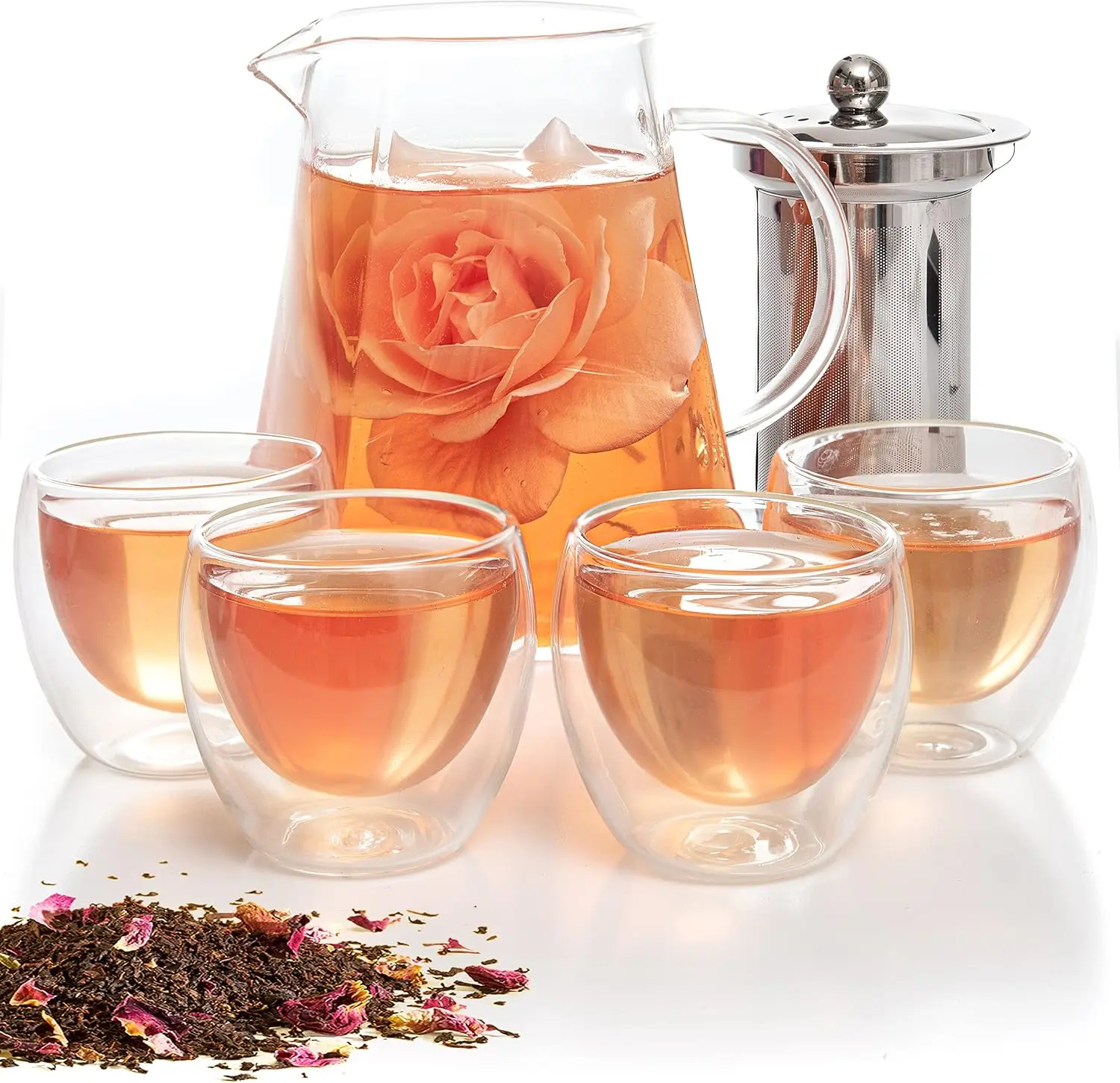
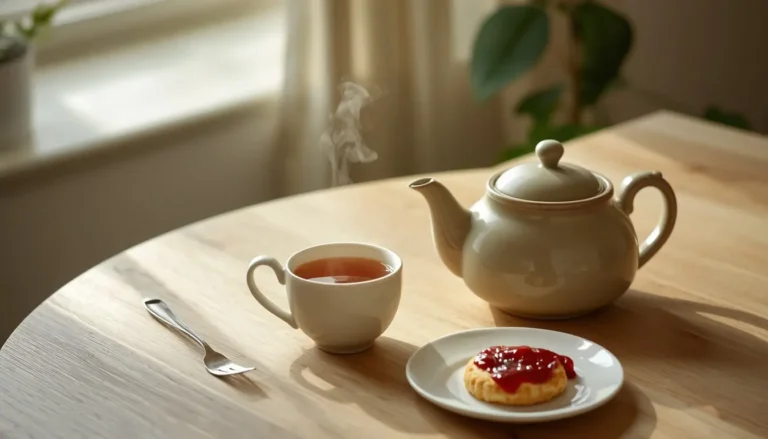
Around four in the afternoon, the duchess often complained of an uncomfortable feeling of weakness and physical exhaustion. Rather than wait for the distant dinner hour, she began quietly ordering a tray in her private rooms with hot tea, a little milk, sugar, and thin slices of bread and butter.
When she noticed how much that simple break restored her energy and mood, the duchess began inviting friends to join her. The habit was so popular that it soon spread through the drawing rooms of London. Here’s why it works:
- Steadier blood sugar: A small serving of complex carbohydrates and protein in the late afternoon helped prevent extreme hunger at dinner, keeping energy levels steady.
- Gentle stimulation: The natural combination of caffeine and L-theanine in the leaves of Camellia sinensis promotes a state of relaxed alertness, without the jitters that coffee can cause.
- Resetting your body clock: Taking an intentional break helped slow the heart rate and lower the cortisol that builds up over hours of back-to-back commitments.
Comparing British Tea Traditions
Over time, different ways of drinking tea developed across the British Isles, serving different social classes and times of day. Here’s how afternoon tea compares with the other versions:
Type | Main Time | Typical Foods | Who It Was For and Why |
Afternoon Tea (Low Tea) | 4–5 p.m. | Thin sandwiches, scones with cream, petits fours | Victorian upper class; a light social break before dinner |
High Tea (Meat Tea) | 5–7 p.m. | Hot meat pies, hearty breads, cheese, baked dishes | Working class; a substantial meal after work |
Cream Tea | Any time in the afternoon | Just scones, clotted cream, and strawberry jam | Casual country tradition (Cornwall and Devon) |
Elevenses | 11 a.m. | Simple cookies or toast with tea or coffee | A quick midmorning break for energy |
Where the Tea Ritual Helps (and Where It Doesn’t)
To get the most out of this long-standing practice in your daily life without unrealistic expectations, it helps to understand its true role in your routine:
When it’s a great ally:
- As a mindful break to decompress between your afternoon work block and the end of the workday.
- To replace extra coffee after 3 p.m. with a gentler, more comforting drink.
- As a chance to connect with others, creating the right setting for relaxed conversation with family or coworkers.
What it can’t replace:
- Afternoon tea doesn’t replace nutritious meals, and it won’t fix an unbalanced diet.
- It works as a tool for slowing down mentally, but it should go hand in hand with the solid foundations of good health: restful sleep, enough water, and active stress management.

Conclusion: Small Rituals of Calm in a Stressful Age
In an age ruled by instant everything, tight deadlines, and meals eaten in a rush in front of the computer, the lasting success of afternoon tea points to a timeless need: the search for balance and the choice to slow down on purpose.
Hitting “pause” on your day to make a cup of tea and enjoy a small meal at 5 p.m. may not solve everything on your to-do list, but it offers a valuable reminder: self-care is built in small moments of presence and quiet.
Sources and Inspirations
- Pettigrew, J. (2001). Design for Tea: Tea and the English Country House. National Trust Books. (A historical study of how architecture and social habits in Victorian England developed around tea drinking.)
- Ukers, W. H. (1935). All About Tea. Tea and Coffee Trade Journal Company. (A reference work on the botany, trade routes, and cultural impact of Camellia sinensis in the West.)
- UK Tea & Infusions Association. (2022). The History of Afternoon Tea. Historical Archives & Guidelines. (Documentation on the Duchess of Bedford, traditional etiquette, and how the British tradition spread around the world.)
Keep Exploring Your Wellness Journey
- The Great Tea Odyssey: How a Chinese Leaf Crossed Oceans and Conquered the World
- The True Origin of Tea: Between Ancient Legends and the Revelations of Modern Archaeology
Share Your Experience
Do you usually take a tea break in the afternoon? Have you ever tried a traditional afternoon tea, or do you prefer Brazilian herbal infusions? Leave a comment below and let’s talk!
Transparency Note: This blog values originality and technology. The illustrations in this article were developed with the assistance of artificial intelligence to ensure a unique visual identity that is free of copyright restrictions.
