ℹ️ Note: This article contains affiliate links. As an Amazon Associate, I earn from qualifying purchases at no extra cost to you.
You walk into a specialty tea shop and immediately feel overwhelmed — complex names, exotic origins, and prices that make your jaw drop. Matcha, Pu-erh, Gyokuro… it can seem like enjoying quality tea and all its wellness benefits requires both a degree and a small fortune. But here’s a little secret: the world of tea is incredibly accessible to everyone.
Practical, affordable well-being is one of our core beliefs. This guide isn’t about luxury — it’s about curiosity. It’s about how you can build a collection that brings joy, health, and focus to your daily life without straining your budget. Ready to get started?
The “Expensive Tea” Myth and the Truth About Loose Leaf
The first barrier we need to break down is the idea that good tea has to be expensive. The real value lies in loose leaf tea. While the price per ounce may seem high at first glance, quality leaves can — and should — be steeped multiple times.
Unlike a standard grocery store tea bag, which releases everything at once and quickly turns bitter, a serving of loose leaf green tea can yield up to 3 or 4 delicious cups throughout the day. The cost per cup ends up being surprisingly low. On top of that, you’re consuming the whole leaf, which means more antioxidants and L-theanine for your focus and clarity.
The Beginner’s Basic Kit: Less Is More
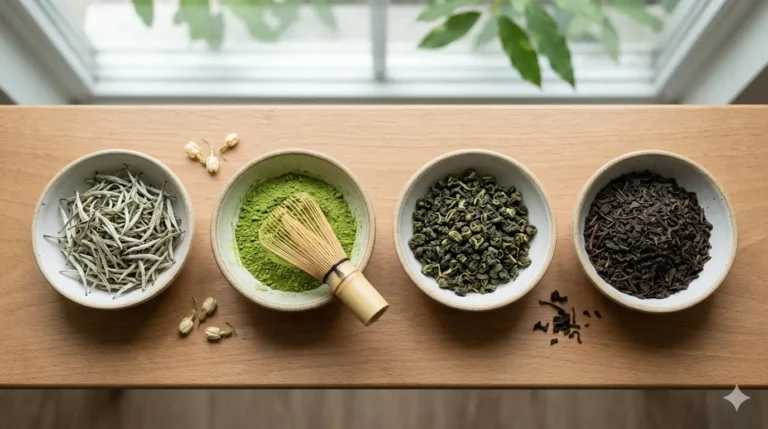
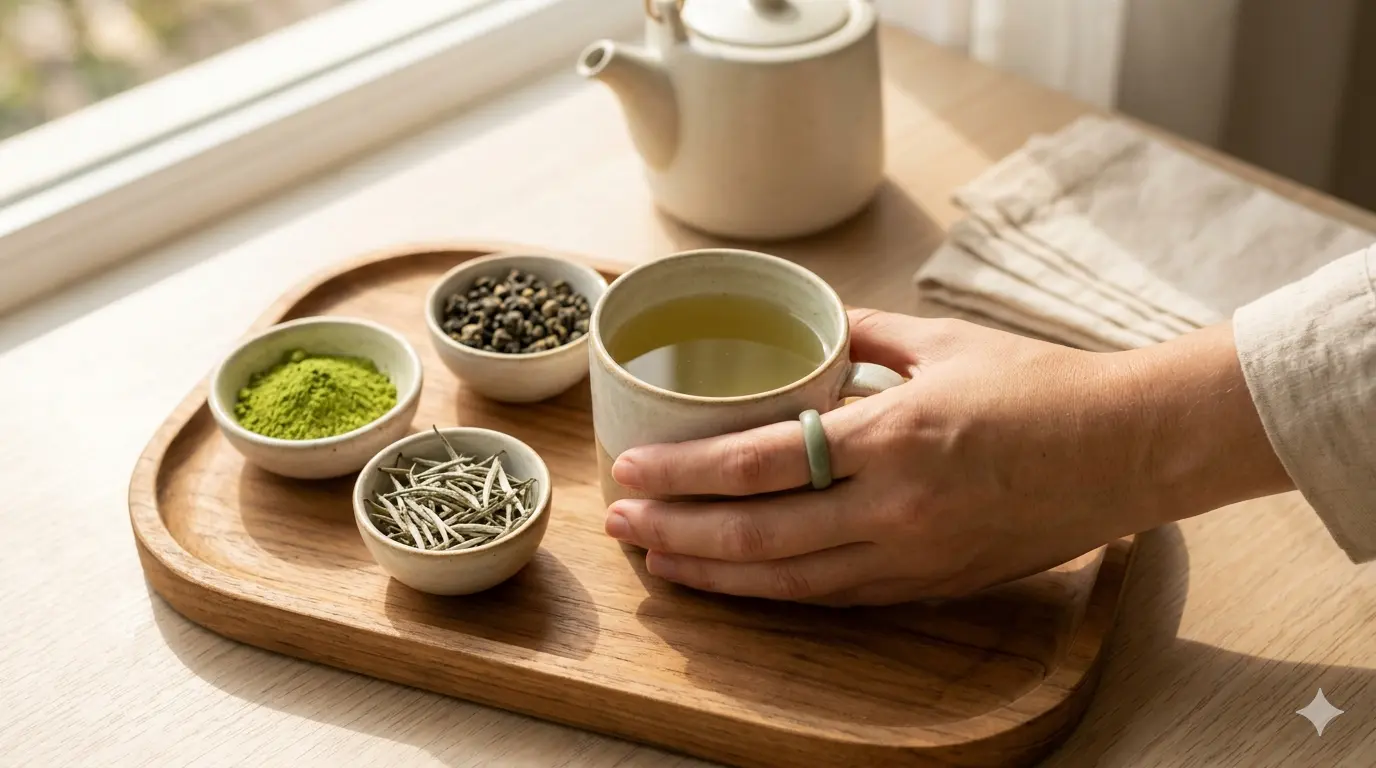
Don’t try to explore every variety at once. Start with 3 options that cover different flavor profiles and energy levels:
An Energizing Green Tea: Sencha (Japanese) or Longjing (Chinese). Great for morning focus.
A Comforting Black Tea: Earl Grey (flavored) or a classic Ceylon. Perfect for the afternoon.
A Botanical Herbal Blend: Chamomile or Peppermint. Essential for winding down or supporting your sleep routine at night.
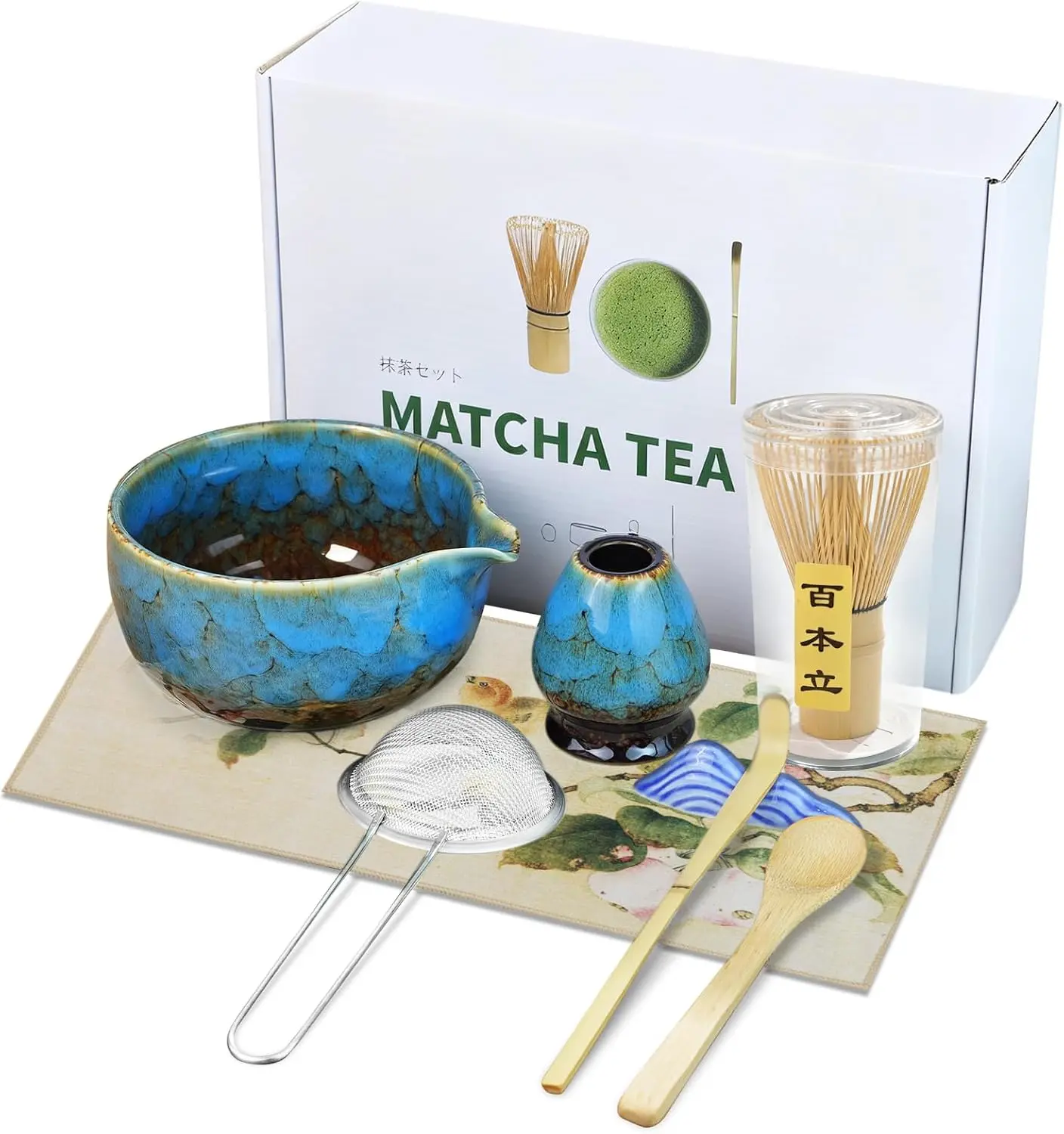
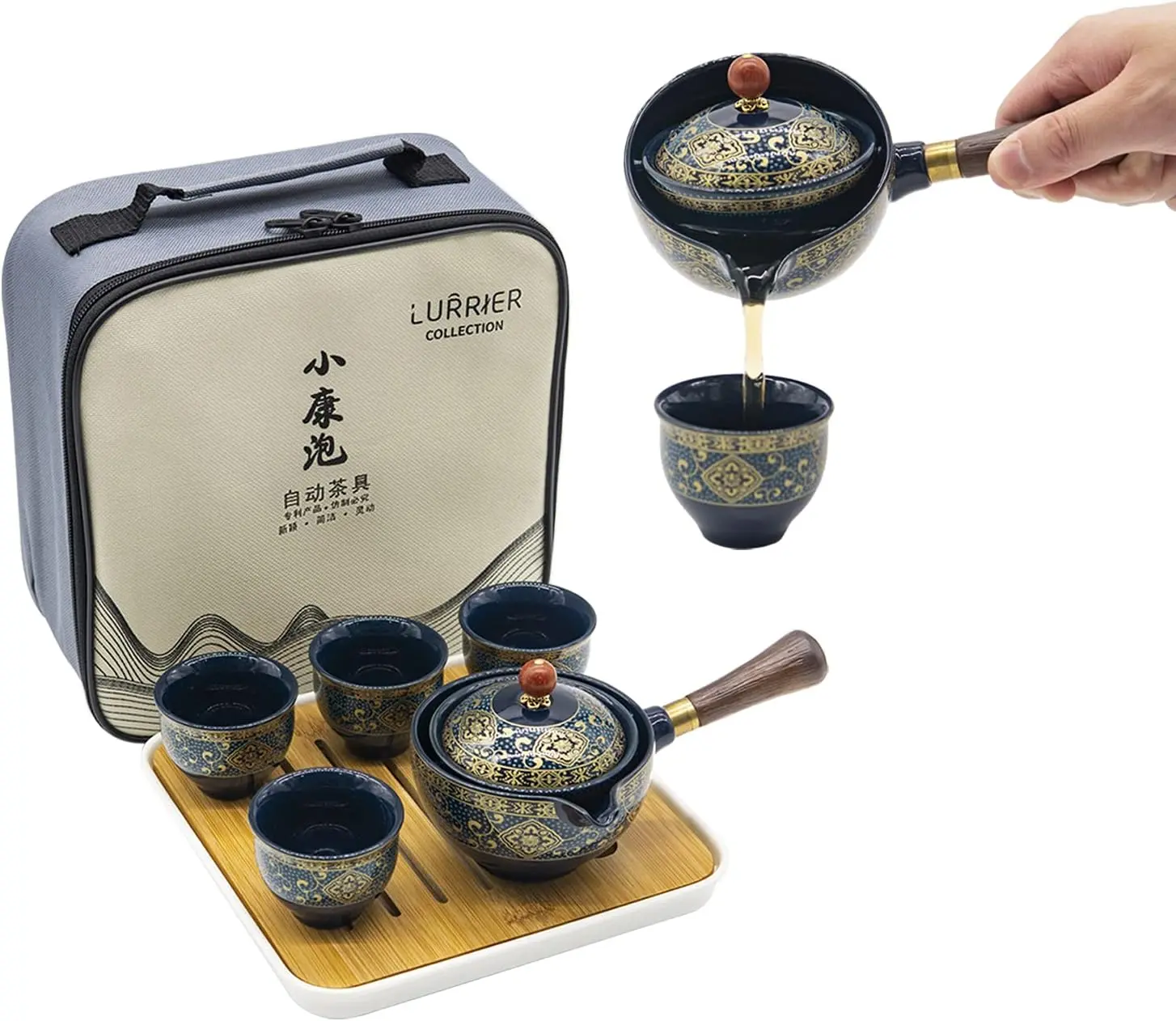
Another unnecessary expense for beginners is equipment. You don’t need a precision-temperature electric kettle or an antique Yixing clay teapot. The essence of tea is simple: hot water and leaves.
To get started, all you need is:
A simple cup infuser — the kind made of stainless steel mesh that rests on the rim of your mug.
A glass or ceramic teapot — if you prefer to brew more than one cup at a time.
The secret isn’t in the accessories — it’s in respecting the steeping time and water temperature. (Quick tip: boiling water will actually burn green tea leaves and make them bitter!)
Conclusion: Your Collection Is a Personal Journey
Building your tea collection is an act of self-discovery. Over time, you’ll come to understand whether you prefer the bold astringency of a black tea or the soft, mellow sweetness of a white tea. There’s no rush. Start slowly, respect your budget, and focus on the experience of presence that each cup offers. Real well-being doesn’t have to be expensive — it just takes intention.
Sources and Inspiration
Heiss, M. L., & Heiss, R. J. (2007). “The Tea Enthusiast’s Handbook: A Guide to the World’s Best Teas.” (An accessible guide to the world’s tea varieties.)
Centuries-old tea consumption traditions and the democratization of tea culture in China and Japan.
What’s the biggest barrier stopping you from starting your tea collection? Price, complexity, or simply not knowing where to begin? Tell us in the comments — let’s demystify the world of tea together!
Transparency Note: This blog values originality and technology. The illustrations in this article were developed with the assistance of artificial intelligence to ensure a unique visual identity that is free of copyright restrictions.
Welcome to our wellness corner! Here you will find light and practical content about natural health, teas and balance to live with more energy and serenity. 🌿✨