
ℹ️ Note: This article contains affiliate links. As an Amazon Associate, I earn from qualifying purchases at no extra cost to you.
Have you ever stopped to notice how the temperature of a drink can completely change your state of mind?
There is a silence that speaks volumes when we hold a hot cup on a cold morning — a moment of introspection, of protection from the outside world. On the other hand, the clink of ice hitting glass on a summer afternoon evokes freedom, energy, and movement. But the question that divides enthusiasts is: does tea lose its properties or its “soul” when we change its temperature? Around the globe, the answer to that question reveals far more about our biology and culture than you might think.
The Science of Temperature: Thermoregulation and Taste
The choice between hot and iced is not just a matter of preference — it is about how our body interacts with its environment.
- The Hot Tea Paradox: In countries like India and Egypt, hot tea is consumed even when temperatures exceed 104°F (40°C). Science explains why: a hot drink stimulates receptors in the mouth and stomach that signal the brain to increase perspiration, which ultimately cools the body more efficiently than a cold drink would.
- Taste Sensitivity: Cold tends to “numb” the taste buds. This is why iced teas tend to be more intense or slightly sweetened, while hot teas reveal more subtle and complex floral and earthy notes.
The Iced Tea Empire: An American Phenomenon
If you travel across the United States — especially in the South — “Sweet Tea” (sweetened iced black tea) is practically a religion. It is estimated that around 80% of the tea consumed in North America is served iced.
Unlike in Asia, where tea is a ritual of patience, in the West it was adapted to match a dynamic lifestyle. Iced tea became the fuel for productivity and instant refreshment, proving that Camellia sinensis can be just as vibrant as it is serene.

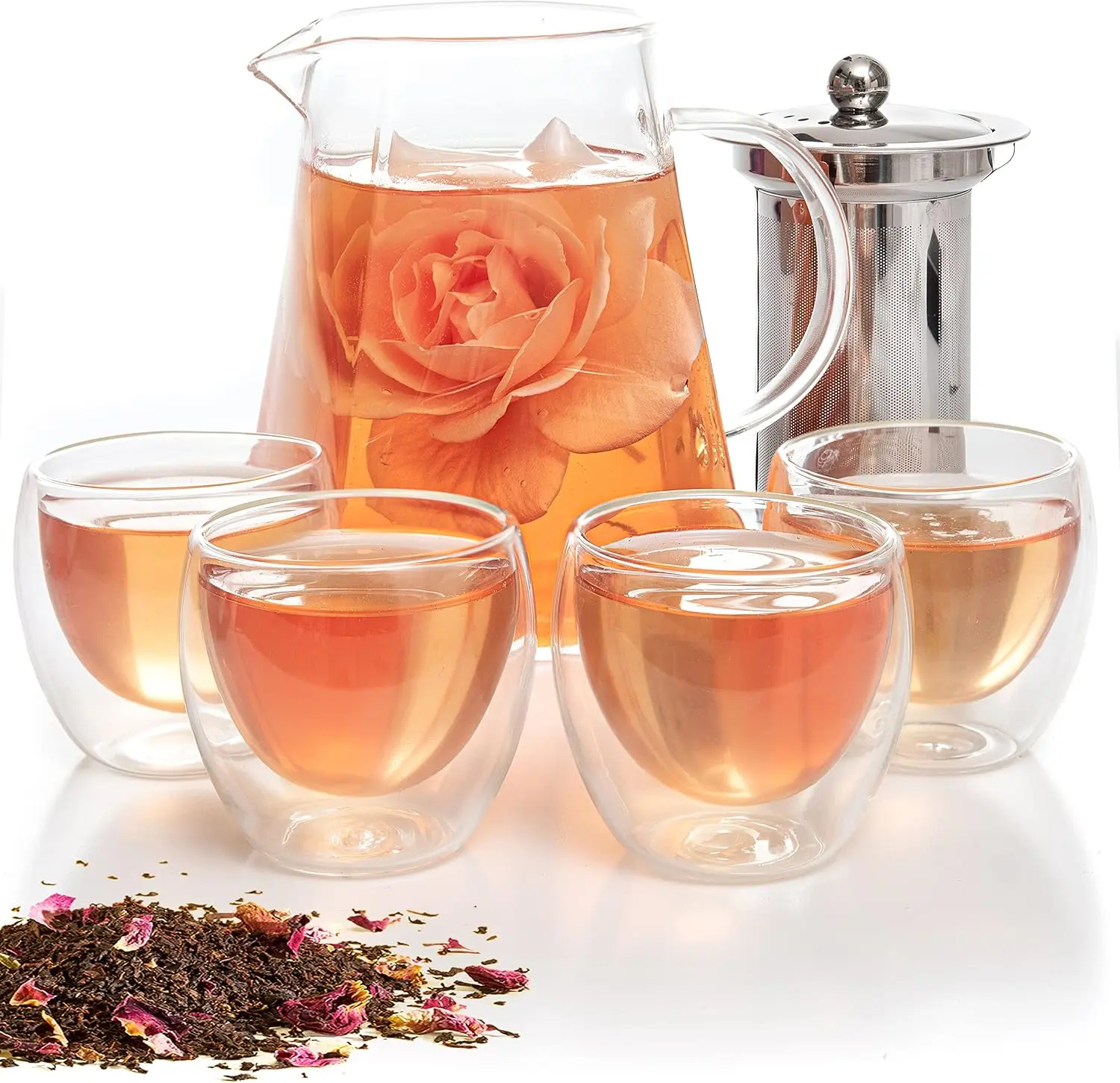
The Unbroken Tradition: The East and the Heat That Heals
In China and Japan, drinking iced tea with meals is still approached with caution in traditional medicine. It is believed that hot tea aids digestion and keeps the “Qi” (vital energy) in balance. The ritual of watching leaves expand in hot water is irreplaceable. For these cultures, heat is the vehicle that delivers polyphenols and antioxidants to the body in the most bioavailable way possible.
Cold Brew vs. Mate Tea: The Cold Extraction Revolution
We cannot talk about iced tea without mentioning the Cold Brew technique. Unlike making hot tea and then adding ice, cold brewing extracts fewer tannins, resulting in a much smoother and less astringent drink.
And of course, here in Brazil, we have our own icon: iced Chá Mate. Whether on the beaches of Rio or at the dinner table, iced mate is a perfect example of how a regional plant became a pillar of national identity and refreshment.

Finding Balance Through the Seasons
As a guide and friend, I encourage you not to pick a side, but to learn to listen to what your body is asking for.
The Seasonal Ritual:
- Focus Mornings: Go with hot green tea (160°F / 70°C). The warmth awakens the digestive system while L-Theanine sharpens the mind.
- Hot Afternoons / Post-Workout: Brew a cold hibiscus or mate tea. Hydrating with antioxidants — without the insulin spike of artificial juices — is the secret to sustaining your energy.
- Relaxing Evenings: Always hot. A chamomile or rooibos infusion prepares the body for sleep, gently lowering the core temperature after the initial warmth.

Conclusion and Next Steps
Whether hot to heal or iced to refresh, tea is proof of human adaptability. What matters is not the reading on the thermometer, but the intention you bring to every sip.
Further Reading
- Tea in the Land of Liberty:https://thehealthliving.com/tea-in-the-land-of-liberty-the-story-of-how-a-drink-shaped-the-destiny-of-the-united-states/
- The Great Tea Odyssey:https://thehealthliving.com/the-great-tea-odyssey-how-a-chinese-leaf-crossed-oceans-and-conquered-the-world/
Sources and Inspirations
- Tea Association of the USA: Statistics on the growth of the RTD (Ready-to-Drink) and iced tea market.
- Smithsonian Magazine: The cultural history of iced tea and its technological evolution.
- Journal of Clinical Nutrition: Studies on the impact of beverage temperature on digestion and basal metabolism.
And what about you — are you a steaming-cup person, or can you not live without a glass full of ice? Tell me in the comments which temperature best matches your lifestyle!
Transparency Note: This blog values originality and technology. The illustrations in this article were developed with the assistance of artificial intelligence to ensure a unique visual identity that is free of copyright restrictions.
