ℹ️ Note: This article contains affiliate links. As an Amazon Associate, I earn from qualifying purchases at no extra cost to you.
What If Your Fear Wasn’t About You — But About the World?
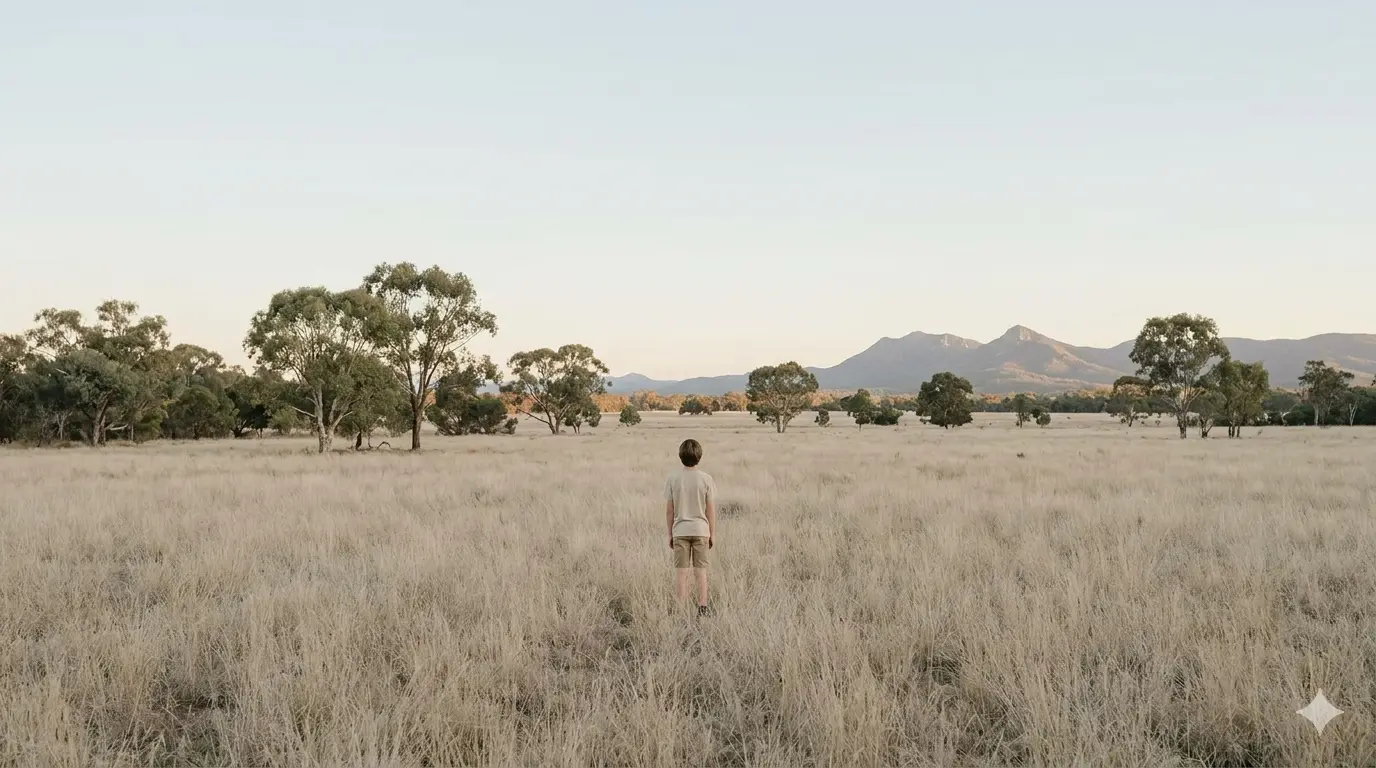
You don’t notice exactly when it starts. It’s not a panic attack triggered by a personal crisis. It’s a subtle feeling of helplessness that creeps in when you read a news story about the climate, see an image of a natural disaster, or notice that the seasons just don’t feel the same anymore. It’s a tightness in your chest when you think about the kind of world future generations will inherit.
Do you feel guilty every time you use plastic? Does the thought of large-scale climate change fill you with dread? What if this “eco-anxiety” wasn’t a sign of weakness, but proof of your deep connection and empathy with life? Understanding this feeling is the first step toward turning the paralysis of fear into a force for conscious action.
Eco-Anxiety vs. Everyday Environmental Concern: What’s the Difference?
Caring about the environment is healthy and necessary. However, the American Psychological Association (APA) defines eco-anxiety as a “chronic fear of environmental doom.” There’s a crucial difference we need to recognize:
- Environmental Concern: This is awareness of the problems. It moves you to recycle, vote mindfully, and support causes. It’s active and solution-focused.
- Eco-Anxiety: This is the alarm system that never shuts off. It’s the feeling that “no matter what I do, the end is inevitable.” That existential despair chips away at your mental health, causing insomnia, fatigue, and a sense of anticipatory grief for the planet.

Why Is Eco-Anxiety Growing So Fast?
This isn’t just in your head — the phenomenon is real and expanding, especially among young people. The constant flood of information and the feeling that change is beyond our individual control are the main fuel behind this new “default mode” of anxiety.
The Effect of Hyperconnectivity and Disaster News We’re exposed to 24-hour news cycles that prioritize shock and catastrophe. Watching the “end of the world” unfold in real time on our phone screens keeps our nervous system locked in a constant fight-or-flight state — with no actual way to fight or flee.
The Culture of Individual Guilt The burden of the climate crisis is often placed entirely on the shoulders of the individual consumer. This invisible pressure to be “perfect” at sustainability creates a crushing internal standard, where every small slip — like forgetting a reusable bag — becomes an anxiety trigger.
Micro-Habits to Transform Anguish Into Agency
Psychiatrist Judson Brewer and other experts suggest that to break anxiety cycles, our brains need “bigger, better offers.” Instead of fixating on what we can’t control, we redirect our focus to what we can.
The “Circle of Control” Technique Try this simple 5-minute exercise when environmental anxiety strikes:
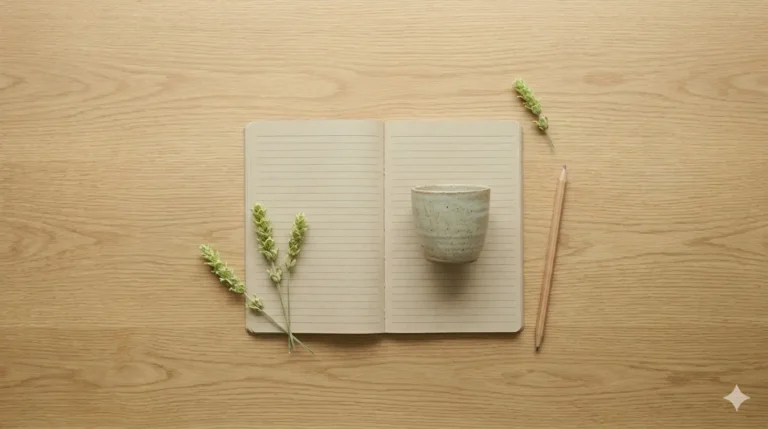
- Draw two circles. In the outer circle, write down global crises — the things beyond your control. In the inner circle, write what you actually do today: your garden, your choices, your voice.
- Put your energy into the inner circle. This gives your brain back its sense of agency and breaks the paralysis.
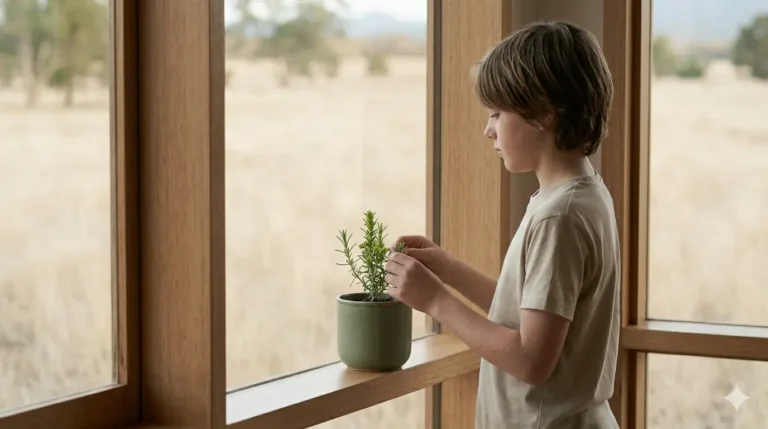
The Grounding Tea Ritual The ritual of making and drinking tea can be a way to honor nature and anchor yourself in the present moment.
Recommended Teas: Sideritis (Mountain Tea) or Valerian Root Infusion. These are plants that grow under resilient conditions and help lower cortisol levels, promoting steady, lasting calm.
Conclusion and Next Steps
Eco-anxiety is the price we pay for caring. It doesn’t have to be a sentence to depression — it can be a calling toward a more authentic, connected life. When we accept that we can’t carry the whole world on our shoulders, we gain the freedom to tend to the small piece of earth we actually live in.
Further Reading
- Constant Anxiety:https://thehealthliving.com/constant-anxiety-whats-behind-the-silent-rise-and-how-to-break-the-cycle-in-5-minutes/
- Mental Detox:https://thehealthliving.com/mental-detox-how-to-reduce-anxiety-by-cutting-the-noise-without-disappearing-from-the-world/
Sources and Inspiration
- American Psychological Association (APA) — Definitions and reports on the mental health impact of climate change and the concept of eco-anxiety.
- Judson Brewer — Research on the neuroscience of habit and how to channel anxiety into focused action.
- The Lancet Planetary Health — Studies and data on the prevalence of eco-anxiety across different global demographic groups.
Have you ever felt this “grief for the future”? What small action brings you peace today? Share in the comments below — let’s talk about how to grow hope together!
Transparency Note: This blog values originality and technology. The illustrations in this article were developed with the assistance of artificial intelligence to ensure a unique visual identity that is free of copyright restrictions.
