ℹ️ Note: This article contains affiliate links. As an Amazon Associate, I earn from qualifying purchases at no extra cost to you.
The Power of the “Minimum Viable”
Most of the time, when we decide to take care of our mental health, we try to change everything at once: “I’m going to meditate 30 minutes a day,” “I’m going to read a book a week,” “I’m going to completely unplug.” The result? Three days in, frustration kicks in and we quit.
What if the secret wasn’t intensity, but extreme simplicity?
Anxiety thrives on big expectations, because they create more pressure. Micro-habits break that cycle by focusing on actions so small they’re impossible to ignore. This is the 1-minute method that’s transforming the way we handle everyday stress.
What Are Micro-Habits and Why Do They Work?
Micro-habits are simplified versions of behaviors we want to adopt. Instead of “doing yoga,” the micro-habit is “doing one stretch when you wake up.”
Neuroscience explains why this is so effective through the concept of neuroplasticity. According to BJ Fogg, founder of the Stanford Behavior Design Lab, the human brain prefers small changes because they don’t trigger our “fear center” (the amygdala), which typically resists major routine shifts.
By repeating a 1-minute action, you build new neural pathways without the stress of self-criticism. You essentially trick your brain into starting to act.
7 Practical Micro-Habits to Overcome Anxiety
For a micro-habit to work, it needs to be attached to a routine you already have. Here are some examples:
The Mindful Tea Ritual It’s not about drinking the tea — it’s about the minute you spend waiting for the water to boil. Instead of reaching for your phone, simply feel the warmth of the mug in your hands and breathe in the scent of the herbs. That mental “space” cuts through the cognitive noise.
The Post-Notification Breathing Pause Every time your phone buzzes with a notification, take one deep breath before opening it. Just one. This breaks the automatic urgency response that technology wires into our nervous system.
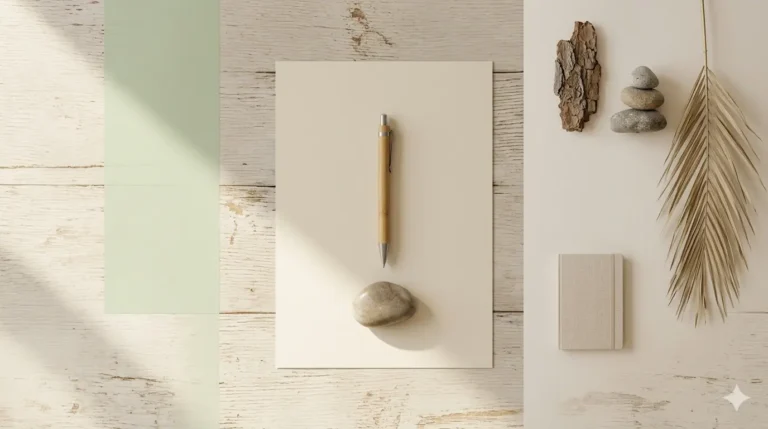
The Flat Lay Visual Checklist At the end of the day, place three objects on your desk that represent your priorities for tomorrow. Seeing physical order helps quiet the mental clutter.
Conclusion and Next Steps
Mental health isn’t a final destination — it’s a daily practice. The 1-minute method removes the barrier of resistance and lets you start right now. Don’t wait for perfect conditions; create small islands of calm inside your chaos.
Pick 1 habit from this list and start today. Which one will yours be? Tell us in the comments!
Further Reading
- Overthinking:https://thehealthliving.com/overthinking-how-to-stop-overanalyzing-without-fighting-your-own-mind/
- Nighttime Anxiety:https://thehealthliving.com/nighttime-anxiety-why-does-your-mind-race-right-when-its-time-to-sleep/
Sources and Inspiration
- BJ Fogg — PhD and researcher at Stanford, author of Tiny Habits. His Behavior Design methodology is the scientific foundation of this article.
- Stanford Behavior Design Lab — Research on habit formation and behavioral psychology.
- American Psychological Association (APA) — Guidelines on stress management and small behavioral interventions.
Transparency Note: This blog values originality and technology. The illustrations in this article were developed with the assistance of artificial intelligence to ensure a unique visual identity that is free of copyright restrictions.
