ℹ️ Note: This article contains affiliate links. As an Amazon Associate, I earn from qualifying purchases at no extra cost to you.
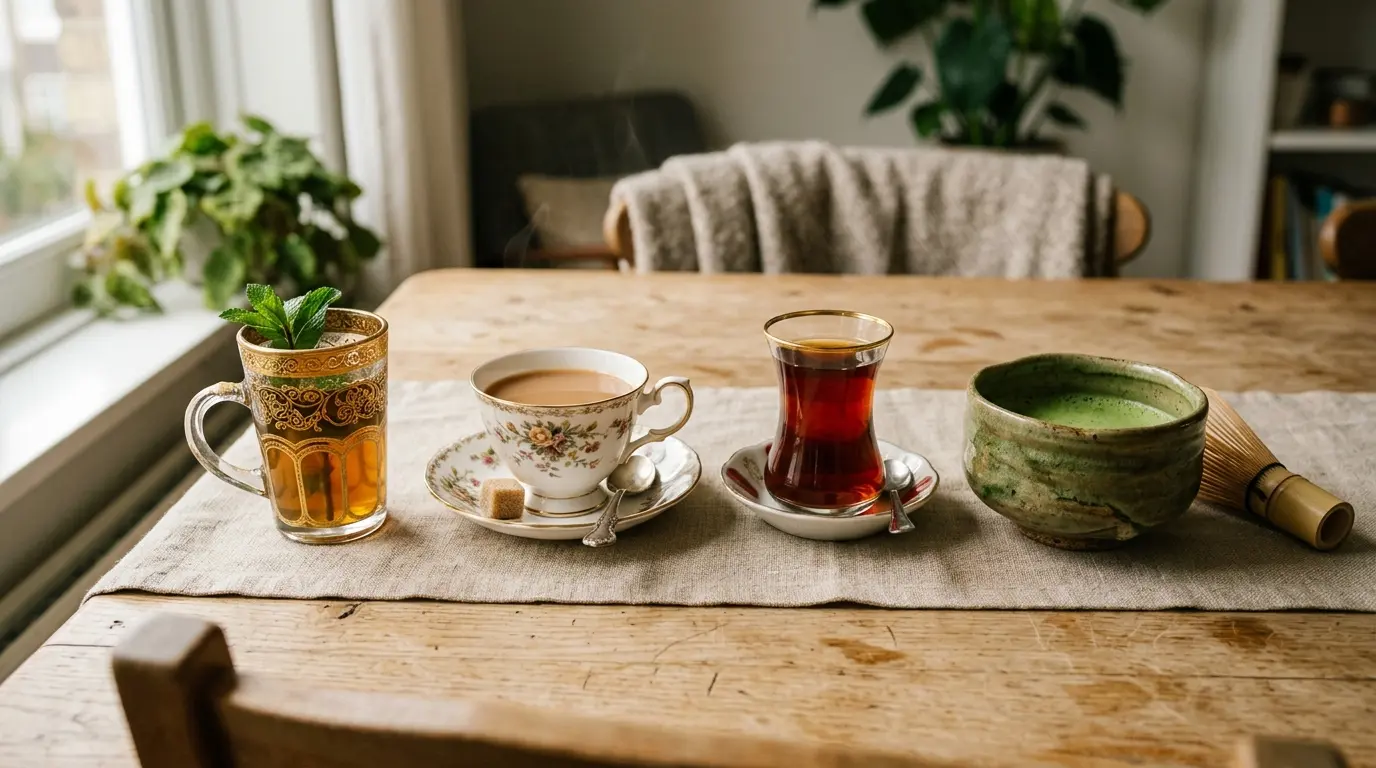
After water, tea is the most widely consumed beverage on the planet. Yet the way the leaves of Camellia sinensis (and its variations with local herbs) are prepared, served, and shared reveals deep truths about each people’s identity, hospitality, and pace of life.
In some corners of the world, drinking tea is a joyful act of welcome. In others, it is a quiet pause to restore inner peace, or a sacred moment of family gathering. Exploring the world’s tea traditions shows how a simple hot infusion can bring people together and turn small breaks into unforgettable rituals of well-being.
Tea as a Universal Language of Hospitality
Although the tea plant originated in Asia, its cultivation and consumption crossed oceans and adapted to local climates, ingredients, and philosophies. From the frozen peaks of the Himalayas to the scorching heat of the Sahara, offering a cup of tea is the ultimate gesture of welcome.
Unlike other drinks that often accompany rushed meals, tea service around the world shares some striking qualities:
- A Feast for the Senses: Every culture adds its own signature, whether it’s the bold aroma of fresh peppermint, the spicy kick of cardamom and ginger, or the creamy softness of milk.
- A Feast for the Eyes: Serving styles range from dizzying pours from high above to create foam, to short, precise infusions in tiny clay teapots.
- Unhurried Welcome: In nearly any culture, accepting a cup of tea means agreeing to slow down and give someone your time.

A Journey Through Global Tea Rituals
Every region has developed its own way of turning steeped leaves into a special moment of the day. Here is how tea comes to life in four distinct corners of the world:
- Morocco and North Africa: “Atay Bi Nana”
In Morocco, gunpowder green tea is boiled with generous handfuls of fresh mint leaves and sugar. Served in colorful, ornate glasses, the tea is poured from a metal teapot held high above the glass to create a layer of foam (regga). This foam doesn’t just keep the tea hot. It also shows that the tea was prepared with care and respect for the guest.
- Turkey: “Çay” in Tulip Glasses
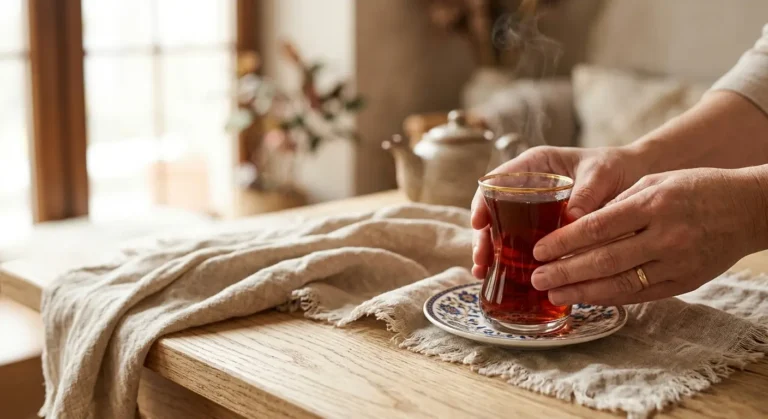
Turkey is one of the world’s biggest tea drinkers per person. Turkish black tea is made in a stacked double teapot (çaydanlık): water boils in the bottom pot, while a concentrated brew steeps in the top one. When it’s time to serve, in clear, tulip-shaped glasses (ince belli), each person chooses whether they want their tea stronger (demli) or lighter (açık).
- India: The Energizing “Masala Chai”
On the streets of India, chaiwallahs (tea makers) simmer strong black tea with whole milk, sugar, and a spicy blend of spices (karha) that includes cardamom, fresh ginger, cinnamon, clove, and black pepper. Traditionally served in small, disposable clay cups (kulhar), masala chai is the daily fuel that warms the body and wakes up the senses.
- China: The “Gongfu Cha” Method
In China, the birthplace of tea, the art of Gongfu Cha (“making tea with skill”) focuses on the pure flavor of oolong or pu-erh leaves. Using small Yixing clay teapots (zisha) and tiny tasting cups, the same leaves are steeped many times for just a few seconds each, revealing aromas that shift and evolve with every round.
Comparing Tea Traditions Around the World
Here is how these cultures balance ingredients, temperatures, and meanings in their daily rituals:
Country / Tradition | Tea Base | Added Ingredients | Traditional Vessel | Main Meaning |
Morocco (Atay) | Gunpowder green tea | Fresh mint and sugar | Decorated, colorful glass | Hospitality and deep friendship |
Turkey (Çay) | Rize black tea | Hot water to dilute | Clear tulip glass | Everyday togetherness and welcome |
India (Masala Chai) | Assam / CTC black tea | Milk, ginger, cardamom, spices | Clay cup (kulhar) or glass | Energy, inner warmth, and vitality |
China (Gongfu Cha) | Oolong or pu-erh tea | Pure, high-quality leaves only | Tiny ceramic cups | Connection with nature and tasting |
Where Exploring New Tea Cultures Helps (and Where It Doesn’t)
Exploring global tea traditions is a great way to expand your self-care repertoire and add variety to your daily routine:
When it’s a great ally:
- To break the monotony of your routine by discovering new combinations of flavors, botanicals, and spices.
- As a way to socialize and connect, gathering friends or family to try a traditional masala chai or mint tea recipe.
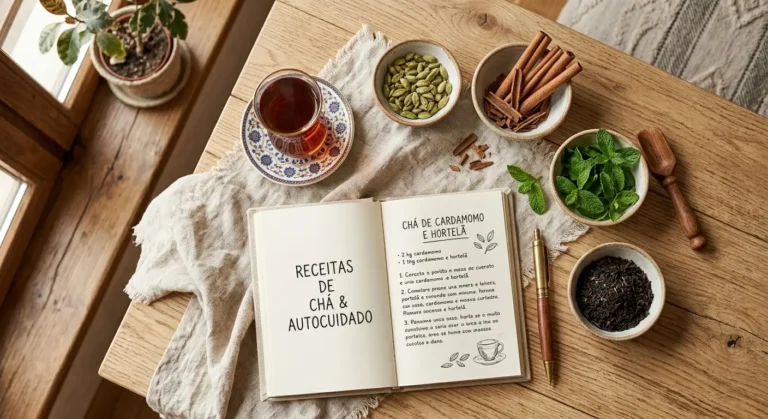
- To explore functional benefits, such as the digestive properties of ginger and cardamom or the refreshing effect of mint.
What it doesn’t replace:
- Sweetened teas (like traditional Moroccan or Indian tea) shouldn’t replace the daily hydration you get from plain water.
- Trying new traditions is a cultural and wellness exercise, but it is no substitute for specific medical or nutritional treatment.
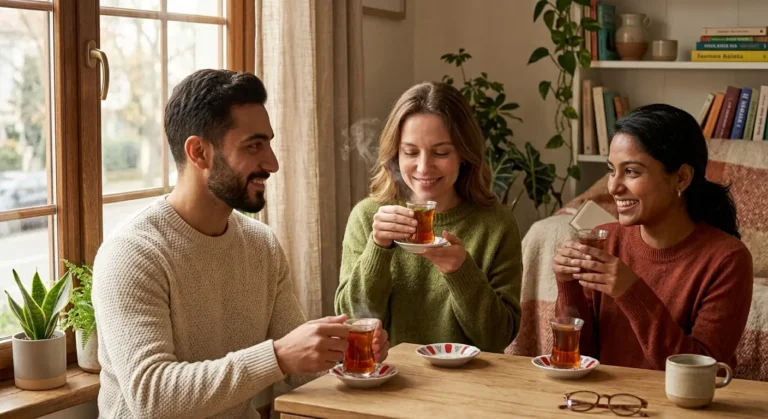
Conclusion: Small Rituals of Calm in an Age of Stress
Whether you prefer the meditative precision of Chinese ceramics, the vibrancy of Indian spices, or the clear elegance of the Turkish glass, preparing a cup of tea anywhere in the world is an act of care, for yourself and for the people around you.
In an increasingly digital and fast-paced world, borrowing small details from these global traditions, like letting the water come to a boil without rushing, savoring the aroma of the spices, or serving your tea in a special cup, offers a valuable reminder: life’s true richness lies in the ability to be present in the small pauses.
Sources and Inspirations
- Gautier, L. (2006). 100 Teas for Health and Vitality. Barron’s Educational Series. (An analysis of different plants, infusions, and tea-drinking customs in various regions of the world.)
- Saberi, H. (2010). Tea: A Global History. Reaktion Books. (A detailed study of the geographic spread of tea and the creation of social rituals on different continents.)
- World Tea Academy. (2021). Cultural Perspectives on World Tea Traditions. Professional Certification Courseware. (Documentation on regional brewing methods, traditional teaware, and intercultural etiquette.)
Continue Your Vitality Journey
Share Your Experience
Which of these tea traditions around the world caught your eye the most? Do you have a favorite way of making tea, or do you add spices to your own recipe? Leave a comment below and let’s chat!
Transparency Note: This blog values originality and technology. The illustrations in this article were developed with the assistance of artificial intelligence to ensure a unique visual identity that is free of copyright restrictions.
