
ℹ️ Note: This article contains affiliate links. As an Amazon Associate, I earn from qualifying purchases at no extra cost to you.
Cold water immersion has exploded in popularity on social media, in gyms, and in the routines of elite athletes. Popularized by practices like the Wim Hof Method and cryotherapy, it has gone from an extreme willpower challenge to one of the most widely studied tools in biohacking and physical recovery.
Sinking into a tub of water between 34°F and 50°F (1°C to 10°C) for just a few minutes triggers an immediate thermal shock. But behind the initial jolt and the gasp for air, there’s a fascinating biological chain reaction at work. It can speed up muscle recovery, reduce inflammation, build mental resilience, and boost your brain chemistry.
The Science of Cold Shock: What Happens in Your Body?
The moment your skin touches icy water, your nervous system detects an imminent threat to your body temperature. That instant response sets off a domino effect of physiological changes, designed to keep you alive and your body running at its best:
- Immediate Peripheral Vasoconstriction: The blood vessels in your skin and limbs tighten sharply, sending warm blood toward your core to protect your vital organs.
- A Neurochemical Cascade and Dopamine: Cold stress triggers a big release of norepinephrine, which sharpens focus and alertness. It also produces a sustained rise in dopamine, which can climb as high as 250% of baseline and stay elevated for hours after your dip.
- Reactive Vasodilation (the “Pump” Effect): When you get out and warm back up, your blood vessels quickly widen, flooding your tissues with fresh, oxygen-rich, nutrient-packed blood. This helps clear out metabolic waste faster.
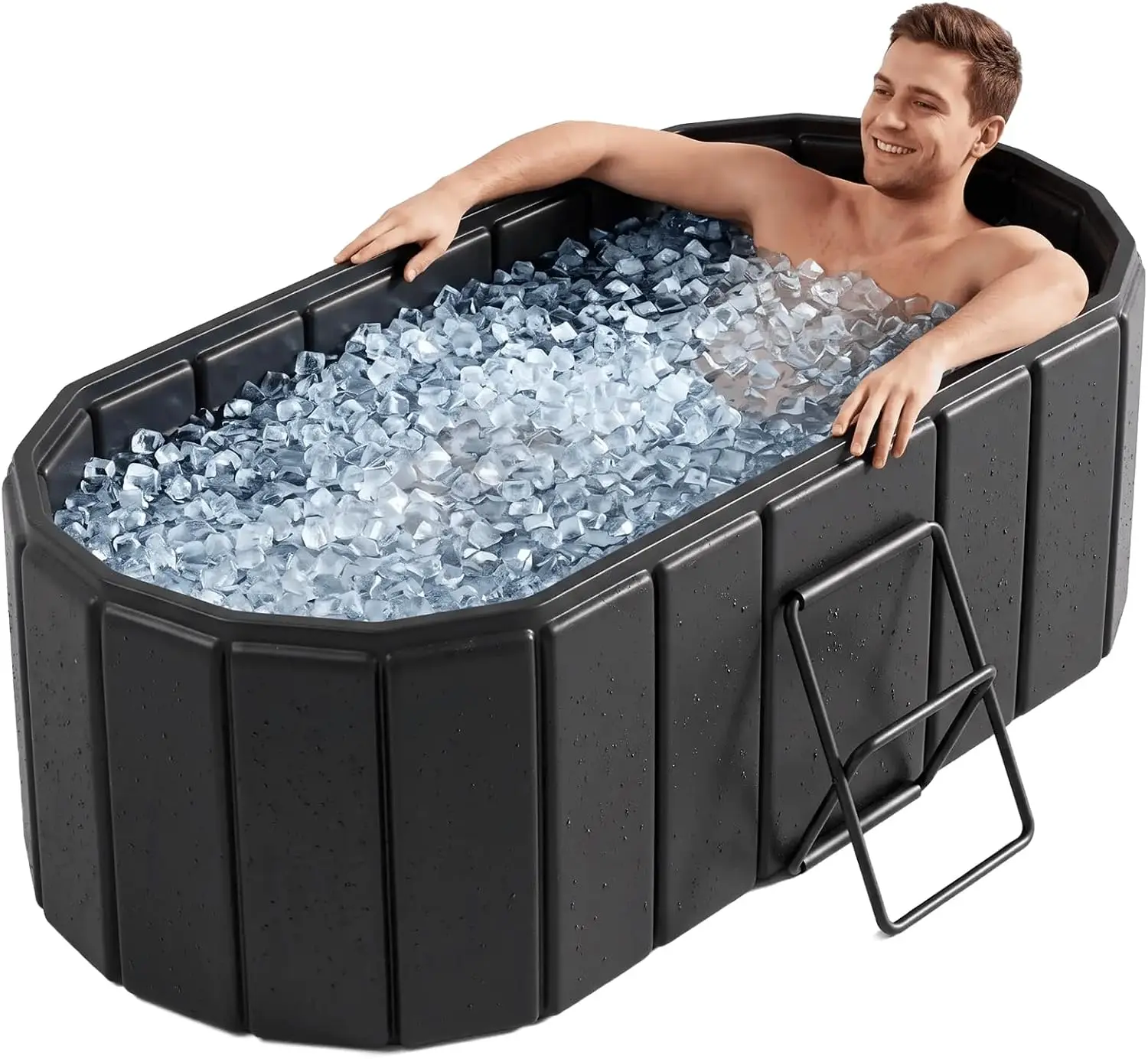
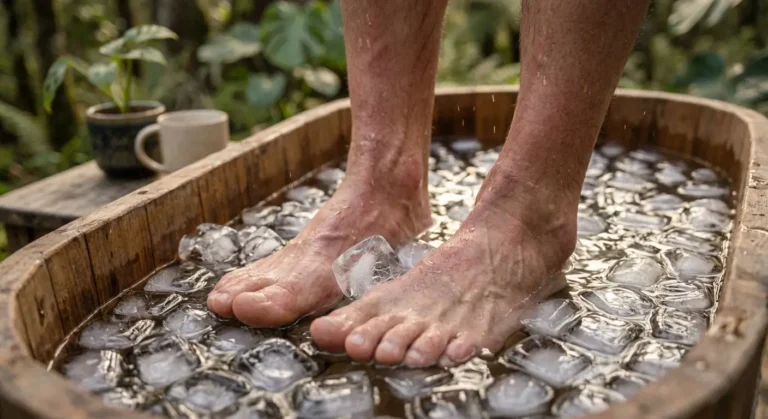
The Main Benefits of Cold Water Immersion
Used regularly and with guidance, ice baths offer a wide range of physical and mental benefits:
- Faster Muscle Recovery
Cold immersion reduces delayed onset muscle soreness (DOMS) and cuts down on swelling and tissue inflammation after intense strength or endurance workouts.
- Stronger Mental Resilience (the Anterior Cingulate Cortex)
Choosing to say “yes” to the discomfort of cold water trains your brain to override the urge to flee. This practice strengthens the midcingulate cortex, a brain region linked to willpower, discipline, and emotional control.
- Brown Fat Activation (Thermogenesis)
Cold activates brown adipose tissue, or brown fat. This is a biologically active type of fat, rich in mitochondria, that burns calories to produce heat and keep your body temperature steady.
- Immune and Inflammation Support
Controlled cold exposure lowers systemic inflammation markers (such as pro-inflammatory cytokines) and stimulates the production of white blood cells, strengthening your body’s natural defenses.
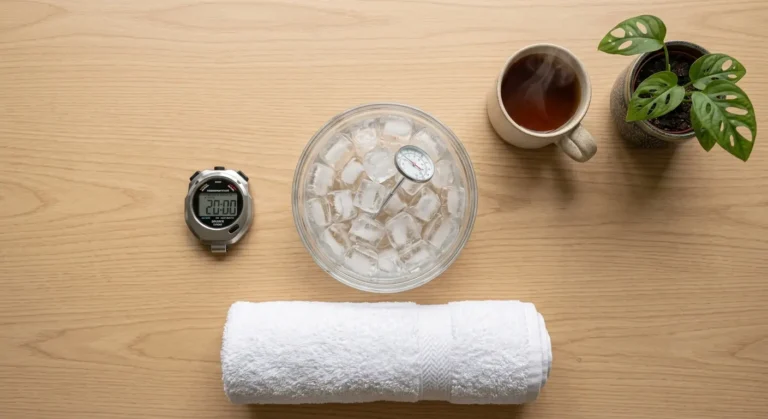
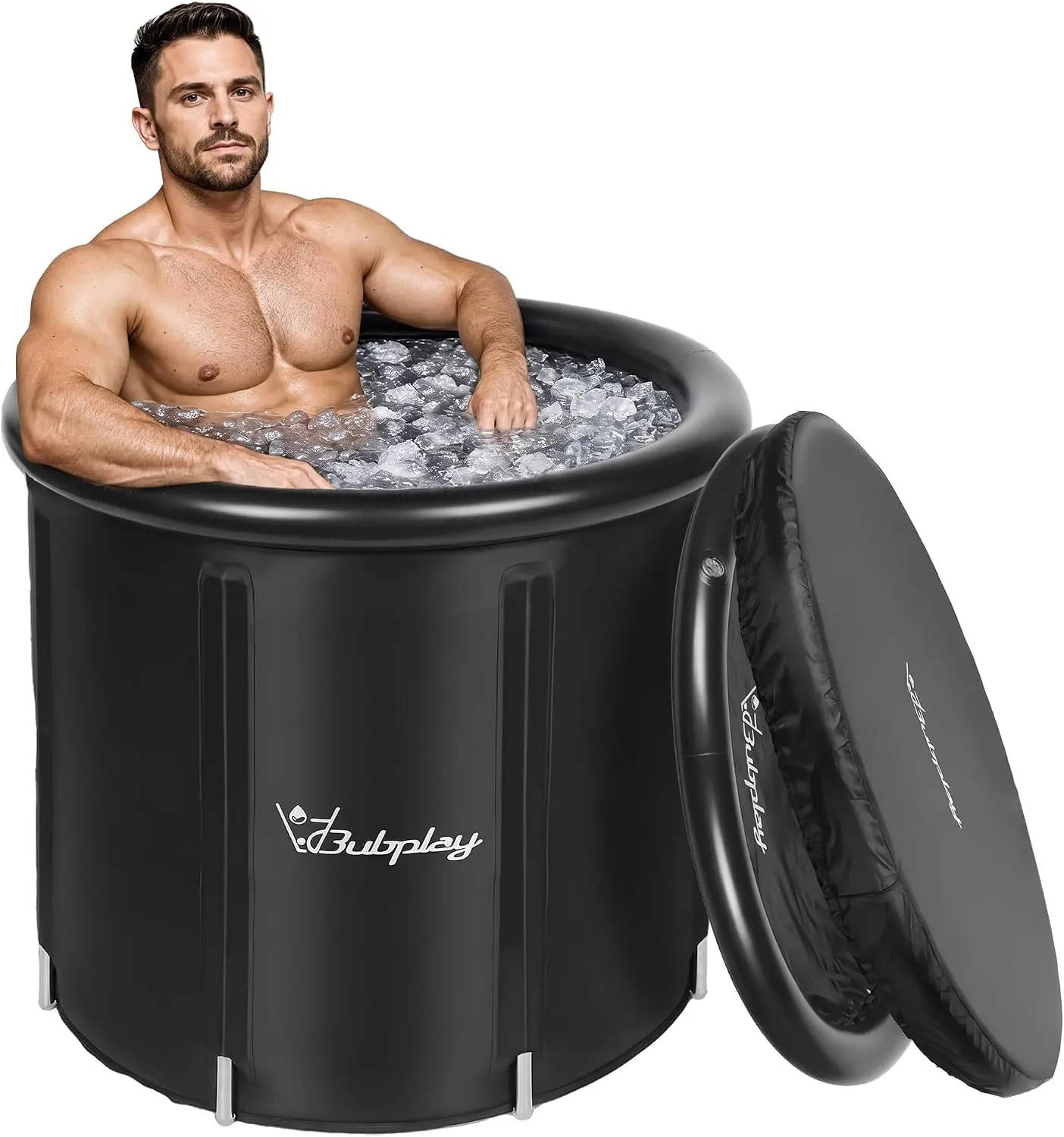
Ice Bath vs. Cold Shower: Which One Should You Choose?
Both are forms of cold exposure therapy, but they differ noticeably in how they affect your body:
Feature | Cold Shower | Ice Bath (Immersion) |
Water temperature | Varies (54°F to 64°F / 12°C to 18°C) | Controlled (34°F to 50°F / 1°C to 10°C) |
Intensity of the shock | Moderate and localized | High and full-body (hydrostatic pressure) |
Dopamine boost | Mild to moderate | High and long-lasting (up to 2.5x baseline for hours) |
Day-to-day convenience | Excellent (easy to do at home) | Takes preparation (ice, a bathtub or tub) |
Best used for | A daily morning ritual to wake you up | Post-workout recovery and resilience training |
How to Get Started Safely: A Practical Protocol
To get the benefits of cold without putting your health at risk, build up gradually:
- Start slow: If you’ve never done cold immersion, spend one or two weeks finishing your regular shower with 30 to 60 seconds of cold water before moving up to a tub.
- Stay in the therapeutic window: Just 2 to 5 minutes per session is enough to trigger all the beneficial responses. Staying longer won’t add benefits and raises your risk of hypothermia.
- Focus on controlled breathing: The initial panic will make you want to hyperventilate. Force long, deep exhales through your nose to signal your vagus nerve that your body is safe.
- Watch your post-workout timing: If your main goal is muscle growth (building lean mass), skip the ice bath for the first 60 to 90 minutes after strength training. Dampening the body’s natural inflammatory response may weaken the signals that drive muscle adaptation.
Precautions and Important Warnings
Because cold immersion puts significant stress on the cardiovascular system, it isn’t recommended for people with a history of heart conditions, uncontrolled high blood pressure, or Raynaud’s disease, or for pregnant women. Always talk to your doctor before starting any extreme cold exposure practice.

Conclusion: Mastering Your Mind Through Cold
An ice bath is much more than a wellness trend. It’s a mirror for how we handle the unexpected stress of life. When you learn to stay calm, control your breathing, and remain present in the face of intense cold, you teach your brain a valuable lesson: you can find clarity and peace in the middle of the storm.
Sources and Inspiration
- Šrámek, P., et al. (2000). “Human physiological responses to immersion into water of different temperatures.” European Journal of Applied Physiology. (A foundational study showing dopamine levels rising to as much as 250% and norepinephrine to 530% in response to cold water immersion.)
- Buijze, G. A., et al. (2016). “The Effect of Cold Showering on Health and Work: A Randomized Controlled Trial.” PLoS ONE. (Research showing fewer sick days and a greater sense of energy among people who took daily cold showers.)
- Peake, J. M., et al. (2017). “The effects of cold water immersion and active recovery on inflammation and cell stress responses in human skeletal muscle after resistance exercise.” The Journal of Physiology. (A study examining the molecular mechanisms behind immunity, recovery, and the dampening of muscle inflammation after exercise.)
Keep Going on Your Vitality Journey
- Minimalism in Your Routine: The Power of Saying “No” to Reclaim Time for Yourself
- Squishy Stress Toys: Real Sensory Relief or Just a Passing Fad?
Share Your Experience
Have you worked up the courage to try an ice bath, or would you rather start small with a cold shower? How did you feel when you got out of the water? Tell us about your experience in the comments below, and let’s talk!
Transparency Note: This blog values originality and technology. The illustrations in this article were developed with the assistance of artificial intelligence to ensure a unique visual identity that is free of copyright restrictions.
