ℹ️ Note: This article contains affiliate links. As an Amazon Associate, I earn from qualifying purchases at no extra cost to you.
The Hidden Warning Sign
You try to climb a flight of stairs carrying your groceries and notice that you run out of breath faster than before. Getting up from the couch, a subtle crack in your knees or a mild stiffness in your lower back starts to become part of your routine. We often brush off these small signs by saying it’s “just age catching up.” That gradual loss of vitality, the decline in muscle firmness, and the feeling that your body is becoming more fragile are your body’s “silent scream” — your metabolism alerting you that the physical foundation sustaining your life is weakening.
Our society is overly focused on the aesthetics of youth but ignores true long-term bodily autonomy. We’ve been conditioned to believe that aging inevitably means losing the ability to move freely. But modern biology disagrees. The wear and tear we associate with the passing years is not an inevitable fate — it’s the result of cellular disuse. This article isn’t about building muscles for the mirror; it’s about engineering a resilient body capable of keeping you active, strong, and independent for decades. Let’s discover how to activate your longevity through strength.
The Biology of Healthy Aging: Turning Back the Cellular Clock
To understand the real impact of movement, we need to talk about age-related muscle loss — a biological process known as sarcopenia. Starting at age 30, and far more noticeably after 40, we begin to lose roughly 3% to 8% of our muscle mass per decade if we do nothing to stop it. This loss doesn’t just affect physical strength; it disrupts metabolism, increases insulin resistance, and reduces daily caloric burn.
Healthy aging begins when we change this dynamic. Muscle tissue functions as a true endocrine organ. When properly stimulated, it releases substances called myokines, which fight systemic inflammation, improve cardiovascular health, and even protect brain function against cognitive decline. Pursuing muscle gain in adulthood isn’t vanity — it’s the smartest and most effective strategy for safeguarding your biological health and extending your years of active living.
The Pillars of Strength and Longevity
Building physical resilience after 40 requires a structured approach that respects physiology and drives the right adaptations. Here are the essential strategies for turning strength training into your greatest longevity ally:
- Longevity in Motion: Strength Training After 40
Starting or maintaining strength training after 40 calls for a focus on movement quality and smart load progression. The primary goal here is to recruit fast-twitch muscle fibers (Type II) — the first to atrophy with age, and the most critical for maintaining balance, agility, and explosive strength.
- Focus on Compound Exercises: Movements that use multiple joints at the same time — such as squats, deadlifts, and push-ups — recruit large muscle groups. They mirror everyday actions and stimulate the nervous system in an integrated way.
- Consistency Over Extreme Intensity: The ideal stimulus comes from regular training 3 to 4 times per week. More than lifting massive loads, the key lies in perfect execution and the continuous mechanical tension generated in the muscle.
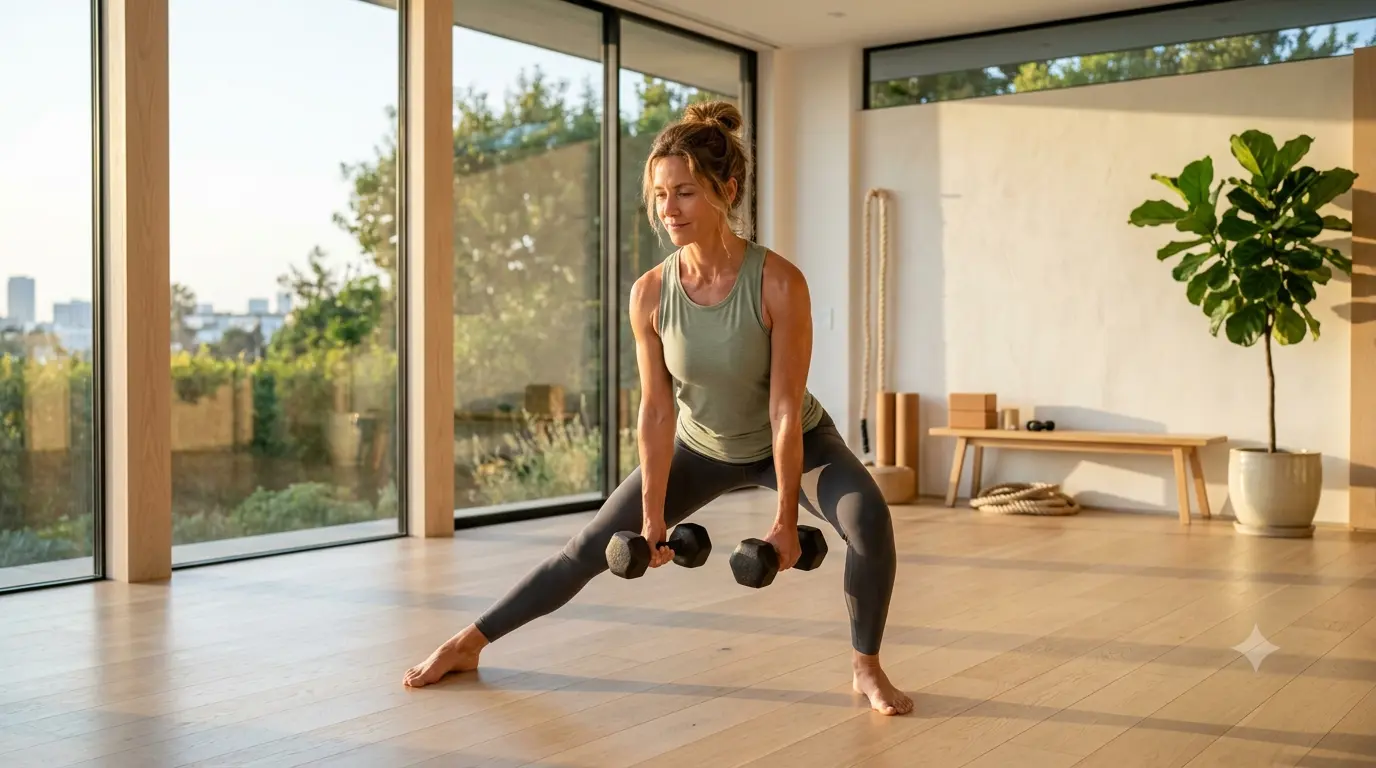
Practical Action: Start by prioritizing the squat (even if using just your own bodyweight, or simply sitting down and standing up from a firm chair). This movement strengthens the quadriceps and glutes — the primary muscles responsible for maintaining your mobility and protecting your knees over the long term.
- Structural Protection: Bone Health Beyond the Muscles
Strength training doesn’t just transform what we see on the outside — it reaches deep into our internal structure. Alongside muscle loss, aging accelerates the loss of bone mineral density, paving the way for osteopenia and osteoporosis.
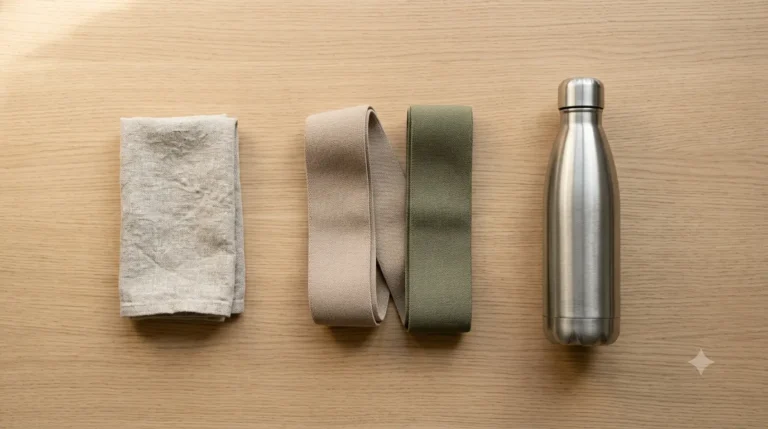
Bone health depends directly on mechanical stimulation. When a muscle contracts against resistance (such as a dumbbell or resistance band), it pulls on the tendon, which in turn exerts traction on the bone. This controlled physical stress signals bone cells (osteoblasts) to absorb more calcium and minerals, strengthening the bone matrix and making it significantly denser and more resistant to fractures.
Practical Action: Include weight-bearing and controlled-impact exercises in your routine. Strength exercises performed standing are excellent for stimulating bone density in the femur and lumbar spine — the regions most vulnerable as the years go by.
- The Cellular Ally: Creatine and Mitochondrial Energy
No longevity protocol focused on strength is complete without mentioning creatine. Extensively studied by medical science, creatine goes far beyond the world of bodybuilding. It’s a natural compound the body stores in the muscles to generate rapid energy during intense efforts.
As we age, our cells’ ability to produce ATP (cellular energy) declines. Creatine supplementation helps restore these energy stores quickly, improving performance in strength training and speeding up muscle recovery. On top of that, recent studies reveal a strong neuroprotective role, showing that creatine reduces mental fatigue and supports cognitive function in adulthood.
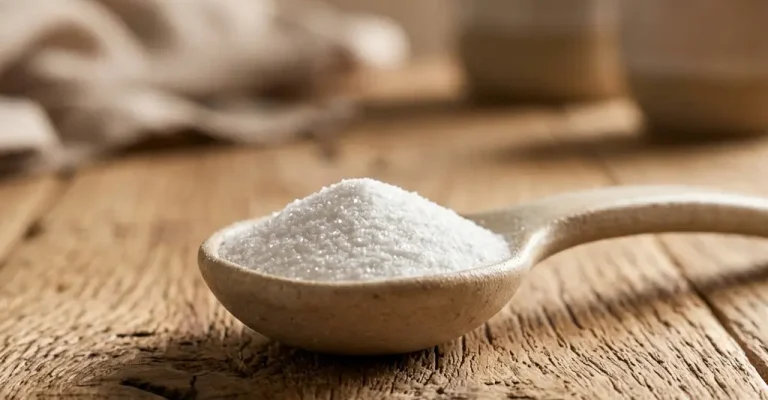
Practical Action: Consistent daily use of 3g to 5g of creatine monohydrate (including on rest days) is a safe, low-cost strategy to support both your muscle mass and your mental vitality. Always consult your healthcare provider to adjust the dose to your individual profile.
The Post-Workout Ritual: Nutrition and Teas for Recovery
- The Antioxidant Action of Green Tea: Having a cup of green tea a few hours after your workout helps modulate the healthy inflammation generated by exercise. Its polyphenols combat excessive oxidative stress, supporting muscle fiber recovery without negating your training gains.
- The Relief of Ginger: Known for its natural anti-inflammatory properties, ginger tea consumed throughout the day helps reduce delayed-onset muscle soreness (DOMS), allowing you to maintain your training consistency without excessive discomfort.
- Restful Recovery With Chamomile: True muscle hypertrophy and protein synthesis happen during deep sleep. A calming tea at night ensures your body reaches the relaxed state needed to repair the tissues stimulated during training.

Conclusion: Writing the Future of Your Body
Investing in strength training isn’t about delaying time — it’s about making sure every year you live is worth living. When you choose to build muscle mass, protect your bone health, and nourish your cells with strategies like creatine, you’re actively deciding how you want to age. Real longevity means having the strength to play on the floor with your grandchildren, travel without limitations, and carry your own luggage. Your future body depends on the choices and movement you practice today.
Sources and Inspiration
- Westcott, W. L. (2012). “Resistance Training is Medicine: Effects of Strength Training on Health.” Current Sports Medicine Reports. (Detailed study demonstrating the benefits of strength training in reversing muscle aging and improving metabolic function.)
- Candow, D. G., et al. (2019). “Creatine Supplementation for Older Adults: Focus on Sarcopenia, Osteoporosis, and Cognitive Function.” Biomedicines. (Comprehensive scientific review on the efficacy and safety of creatine in protecting bone, muscle, and cognitive health in older adults.)
- Hong, A. R., & Kim, S. W. (2018). “Effects of Resistance Exercise on Bone Health.” Endocrinology and Metabolism. (Clinical research validating the fundamental role of mechanical contraction exercises in increasing bone mineral density and preventing osteoporosis.)
Continue Your Vitality Journey
- Neuroscience and Tea:https://thehealthliving.com/elementor-2890/
- Minimalism in Your Routine:https://thehealthliving.com/minimalism-in-your-routine-the-power-of-saying-no-to-reclaim-time-for-yourself/
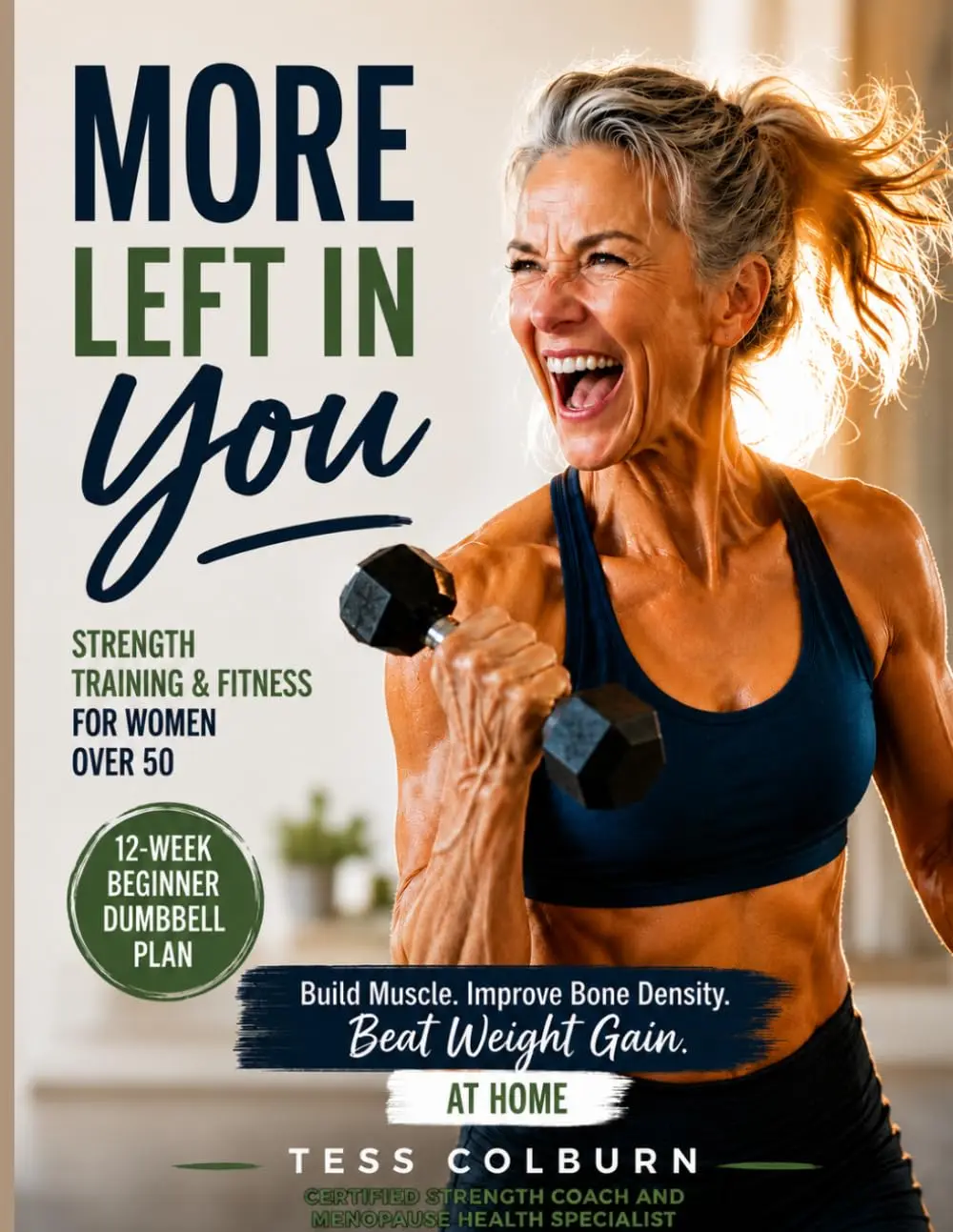
Share With Us: Do you already include strength training in your weekly routine, or do you still have some hesitation about getting started? Which of these pillars do you want to work on first? Write your experience in the comments below and let’s walk together toward a long, strong life!
Transparency Note: This blog values originality and technology. The illustrations in this article were developed with the assistance of artificial intelligence to ensure a unique visual identity that is free of copyright restrictions.
