ℹ️ Note: This article contains affiliate links. As an Amazon Associate, I earn from qualifying purchases at no extra cost to you.
What if I told you that, while the world chases fleeting trends and artificial energy drinks, billions of people stop everything, every single day, for the same reason?
It is not just thirst. It is not just habit. It is a phenomenon that spans millennia, survived empires, and today ranks second only to water in global consumption. Have you ever stopped to think about what exists inside a cup that manages to be so universal — uniting a monk in Japan, a nomad in the Sahara, and an executive in London?
Tea is not just a drink; it is humanity’s silent language. If you feel like something is missing from your routine to bring balance, understanding why the world chose tea may be the key to transforming your health and your connection to the present moment.
The Ubiquity of Camellia Sinensis
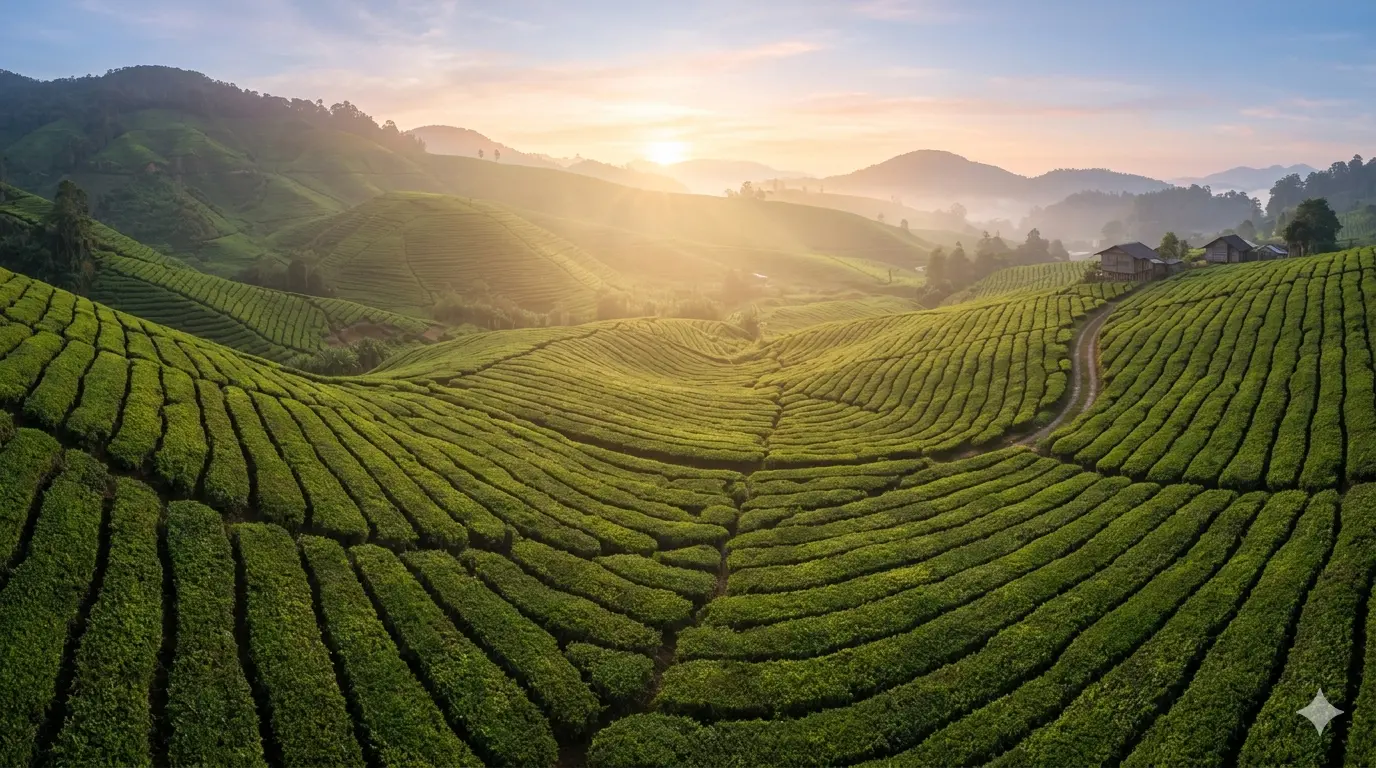
To understand this dominance, we need to talk about the plant. Every “true tea” — whether green, black, white, oolong, or dark — comes from a single species: Camellia sinensis.
Unlike coffee, which requires very specific altitudes and climates, Camellia sinensis is resilient. It adapts, it endures. This botanical versatility allowed tea culture to spread across vastly different geographies, making it accessible to royalty and field workers alike. It is the democratic drink par excellence.
The Perfect Balance Between Alertness and Calm
The great secret of tea — what sets it apart from sodas and other caffeinated drinks — lies in its unique neurochemistry.
- L-Theanine: This amino acid is found almost exclusively in tea. It promotes relaxation without causing drowsiness.
- Caffeine (Theine): Unlike the “spike and crash” of coffee, the caffeine in tea is released slowly and steadily, thanks to its tannins.
The result? What we call “calm alertness.” It is the perfect drink for anyone who needs cognitive focus without the anxiety or jitteriness that other energy sources can bring. In an overstimulated world, tea offers what we are all looking for: productivity with peace of mind.
An Unbreakable Cultural Bond
From the British Afternoon Tea to the Japanese Chanoyu ceremony, tea has become the social glue of civilizations. In many cultures, offering tea is the first act of hospitality. It is impossible to be in a rush while drinking a hot cup of tea — the very temperature of the drink sets a slower pace, an invitation to conversation and active listening.
Anchoring Yourself in the Present
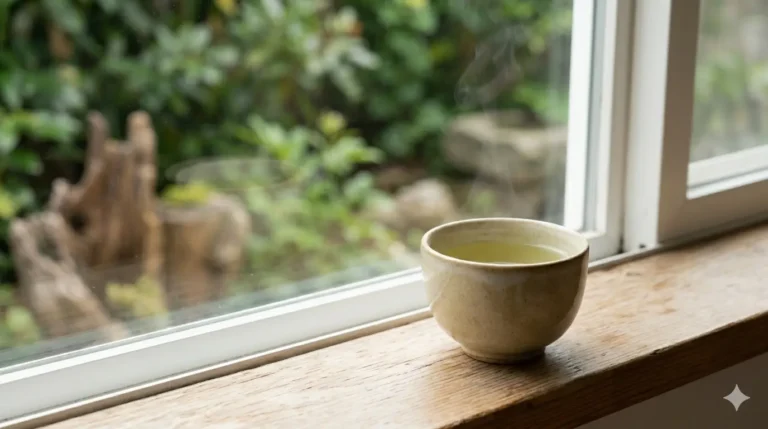
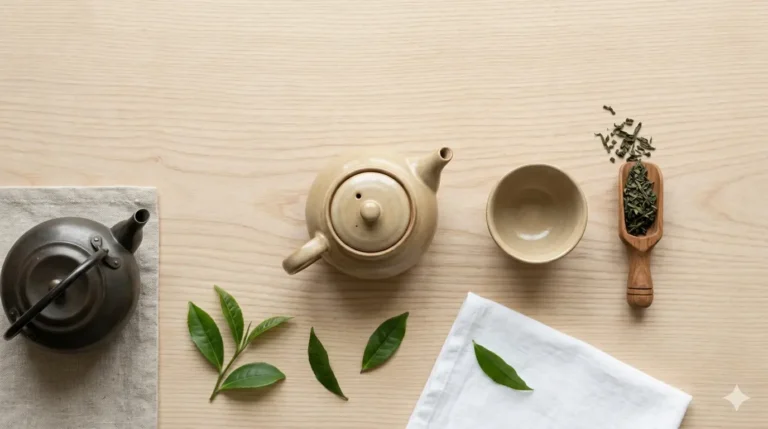
More than hydration, preparing tea is an exercise in applied mindfulness.
The Conscious Pause Ritual:
- The Choice: Select high-quality leaves (loose-leaf tea whenever possible).
- The Water: Watch the first bubbles rise. For green teas, do not let it reach a full boil (stop at 175°F / 80°C).
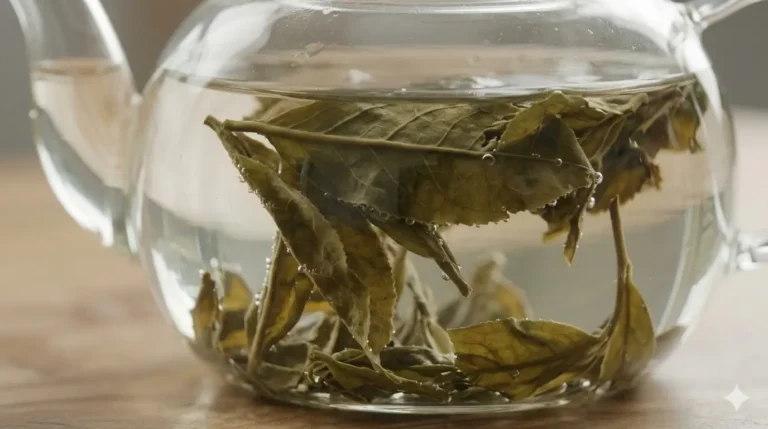
- The Steep: Time it for 3 minutes. Watch the leaves “dance” and open up. This is the time you give your thoughts to settle.
- The Tasting: Feel the warmth of the cup in your hands before the first sip. Use this moment as a dividing line between the chaos of the day and your center of calm.
Conclusion and Next Steps
Tea is the second most consumed drink in the world because it meets a human need that goes beyond biology: the need for meaning and pause. It heals the body with polyphenols and soothes the soul through ritual.
The next time you put the kettle on, remember that you are connecting yourself to a lineage of billionsDo you already have a daily tea habit, or are you still exploring this world? Leave a comment below and share your favorite moment for a cup!
Further Reading
- The True Origin of Tea:https://thehealthliving.com/the-true-origin-of-tea-between-ancient-legends-and-the-revelations-of-modern-archaeology/
- Who Discovered Tea?https://thehealthliving.com/who-discovered-tea-the-fascinating-journey-of-the-pioneers-who-revealed-the-secret-of-camellia-sinensis/
Sources and Inspirations
- Food and Agriculture Organization (FAO): Global reports on tea consumption and production trends (2024–2026).
- Tea Council of the USA: Statistical data on the health benefits and social impact of Camellia sinensis.
- Journal of Physiological Anthropology: Studies on the effects of L-Theanine and the relaxation induced by the tea ritual.
Do you already have a daily tea habit, or are you still exploring this world? Leave a comment below and share your favorite moment for a cup!
Transparency Note: This blog values originality and technology. The illustrations in this article were developed with the assistance of artificial intelligence to ensure a unique visual identity that is free of copyright restrictions.
