
ℹ️ Note: This article contains affiliate links. As an Amazon Associate, I earn from qualifying purchases at no extra cost to you.
What If Anxiety Wasn’t Too Many Problems — But Too Much Noise?
You don’t notice exactly when it starts. It’s not a sudden breakdown. It’s more like a tiredness that sleep doesn’t fix. A persistent mental hum, as if your mind were a TV stuck on a dead channel — broadcasting pure static. A constant urge to check your phone, even when you know there’s nothing new there.
Do you feel like your mind is always “full”? Like even the smallest task feels like a mountain? What if your constant anxiety wasn’t a flaw in you, but the predictable result of subjecting your brain to a relentless bombardment of stimuli? Understanding that mechanism is the first step toward taking back control. A mental detox isn’t about retreating to a cave — it’s about learning to filter the world so it stops drowning you.
What Is “Decision Fatigue” and Information Overload Syndrome?
Not all anxiety is the same. The National Institute of Mental Health (NIMH) describes anxiety as a normal reaction to stress. But modern life has created a new category of stressor: sensory excess.
- Decision Fatigue: Every notification, email, or headline you consume demands a micro-decision from your brain — “Is this important? Should I click? How do I respond?” This process silently drains your mental energy, depleting your brain’s cognitive resources one tiny choice at a time.
- Information Overload: The human brain was never designed to process the massive volume of data we consume every day. This constant digital state of alert keeps our nervous system under continuous tension, feeding chronic anxiety. The result is paralysis and burnout.

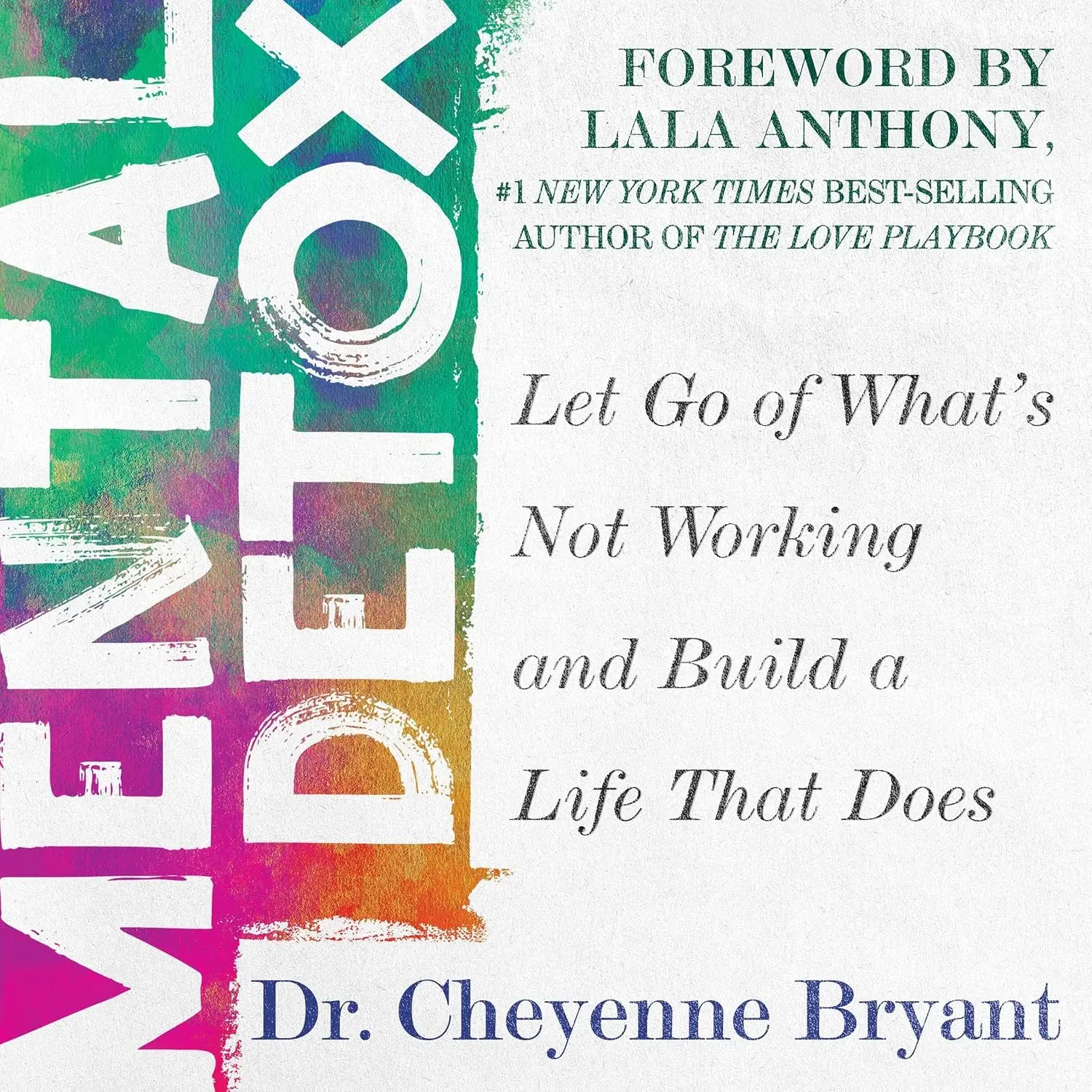
Why We’re So Mentally Exhausted (Data and Lifestyle)
This isn’t just a feeling — mental exhaustion is more widespread than ever. Data from organizations like the World Health Organization (WHO) show a global rise in reported stress and anxiety levels. But why is this happening? The answer lies largely in our hyperconnected way of life.
The Cost of Hyperconnectivity Our brains are constantly bombarded by notifications, breaking news, and the seemingly perfect lives on display across social media. This digital “state of alert” keeps our nervous system under continuous tension. We’re always “on” — which means we’re never truly at rest.
The Culture of Toxic Productivity Today’s society glorifies the grind. There’s an invisible pressure to always be busy, always producing, always “optimizing.” That internal demand to never fall behind creates a latent fear of failure — of not being “enough” — and that fear becomes fertile ground for anxiety to take root.
Micro-Habits That Break the Cycle Without Leaving the World Behind
Psychiatrist Judson Brewer suggests we can rewire our habits to break these cycles. The good news is that you don’t need sweeping changes to get started. Small actions can lead to big results.
The Visual Anchoring Ritual
Vision is our dominant sense. Using intentional visual focus can pull the mind out of the loop of intrusive thoughts and bring it back to the present. Try this simple exercise:
- Focus on a single natural object — a leaf, a drop of water, a stone.
- Observe the details. Notice the texture, the color, the imperfections.
- Hold your focus for 2 minutes. If your mind wanders, gently bring it back to the object.This visual anchoring activates “being” mode, dialing down the relentless “doing” mode.

The Presence
More than just a drink, the ritual of preparing and drinking tea can be a powerful anxiety interrupter. The process forces you to slow down: boiling the water, waiting for the steep, breathing in the aroma.
- Recommended Teas: Chamomile, Passionflower, or Valerian Root — all well known for their calming properties.

Conclusion and Next Steps
A mental detox isn’t a sentence to isolation — it’s an act of intentional self-care. When you understand that anxiety is often a learned pattern shaped by your environment and habits, you gain the power to change it. Start today with just one of these 5-minute micro-habits. Today’s small win lays the groundwork for tomorrow’s clarity.
Further Reading
- Nighttime Anxiety:https://thehealthliving.com/nighttime-anxiety-why-does-your-mind-race-right-when-its-time-to-sleep/
- Overthinking:https://thehealthliving.com/overthinking-how-to-stop-overanalyzing-without-fighting-your-own-mind/
Sources and Inspiration
- National Institute of Mental Health (NIMH) — Data and definitions on Anxiety Disorders drawn from official NIMH publications for technical accuracy.
- World Health Organization (WHO) — Global data on stress and burnout drawn from official WHO publications.
- Judson Brewer — His research on neuroscience and habits, including the book The Craving Mind and the program Unwinding Anxiety, were key foundations for understanding anxiety as a learned cycle.
Do you recognize that “mental hum” in yourself? Which of these micro-habits will you try first? Share in the comments below — let’s talk about breaking this cycle together!
Transparency Note: This blog values originality and technology. The illustrations in this article were developed with the assistance of artificial intelligence to ensure a unique visual identity that is free of copyright restrictions.
