ℹ️ Note: This article contains affiliate links. As an Amazon Associate, I earn from qualifying purchases at no extra cost to you.
The Silence That Screams
We often associate aging with inevitable decline — pills on the nightstand, limited mobility, and fading memory. This fear of the future is the “silence that screams” in our culture, one that glorifies fleeting youth but forgets to cultivate real longevity. Yet modern science and the study of the so-called Blue Zones — regions where people routinely live past 100 in good health — reveal something remarkable: genetics accounts for only about 20% of our longevity.
The other 80%? It’s in our hands. We’re not talking about complex biohacking or expensive supplements, but about foundational habits that signal safety, purpose, and vitality to our cells. Living longer isn’t just about adding years to life — it’s about adding life to years. Let’s explore how centenarians around the world protect their energy and health.
The Science of Active Aging

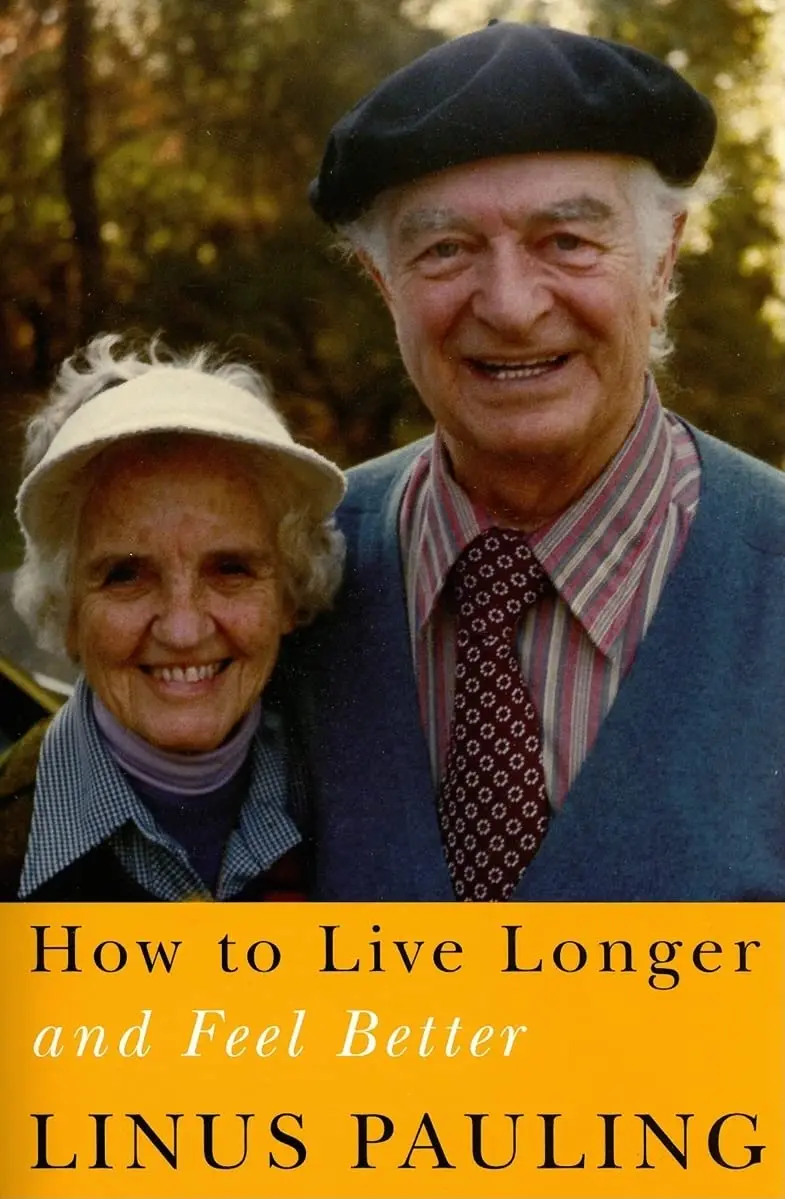
Biological aging is closely linked to low-grade chronic inflammation, also known as inflammaging. In the world’s longest-living populations, this inflammation is kept in check through a lifestyle that supports cellular regeneration and mitochondrial health.
These communities don’t “exercise” in the modern sense of hitting the gym — they live in environments that naturally keep them moving. They don’t follow restrictive diets — they eat what the land provides. Most importantly, they maintain strong social support networks that dramatically lower cortisol levels, the stress hormone that shortens telomeres (the protective caps on our DNA). Longevity, therefore, is a systemic phenomenon.
The Blue Zones Method: 7 Habits to Start Today
Based on the study of populations in Okinawa (Japan), Sardinia (Italy), and Ikaria (Greece), here are the habits you can adapt to your own routine:
- Natural Movement
No marathons needed. The secret is constant, low-intensity movement — walking, tending a garden, taking the stairs.
- Practical Action: Try standing up every hour during work or taking short walks after meals.
- The 80% Rule (Hara Hachi Bu)
In Okinawa, people stop eating when they feel about 80% full. This prevents metabolic overload and oxidative stress.
- Practical Action: Eat slowly and away from screens. The feeling of fullness takes around 20 minutes to reach the brain.
- A Sense of Purpose (Ikigai)
Knowing why you wake up every morning can add up to seven years to your life expectancy. Having an Ikigai gives your brain a reason to keep regenerating.
- A Plant-Based Diet
While most centenarians are not strictly vegan, the foundation of their diet is beans, whole grains, seasonal vegetables, and an abundance of fresh herbs.
- Slowing Down (Stress Down)
Even centenarians experience stress — but they have rituals to release it: an afternoon nap, a moment of prayer, or a tea ritual.
- Social Belonging
Loneliness is as harmful as smoking. Maintaining real, deep connections with friends and family actively strengthens the immune system.
- Functional Hydration
They don’t just drink water — they sip polyphenol- and antioxidant-rich herbal infusions throughout the day.
The Tea Ritual: An Elixir for a Long Life
- Sideritis Tea (Greek Mountain Tea): Widely consumed in Ikaria, it is rich in flavonoids and has powerful anti-inflammatory properties that help protect cardiovascular and cognitive health.
- Green Tea (Okinawa’s Secret): An unmatched source of EGCG (epigallocatechin gallate), an antioxidant that fights free radicals and protects DNA from premature aging.
- Sage and Rosemary Infusion: Mediterranean herbs that support memory and digestion — daily rituals that keep the mind sharp even past the age of 90.

Conclusion: Longevity Starts Now
Living longer is not a distant destination — it is a series of small choices made in the present. Every cup of antioxidant-rich tea, every walk in the sun, and every genuine moment of connection with the people we love is a deposit into your “health account.” The method of the world’s longest-living people teaches us that the secret is not to fight against time, but to flow with it — honoring the rhythm and needs of our own biology. Why not start one of these 7 habits today?
References
- Buettner, D. (2012). The Blue Zones: 9 Lessons for Living Longer From the People Who’ve Lived the Longest. (The landmark study on longevity regions.)
- Passarino, G., et al. (2016). “The role of genetics and lifestyle in human longevity.” Human Genetics. (On the balance between habits and genetics.)
- Willcox, D. C., et al. (2014). “The Okinawa Diet: Health Implications of a Low-Calorie, Nutrient-Dense, Antioxidant-Rich Dietary Pattern Low in Glycemic Load.” Journal of the American College of Nutrition.
Continue Your Wellness Journey
- Mental Energy: https://thehealthliving.com/mental-energy-how-to-reclaim-your-focus-in-a-world-full-of-distractions/
- The Nighttime Ritual:https://thehealthliving.com/the-nighttime-ritual-that-can-transform-your-sleep-and-your-energy-the-next-day/
What’s Your First Step? Which of these 7 habits do you feel is the easiest to start applying in your life this week? Leave a comment and inspire others to live better!
Transparency Note: This blog values originality and technology. The illustrations in this article were developed with the assistance of artificial intelligence to ensure a unique visual identity that is free of copyright restrictions.
