ℹ️ Note: This article contains affiliate links. As an Amazon Associate, I earn from qualifying purchases at no extra cost to you.
Have you ever had one of those mornings when your body just doesn’t seem to “turn on”? The day gets going, but a feeling of sluggishness and heaviness refuses to let go. Often, that is “the silence that speaks volumes” — a cry for real stimulation, something that comes from within and naturally awakens the nervous system and metabolism, without relying on artificial energy spikes.
Ginger Tea is that force of nature. Spicy, aromatic, and warming, it is a true tonic that not only wakes the body up, but also strengthens immunity and aids digestion, making the whole day feel lighter.
Heat the water: Bring the water to a boil over the stove. Unlike tea leaves, ginger needs full heat to release its properties.
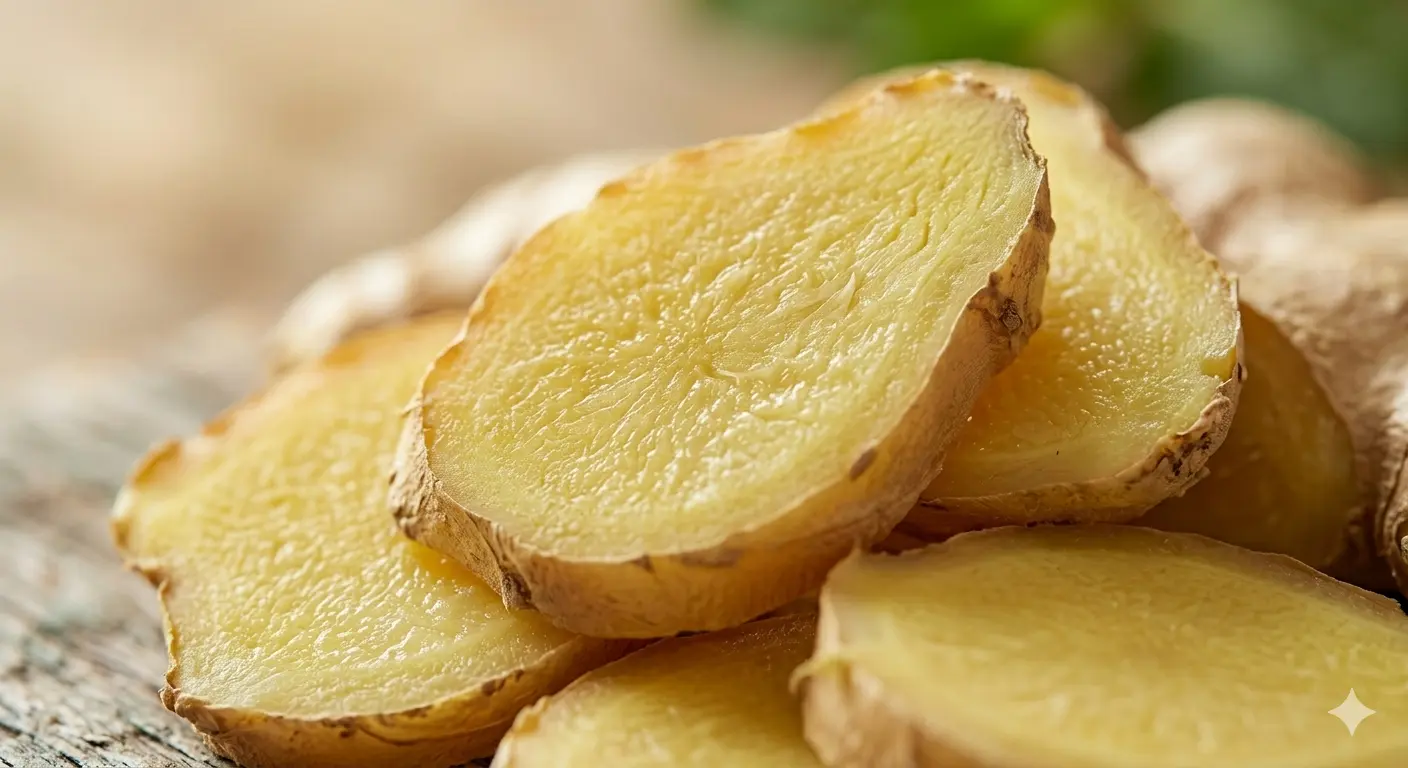
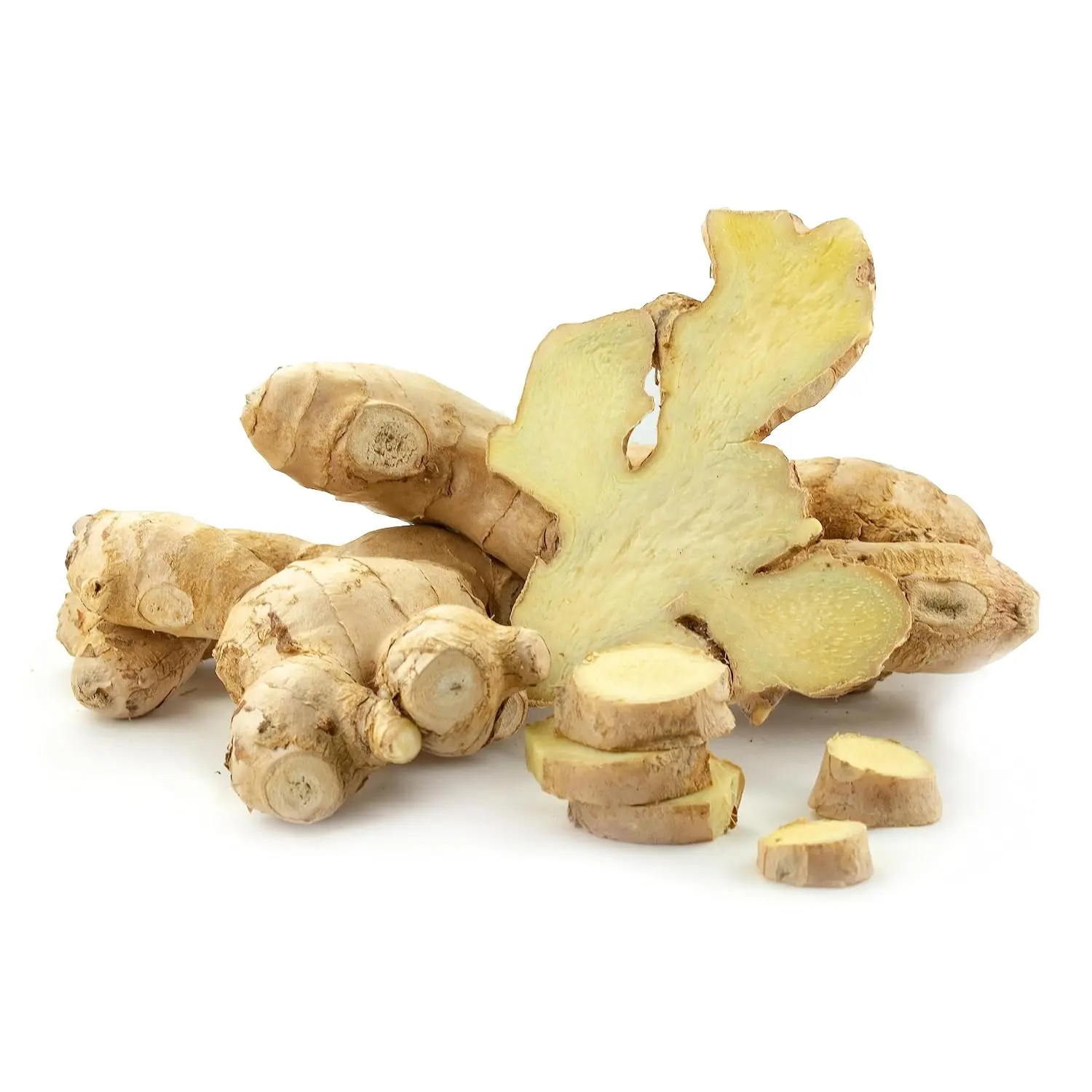
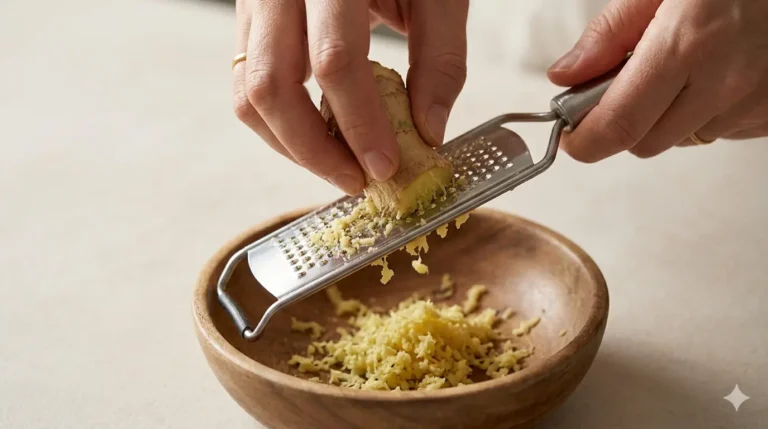
Prep the root: While the water heats up, wash the ginger well and peel it if you prefer. Grate it for a more intense flavor, or slice it thinly for something milder.
The infusion: Add the ginger to the boiling water, lower the heat, and let it simmer for 5 to 10 minutes, depending on how strong you like it.
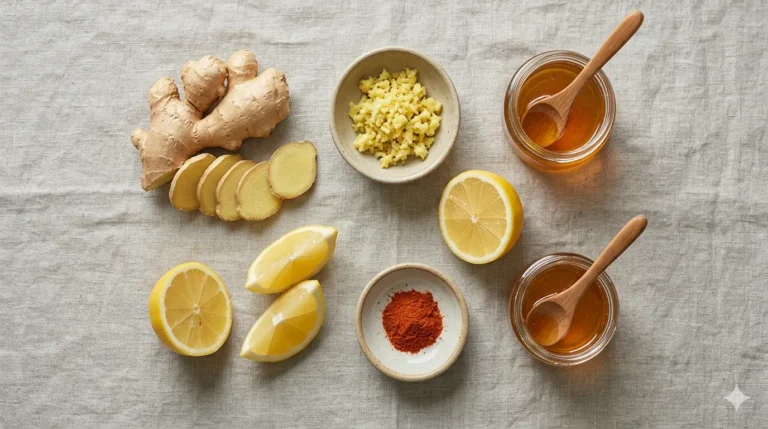
Finishing touch: Turn off the heat, strain the tea, and add the lemon juice and cayenne pepper if using. Stir gently and serve immediately to enjoy it at its warmest.
Why Is It Good for You?
Boosts Metabolism: Its thermogenic properties help the body burn calories more efficiently.
Natural Anti-inflammatory: Helps relieve muscle and joint pain.
Heads Up & Contraindications
Low Blood Pressure: People with hypotension should consume ginger tea in moderation, as it may lower blood pressure further.
Blood Thinners: Ginger has a natural anticoagulant effect; consult your doctor if you are taking medications of this type.
Bleeding Disorders: Should be avoided by people prone to bleeding without medical guidance.
Sources of Inspiration
Clinical studies on ginger’s anti-inflammatory and analgesic properties.
Ayurvedic Medicine traditions for the use of ginger in strengthening Agni (digestive fire).
Herbal medicine guide for thermogenic medicinal plants.
Transparency Note: This blog values originality and technology. The illustrations in this article were developed with the assistance of artificial intelligence to ensure a unique visual identity that is free of copyright restrictions.
Welcome to our wellness corner! Here you will find light and practical content about natural health, teas and balance to live with more energy and serenity. 🌿✨