
Introduction
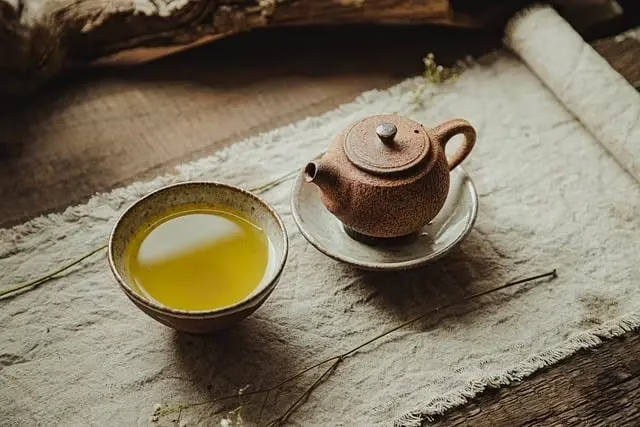
Among the countless types of tea produced in Asia, Yellow Tea is perhaps the most mysterious and least known—but also one of the most sophisticated. Originating in China, this rare tea combines the delicacy of green tea with the body and smoothness of oolong tea, resulting in a beverage that is unique in flavor, aroma, and therapeutic properties.
Although it was created centuries ago, Yellow Tea remains a precious commodity reserved for a few connoisseurs. In this article, you will discover its origin, the artisanal process that makes it so special, the different existing types, and the benefits this drink can bring to your health and well-being.
What is Yellow Tea?
Yellow Tea (黃茶, huángchá in Chinese) is a variety of tea produced mainly in China and, to a lesser extent, in Korea. It is considered an intermediate category between green tea and oolong tea, both in flavor and processing.
The main difference lies in a unique step called “encapsulation” or “yellowing,” which consists of allowing the leaves to be lightly covered and steamed for a short period. This process causes the tea to oxidize slowly and in a controlled manner, developing smooth notes, a sweet aroma, and a characteristic golden color.
The result is a tea that is less astringent than green tea, more full-bodied, and with a slightly sweet and floral flavor—ideal for those seeking a balanced and sophisticated beverage.
The Origin of Yellow Tea
It is believed that Yellow Tea emerged during the early Qing Dynasty (1644–1912), in mountainous regions of China known for their long tradition in green tea production, such as Huo Shan (in Anhui province) and Meng Ding Shan (in Sichuan).
These areas already cultivated high-quality teas, but tea masters began experimenting with new techniques to soften the characteristic herbaceous flavor of green tea. This is how the “yellowing” method was born, which completely transformed the beverage’s profile, resulting in a tea with a rounder flavor and a more elegant aroma.
Due to its time-consuming and highly artisanal process, Yellow Tea was never produced in large quantities. For a long time, it was a beverage reserved for the Chinese elite and imperial ceremonies.
How Yellow Tea is Produced
The manufacturing process of Yellow Tea is similar to that of green tea, but with one essential difference: the men huan (encapsulation) step. See the step-by-step process:
- Harvesting
The leaves are hand-picked, usually in the spring, choosing only the youngest and most delicate buds—a factor that contributes to the refined flavor of the beverage.
- Fixation (Shaqing)
The leaves are briefly heated (usually in iron pans) to stop enzymatic oxidation. This step is similar to that used for green tea, preserving the leaves’ antioxidant properties.
- Yellowing (Men Huan)
Here lies the secret of Yellow Tea. The leaves are lightly rolled and covered with a damp cloth or special paper, resting for several hours or even days. During this time, a slight, controlled oxidation occurs, which transforms the color of the leaves and softens the flavor.
- Drying
After yellowing, the leaves are carefully dried to preserve the aroma and prevent excessive oxidation.
This process is laborious and requires great expertise, which explains why Yellow Tea is so rare and valued.
Main Types of Yellow Tea
There are two main types: Chinese Yellow Tea (huángchá) and Korean Yellow Tea (hwangcha). Despite sharing the name and the golden coloration, each has distinct production methods and flavors.
- Chinese Yellow Tea (Huángchá)
Produced mainly in the provinces of Anhui, Sichuan, and Hunan, Chinese Yellow Tea is famous for its quality and tradition. Among the best-known varieties are:
- Junshan Yinzhen (银针君山) – Originating from Junshan Island in Dongting Lake, it is considered the most prestigious of the yellow teas. Its leaves are thin like silver needles and produce a golden infusion with a sweet and delicate aroma.
- Meng Ding Huang Ya (蒙顶黄芽) – Cultivated in the Meng Ding Mountains, it is known for its floral and soft flavor, ideal for those who prefer light and refreshing notes.
- Huo Shan Huang Ya (霍山黄芽) – One of the oldest, produced in Anhui province, featuring sweet notes and a fuller body.
These varieties are often expensive and difficult to find outside Asia due to their limited production and the complexity of the process.
- Korean Yellow Tea (Hwangcha)
Hwangcha, produced in Korea, is prepared differently. While Chinese Yellow Tea undergoes a slight fermentation and encapsulation, hwangcha is lightly oxidized, similar to oolong or black tea.
The result is a beverage with a more toasted flavor, a velvety body, and earthy notes. The level of oxidation can vary but is always less than that of black tea, which maintains a balance between smoothness and intensity.
Flavor and Aroma of Yellow Tea
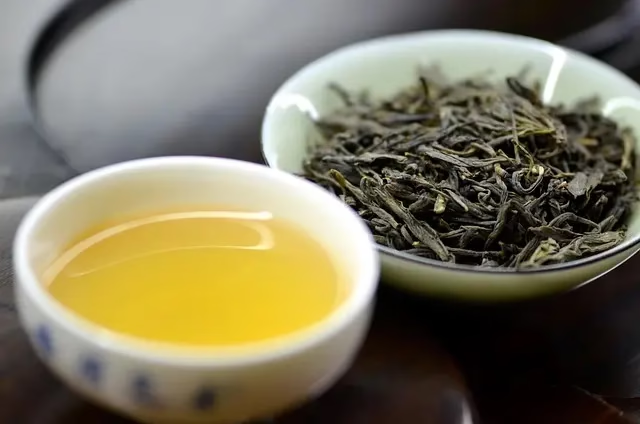
Yellow Tea is known for its balanced, sweet, and slightly nutty flavor, without the grassy taste characteristic of many green teas. It has subtle notes of flowers, honey, and ripe fruit, depending on the variety and region of origin.
Visually, its infusion has a golden or light amber tone, and the aroma is soft, clean, and slightly sweet—a true sensory experience.
Health Benefits of Yellow Tea
In addition to its refined flavor, Yellow Tea offers several benefits for the body and mind. Because it is minimally oxidized, it retains many of the antioxidant compounds present in green tea, but with lower acidity, making it gentler on the stomach.
- Rich in Antioxidants
Yellow Tea contains polyphenols, catechins, and flavonoids, substances that combat free radicals and help prevent premature aging and degenerative diseases.
- Improves Digestion
Its gentle oxidation process favors enzymes that aid digestion and reduce gastrointestinal discomfort, making it ideal after meals.
- Strengthens the Immune System
Thanks to the presence of bioactive compounds and vitamins (such as C and E), Yellow Tea helps reinforce the body’s natural defenses.
- Promotes Concentration and Focus
Yellow Tea contains a moderate amount of caffeine and L-theanine, which together promote mental focus without causing jitters—an effect known as “calm energy.”
- Aids in Weight Control
By stimulating metabolism and assisting in fat burning, Yellow Tea can be a natural ally for those seeking to maintain a balanced weight.
How to Properly Prepare Yellow Tea
To enjoy the full potential of Yellow Tea, it is important to respect the brewing method. Because it is delicate, it requires attention to water temperature and infusion time.
Suggested Brewing Method:
- Heat water to about 80°C to 85°C (176°F to 185°F)—never use boiling water.
- Add 1 teaspoon (2–3 g) of leaves per cup.
- Steep for 2 to 3 minutes.
- Strain and serve immediately.
You can reuse the same leaves for up to 3 infusions, adjusting the time according to taste.
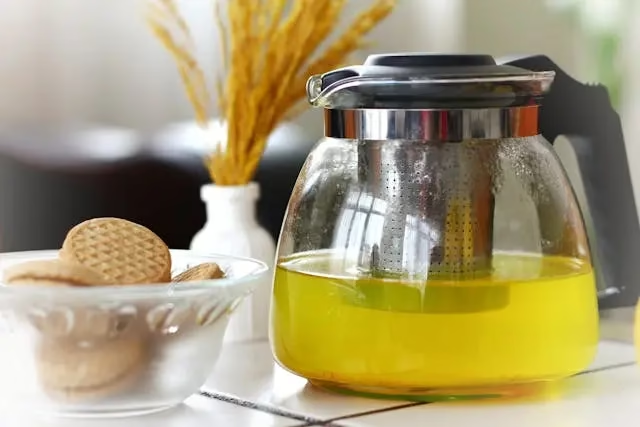
Tip: Use glass or porcelain utensils to better appreciate the golden color of the infusion.
Where to Find Yellow Tea
Due to its rarity, Yellow Tea is not common in conventional stores. However, it can be found in specialized tea houses, online stores for Asian products, and some premium tea markets.
When purchasing, prefer brands that indicate the origin and specific type of tea (such as Junshan Yinzhen or Huo Shan Huang Ya), as this guarantees authenticity and quality.
“Want to discover other rare teas and their benefits? Explore our articles on Oriental teas and learn how to prepare beverages that balance body and mind.”
Before trying any tips from this post—such as exercises or herbal teas—be sure to consult a doctor, nutritionist, or qualified health professional. Your body is unique, and taking the right precautions is the first step to a healthy life.
