
For many, a cup of tea is a ritual of relaxation, self-care, and pleasure. However, a very common question often arises: is it “correct” to sweeten tea?
There isn’t a single answer, as it involves factors such as the type of tea, the reason for drinking it, cultural habits, personal preferences, and even health considerations.
In technical settings, such as professional tastings, tea is consumed plain, without any additives. However, in daily life—when the goal is to relax, warm up, or simply enjoy the drink—sweetening can be part of the experience. But is every sweetener a good choice? What are the best options, and which should be avoided?
In this article, you will learn when it makes sense to sweeten your tea, healthy alternatives to refined sugar, the risks of artificial sweeteners, and how to gradually reduce sugar intake to appreciate the natural flavor of tea.
Sweetening Tea: A Matter of Context
Before anything else, it is important to distinguish between two different tea-drinking moments: technical tasting and everyday enjoyment.
Tea in Technical Tasting: Why Avoid Sweeteners?
In a professional tea cupping, the goal is to analyze the beverage in its purest form. All senses are engaged—smell, taste, touch, and sight—to evaluate:
- Aroma and Flavor
- Body and Astringency
- Finish (Lingering taste)
- Presence or absence of defects
- Leaf quality
Adding sugar, honey, or any other sweetener directly interferes with this analysis because it masks important nuances, such as floral, fruity, herbal, or woody notes. For this reason, tea is never sweetened in professional tastings.
Everyday Tea: Pleasure Over Rules
When it comes to daily consumption—at home, work, or social gatherings—the scenario changes completely. In this context, there is no absolute right or wrong. The most important thing is that the tea provides well-being and pleasure.
If sweetening your tea helps you enjoy the moment more, that is perfectly fine. The key is to make conscious choices, prioritizing natural and balanced options.
Traditional Sugar and Its Varieties
Sugar is usually the first choice for sweetening any drink. While it is a natural sweetener extracted from sugarcane or beets, it undergoes various industrial processes that impact its nutritional quality.
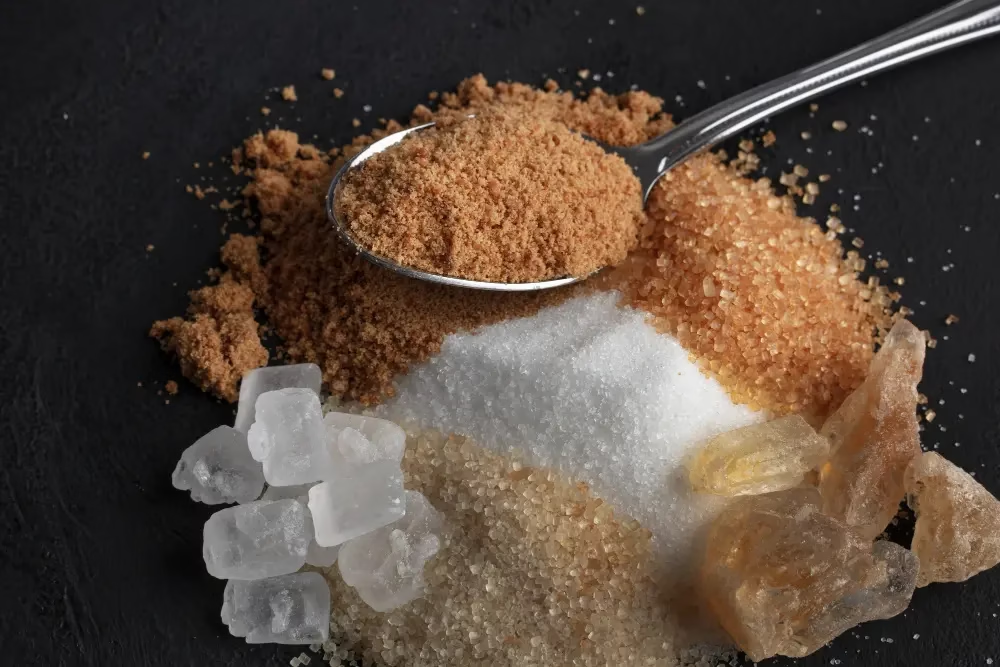
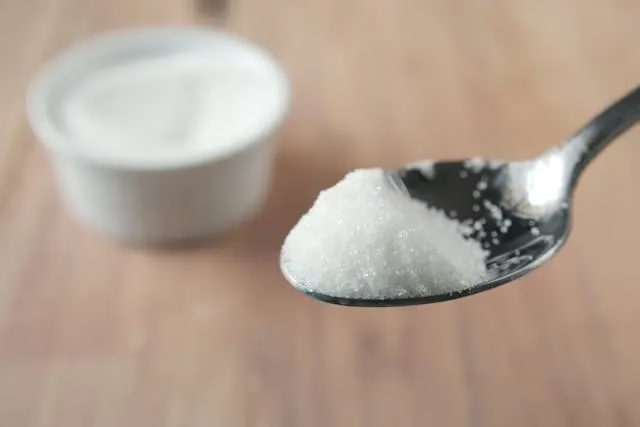
- Refined White Sugar: The most common and most criticized. The refining process uses chemicals to remove impurities and bleach the color. This results in an “empty calorie” product: highly refined, high glycemic index, and devoid of vitamins or minerals.
- Demerara Sugar: This sugar undergoes less refining and retains some molasses, giving it a darker color and a slightly caramelized flavor. It is still sugar, however, and should be used in moderation.
- Brown Sugar: Considered the most natural among traditional sugars, it skips intense refining and retains minerals like calcium, iron, and potassium. Despite this, it remains high in calories.
Why Reduce Sugar Consumption?
Health organizations, including the World Health Organization (WHO), warn against excessive sugar intake. Ideally, free sugars should make up less than 5% of your total daily calories. On a 2,000-calorie diet, that’s about 25 grams (6 teaspoons) per day.
Excess sugar is linked to weight gain, inflammation, insulin resistance, and cardiovascular issues. Reducing sugar in your tea is an excellent first step toward a more balanced diet.
The Best Natural Sweeteners for Tea
Natural sweeteners are those obtained directly from nature without aggressive chemical processing.
- Honey: A traditional and versatile option with antibacterial and antioxidant properties. It is excellent for herbal teas or soothing a sore throat. Opt for raw or organic honey for maximum benefits.
- Stevia: Extracted from the Stevia rebaudiana plant, it has zero calories and does not spike blood sugar. It is up to 100 times sweeter than sugar, so a little goes a long way. Use pure extract or ground leaves to avoid additives.
- Maple Syrup: Rich in antioxidants with a unique flavor profile, it pairs beautifully with bold black teas.
- Yacon Syrup: Known for containing fructooligosaccharides, which aid gut health. It has a mild flavor and functional benefits.
- Molasses: Extremely nutritious and rich in iron, calcium, and magnesium. Its intense flavor pairs well with strong, spiced teas (like Masala Chai).
What About Artificial Sweeteners?
Artificial sweeteners like saccharin, aspartame, and sucralose are popular for being calorie-free. However, for those seeking a natural lifestyle, they are often not the best choice. These products are ultra-processed, offer no nutrients, and can distort your natural sense of taste. Some studies also link them to metabolic imbalances.
How to Gradually Reduce Sugar in Your Tea
Changing habits takes time. Instead of quitting “cold turkey,” try these strategies:
- Reduce the amount slowly: Use half a teaspoon less every few days.
- Swap for natural alternatives: Transition from white sugar to honey or stevia.
- Choose naturally sweeter teas: Try Rooibos or fruit-forward blends.
- Watch your steep time: Over-steeping green or black tea makes it bitter, increasing the urge to add sugar.
- Buy higher-quality tea: Premium whole-leaf teas have a natural sweetness and complexity that low-quality tea bags lack.
Conclusion: A Conscious Choice
To sweeten or not to sweeten is not a rigid rule, but a personal choice. By prioritizing natural options and learning to value the authentic flavor of the tea leaves, you transform a simple drink into a true wellness ritual.
