
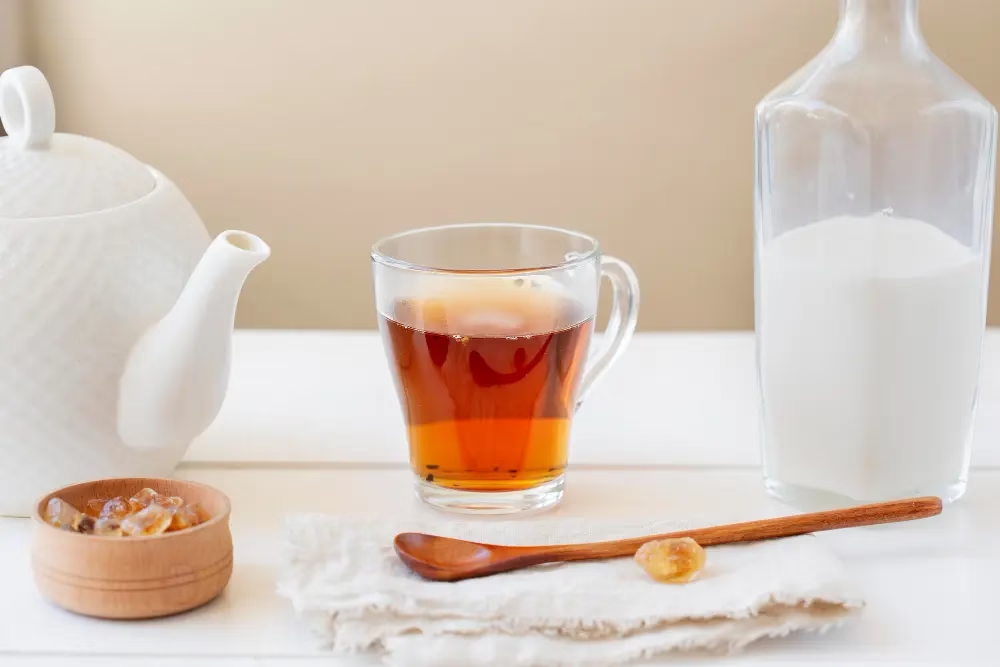
Traditions, Benefits, and Interesting Facts About This Combination
Tea is one of the world’s oldest and most beloved beverages, found in diverse cultures and full of meaning. It can be consumed plain, with spices, natural sweeteners, and in many countries, also with milk. But is adding milk to tea just a matter of custom, or does it really change the flavor and even the benefits of the drink?
In this article, we’ll explore the origin of this practice, cultural traditions in different countries, what science says about mixing tea and milk, and tips for choosing the best way to enjoy this combination.
The Tradition of Tea with Milk: Where Did It Come From?
The history of tea with milk is strongly linked to England. During the 17th and 18th centuries, black tea became popular among the British, especially intense varieties like Assam and English Breakfast Tea. To soften the strong, astringent taste of these teas, milk began to be added.
This habit not only transformed the way tea was consumed but also helped solidify milk as a part of the British diet. Over time, the custom spread to countries colonized by England, such as India and Hong Kong, which adapted the tradition to their own preparation styles.
Tea with Milk Around the World
The interesting thing about tea is that it’s never just a drink: in each culture, it takes on its own unique characteristics. Here are some famous examples:
England: The Classic “Tea with Milk”
In British tradition, black tea with milk is almost a national symbol. It can be consumed with sugar or plain, and to this day, there’s a debate about the correct way to serve it: milk before or after the tea? This seemingly simple detail carries social and cultural history.
India: The Famous Chai
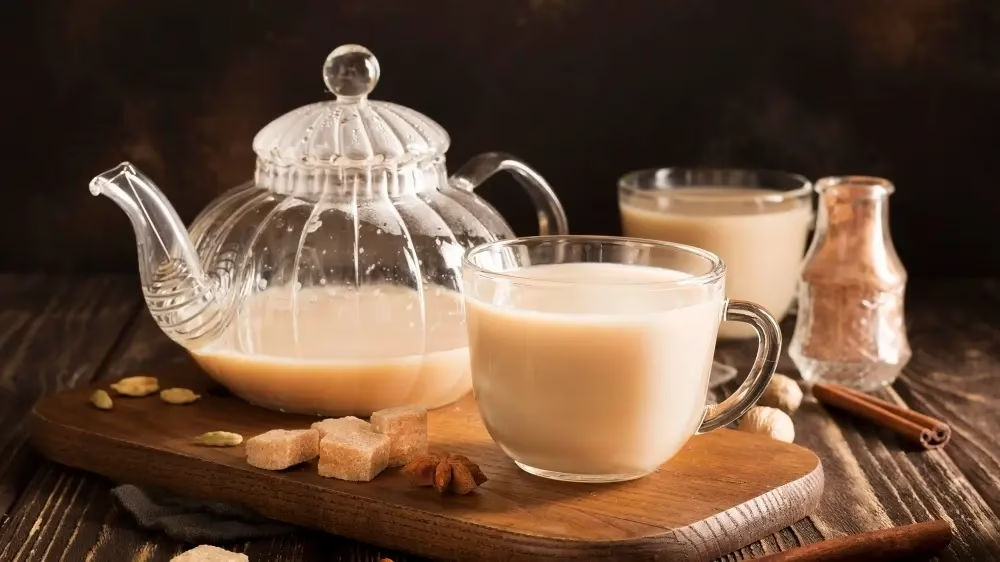
In India, the popular masala chai was born, a mix of black tea, milk, sugar, and spices like ginger, cinnamon, cardamom, and cloves. It’s a rich, aromatic, and energizing drink consumed daily by millions of people. Beyond its flavor, chai also has a social role: it’s commonly served at family gatherings and informal meetings.
Hong Kong: Evaporated Milk in Tea
In Hong Kong-style milk tea, strong black tea is mixed with evaporated or condensed milk. The result is a creamy, sweet, and intense-flavored drink, served both hot and iced. This version is so popular that it’s a staple on the menu of many local tea houses.
Tibet: Yak Butter Tea
In the cold regions of Tibet, tea is prepared with yak butter and milk. Called po cha, it’s highly caloric and provides energy to face the harsh mountain climate. While it might seem strange to those who aren’t used to it, for Tibetans, it’s an essential food.
Does Milk Interfere with the Benefits of Tea?
Tea is known for its antioxidants, especially catechins (found in higher concentration in green tea) and theaflavins (present in black tea). These compounds help protect the body against free radicals, promote cardiovascular health, and may even aid in the prevention of chronic diseases.
But where does milk fit into this story?
A 2007 study suggested that milk proteins, called caseins, could bind to the tea’s antioxidants, reducing their absorption by the body. This led to the hypothesis that plain tea would be more beneficial for health than tea with milk.
On the other hand, more recent research indicates that the effects can vary depending on:
- The type of milk (animal or plant-based).
- The amount of milk added.
- The type of tea used.
In other words, the science is still inconclusive. What is known is that, even with milk, tea remains a healthy beverage, as long as it’s consumed without excessive sugar.
Milk Before or After the Tea?
This is a question that has sparked debates for centuries.
- Milk first: Historically, this practice was more common among the lower social classes in England. The reason was simple: the fragile clay or glass cups they used could crack from the heat of the tea. Adding milk first helped to balance the temperature.
- Tea first: This was associated with the upper classes, who had access to strong porcelain that didn’t need to be protected from thermal shock.
Today, the consensus is that there is no “correct” way. The order doesn’t significantly alter the flavor but can change the sensory experience. Many people prefer to add milk afterward to have more control over the color and intensity of the drink.
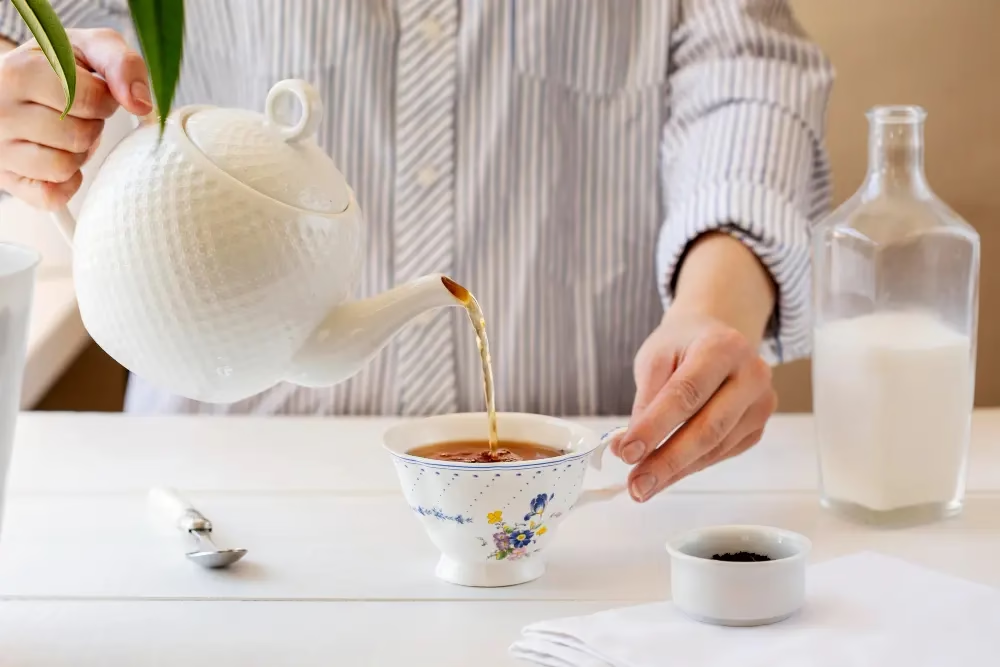
Plain Tea or Tea with Milk: How to Choose?
If you’re unsure whether to drink plain tea or with milk, consider the following points:
- Flavor
- Plain tea: More intense, with a greater emphasis on herbal, floral, or bitter notes, depending on the variety.
- Tea with milk: A milder and creamier flavor, ideal for those who prefer to reduce the astringency of strong black teas.
- Health Benefits
- Plain tea: Retains most of the antioxidants.
- Tea with milk: May have a slight reduction in antioxidant absorption but is still a healthy option.
- Time of Consumption
- In the morning: Tea with milk can replace coffee, offering energy without as much acidity.
- During the day: Plain tea is light and refreshing, great for staying focused and hydrated.
Types of Milk Used in Tea
Today, milk is not just limited to cow’s milk. With the growth of plant-based alternatives, new combinations have gained popularity:
Cow’s Milk
The most traditional option, used in England and India. It can be whole, reduced-fat, or skim, each with a different impact on the tea’s creaminess.
Evaporated or Condensed Milk
Widely used in Hong Kong and in many Asian recipes. It provides a sweeter flavor and a richer texture.
Plant-Based Milks
Alternatives like almond, soy, oat, or coconut milk are gaining ground. In addition to being options for people with lactose intolerance and vegans, they bring unique flavors that can enhance certain notes of the tea.
Interesting Facts About Tea with Milk
- In England, there’s even a term for people who prefer tea with milk: “milky tea drinkers.”
- In Hong Kong, the preparation of milk tea is so valued that local baristas participate in championships to show off their technique.
- In Tibet, yak butter tea is so culturally important that it is often offered to visitors as a gesture of hospitality.
👉 And you, do you prefer your tea with or without milk? Have you tried different versions, like Indian chai or Tibetan tea? Leave a comment and share your experience with this versatile drink!
Before trying any tips from this post—such as exercises or herbal teas—be sure to consult a doctor, nutritionist, or qualified health professional. Your body is unique, and taking the right precautions is the first step to a healthy life.
