
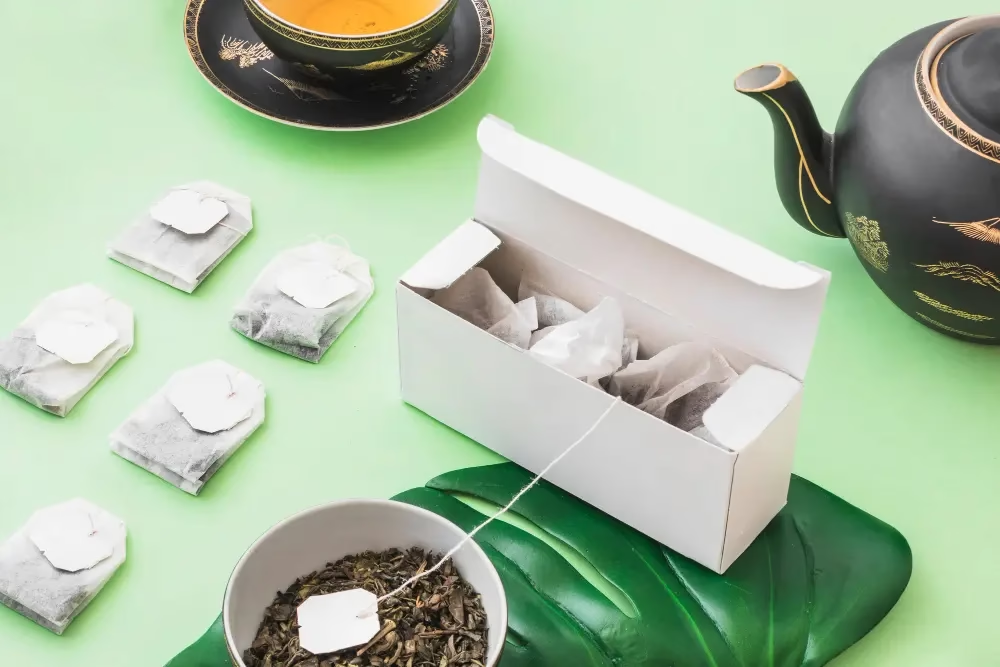
Tea consumption is growing globally, driven by interest in natural products, wellness rituals, and curiosity about artisan flavors. However, despite such popularity, few consumers truly know where the tea in their cup comes from. In consumer advocacy programs and market analyses, tea quality is often discussed—but a crucial point almost always remains out of the spotlight: the difference between tea packers and tea growers.
For many, these two terms mean the same thing. But the truth is, they represent completely different roles in the production chain, and understanding this distinction is fundamental for anyone who wants to drink tea of higher quality, sustainability, and reliable origin.
In this comprehensive article, you will learn:
- What truly differentiates packers and growers
- How tea quality is determined in the field
- The impacts of industrialization and tea blending
- The difference between blends and single-origin teas
- Why transparency is so rare in the industry
- And how to choose the best tea for your health and palate
Prepare your cup—let’s dive deep into the world of tea.
The Role of Each: Who Are the Packers and Who Are the Growers?
Tea Packers: Who Buys and Packages the Product
Packers are companies responsible for:
- Buying tea from various suppliers
- Blending different types
- Flavoring teas
- Standardizing flavor
- Packaging
- Distributing
They are, essentially, the commercial face of the industry. They are the brands we see on supermarket shelves.
Tea Growers: Who Actually Produces the Tea
Growers, on the other hand, are responsible for all the groundwork:
- Choosing and grafting cultivars
- Plant nutrition and protection
- Soil management
- Harvesting
- Traditional processing
- Drying and classification
They handle the tea from the bud to the ready-to-brew dry leaf. Their work is artisanal, technical, and deeply influenced by nature.
The Key Difference?
👉 Packers buy the tea.
👉 Growers produce the tea.
And it is in this difference that the true key to quality lies.
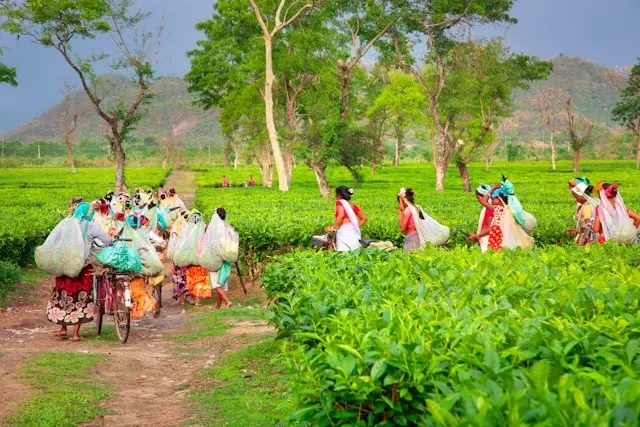
The Factors That Truly Determine Tea Quality
The flavor, aroma, color, and even the benefits of tea begin long before it reaches the nice packaging in stores. Quality is built on the plantation—and only growers have control over these factors.
- Soil Conditions
The soil composition directly interferes with the nutrients absorbed by the plant. Mineral-rich soils yield more flavorful and balanced leaves.
- Climate and Altitude
Mild temperatures, humidity, and good air circulation reduce stress on the plants, preserving theanine and antioxidants.
- Nutrition and Sustainable Management
Organic fertilizers, agroecological management, and crop rotation directly influence:
- Nutritional richness
- Flavor
- Natural aromas
- Antioxidant content
- Harvesting Method
The way tea is harvested is a game-changer:
- Manual — selects only young shoots and leaves, ensuring superior teas.
- Mechanical — also collects branches, old leaves, and impurities, affecting flavor and quality.
- Processing (Orthodox vs. Industrial)
The orthodox method is artisanal, preserves the tea’s natural essence, and requires human skill.
The industrial method (like CTC) prioritizes volume, not quality.
All these factors are beyond the reach of packers, who receive the tea already finished and cannot influence its natural quality.
The Reality of Tea Packers: Marketing, Profit Margin, and Little Transparency
The vast majority of brands found in global retail are packers—and they rarely have direct contact with those who produce the tea.
Buying Through Intermediaries
Most of the time, the tea passes through intermediaries between the farmer and the packer. This creates a long and opaque chain where:
- There is no clarity about the cultivation method
- It is unknown if the harvest was manual or mechanical
- There are no guarantees about sustainability
- Labels like “organic” or “fair trade” may not reflect the reality in the field
Higher Profit in Packaging
The tea packing sector is where the largest profit margins are found. Farmers—the true creators of product quality—receive only a fraction, even in fair trade systems.
To increase profit, many packers use:
- Lower quality teas
- Machine-harvested leaves
- Teas processed by the CTC method
- Artificial flavorings
- Blends of various mixed origins
All this creates a standardized product, but one far from the best tea has to offer.
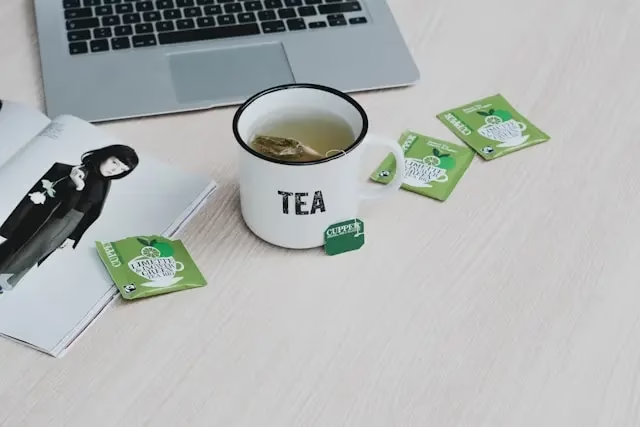
What Is Behind the Inferior Methods: Mechanical Harvesting and CTC
Machine-Harvested Tea
When harvesting mechanically, the following occurs:
- Mixing of young shoots and old leaves
- Presence of crushed branches
- More woody and less delicate flavors
- Loss of aromatic nuances
In other words, the final flavor is compromised.
CTC Method (Crush, Tear, Curl)
CTC means:
- Crush
- Tear
- Curl
This method was created for mass production and speed. It:
- Destroys the leaf structure
- Increases astringency
- Homogenizes flavor
- Is perfect for industrialized tea bags
- Is the opposite of the traditional orthodox method
While orthodox processing produces complex, rich, and aromatic teas, CTC generates strong, simple teas—ideal for high production, but far from the true artisanal flavor.
Blends: Creativity or Masked Discard?
The practice of blending teas became popular during the colonial period. By combining leaves from different origins, it was possible to:
- Save money
- Generate volume
- Mask defects
- Increase profit margins
Today, blends are still extremely common, with artificial fragrances added to attract consumers.
The Problem of Lack of Transparency
The label does not always inform:
- Where each tea used comes from
- If inferior teas are mixed in
- If they are true leaves or tea dust
- If there are pesticide residues
This creates a scenario where the consumer, even when paying a high price, does not know exactly what they are drinking.
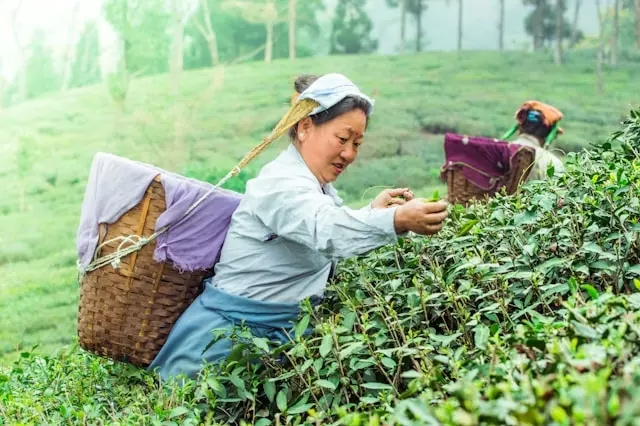
Single Origin: The Answer from Artisan Growers
In response to the commoditization and loss of tea identity, single-origin productions emerged.
This means:
- 100% of the tea comes from the same region
- Often from the same farm
- No mixing with lower quality leaves
Growers like those in Sri Lanka, for example, are strongly promoting the concept of pure “Ceylon Tea,” to differentiate themselves from the cheap blends sold globally under the same name.
A Common Problem: Misleading Labels
Although “Ceylon Tea” refers to tea from Sri Lanka, regulations often allow:
- Only 5% of the content to actually be from Sri Lanka
- The other 95% to come from unknown origins
This further reduces the authenticity of what reaches the consumer.
Heartfelt producers—like the traditional Dilmah—reinforce their commitment to single origin to ensure:
- Authentic flavor
- Superior quality
- Fair relationships with farmers
- True terroir
Why This Discussion Matters to the Consumer
Because understanding where your tea comes from means:
- Choosing healthier products
- Avoiding low-quality blends
- Supporting artisan farmers
- Obtaining better aromas and flavors
- Having real transparency in the purchase
When you choose teas directly from growers or from brands that work closely with them, you are supporting:
- Sustainable practices
- Fairer trade
- Environmental preservation
- Maintenance of traditional tea culture
And, above all, you are drinking a much superior product.
Where Does Your Tea Come From? Questions Every Consumer Should Ask
Before buying a package of tea, it’s worth reflecting:
- Do you know where that leaf came from?
- Was it hand-picked or machine-harvested?
- Is it single origin or a blend?
- Was it processed using the orthodox method?
- Does the brand work directly with producers?
In summary:
👉 Packers are experts in marketing and packaging.
👉 Growers are experts in producing real tea.
Your final choice depends on what you value more: convenience and price, or quality and transparency.
Conclusion: What Kind of Tea Do You Want to Drink?
The difference between packers and growers is not just a curiosity—it completely shapes what you find in your cup.
When you understand this distinction, you begin to see tea not just as a beverage, but as the result of:
- Artisan craftsmanship
- Tradition
- Care for nature
- Ethical production
- Respect for farmers
Choosing well is an act of consciousness—and also of pleasure.
Tell us in the comments:
👉 Do you usually buy tea from packers or do you prefer single-origin teas?
And if you want to receive complete guides on artisan teas, natural health, and well-being, subscribe to our newsletter for exclusive content!
