
In Russia, tea is not just a drink—it is a ritual of togetherness, a gesture of welcome, and a cultural heritage that spans generations. The protagonist of this custom is the samovar, an elegant metallic utensil that warms not only the water but also the spirit of the people who gather around it.
In this article, we will delve into the fascinating history of Russian tea, understand how the samovar became an icon of Slavic hospitality, and discover what makes this tradition so special and inspiring even today.
The Origins of Tea in Russia: A History of Cultural Exchange
The introduction of tea to Russia dates back to the 16th century, when the Cossack atamans—Russian explorers and warriors—established contact with the Chinese during their expeditions. At the time, tea was a luxury item, reserved for the elites and traded in small quantities via the ancient trade routes between China and Siberia.
Over the centuries, especially between the 17th and 18th centuries, stable commercial agreements were established between Moscow and the Chinese Empire. The tea caravans—long camel expeditions that crossed the continent—made the product increasingly accessible.
Tea consumption rapidly gained popularity, and given Russia’s cold and harsh climate, the beverage found fertile ground to become a daily and comforting habit. Unlike cultures that appreciate tea for its lightness or freshness, Russians adopted it as a source of warmth, energy, and unity.
What Is the Samovar and Why Is It So Important?
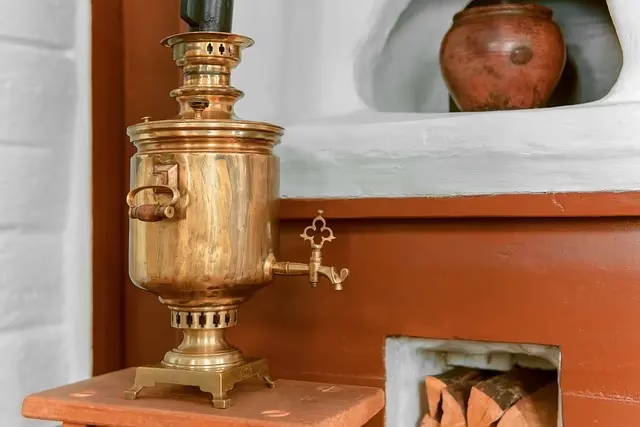
The samovar (Russian word meaning “self-boiler”) is a metal container used to heat and keep water hot. More than a simple utensil, it is the ultimate symbol of the Russian tea tradition.
Typically made of copper, brass, silver, or even gold, the samovar has a rounded and decorative shape, resembling an ornamented urn or barrel. Its interior houses a central metallic tube, designed to hold the fuel responsible for heating the surrounding water.
In traditional models, this fuel could be charcoal, wood, or coal. Today, many modern samovars use electric heating elements, maintaining the same charm and functionality.
At the base, there is a small spigot that dispenses the hot water, and at the top, a chimney redirects the smoke. The result is a practical, beautiful, and durable piece of equipment that combines ingenuity and aesthetics in a unique way.
How Tea Is Prepared in the Samovar
The process of preparing Russian tea is an art in itself—and involves two main stages.
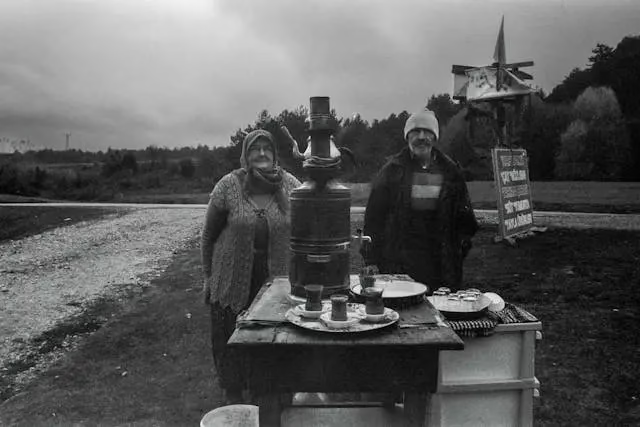
First, a concentrated tea is prepared, known as zavarka. This infusion is made in a separate, small teapot, using a large quantity of tea leaves and very little water. Black tea is the most traditional, but green tea and even flavored infusions have gained ground.
Next, the zavarka teapot is placed on top of the samovar to maintain constant heat. When it’s time to serve, each person pours a little zavarka into their cup and fills it up with hot water from the samovar’s spigot, adjusting the strength according to taste.
This system allows each person to personalize their drink—stronger, milder, sweeter, or with touches of fruit and spices.
Traditional Accompaniments
Russian tea is rarely served alone. It is usually accompanied by:
- Fresh lemon slices, which balance the intense flavor of black tea.
- Sugar cubes, traditionally held between the teeth while sipping the tea.
- Homemade jams, especially made from red berries.
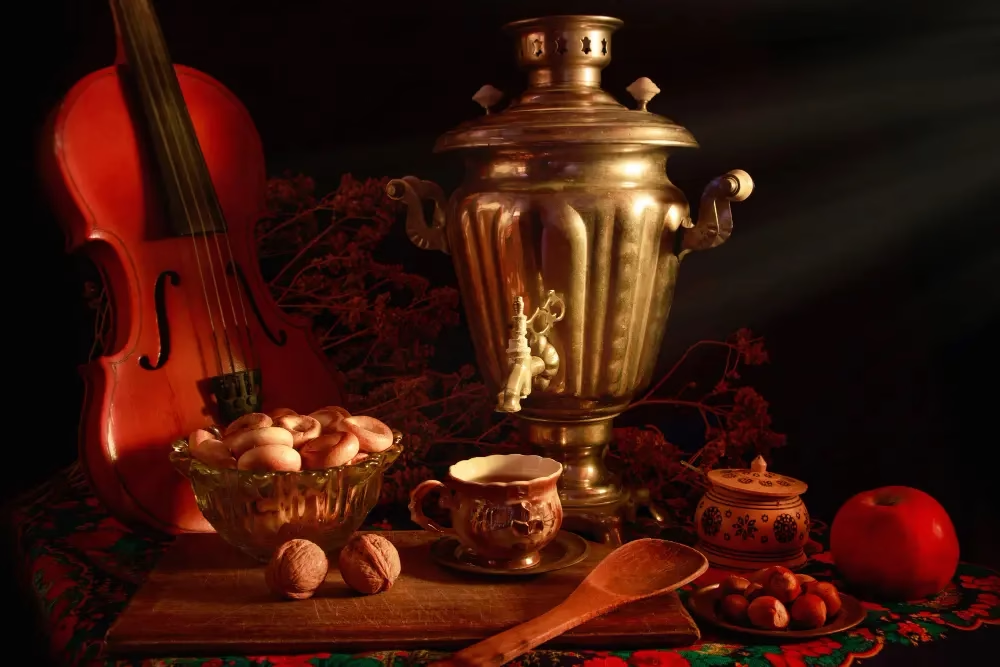
- Typical cakes, biscuits, and breads, such as baranka and pirozhki.
More than just a snack, the tea moment is a ritual of togetherness that brings families and friends around the table—a symbol of human warmth amidst the Russian cold.
The Samovar as a Symbol of Russian Hospitality
In Russia, sitting by a samovar goes far beyond enjoying a hot drink. It is a gesture of welcome, friendship, and respect.
The expression “to sit by the samovar” is still used today to describe a friendly meeting, an intimate conversation, or a welcome visit. Offering tea to a guest is not just a courtesy: it is a way of saying, “you are welcome in my home.”
This tradition is so deeply rooted that, for centuries, refusing tea could be interpreted as rudeness. The samovar, therefore, is not merely a utensil but a cultural symbol of Slavic hospitality, a center of conviviality and sharing.
In many Russian families, the samovar was considered a precious heirloom, passed down from generation to generation, often richly decorated with engravings, arabesques, and gold details. It represented status, tradition, and family unity.
The Evolution of the Samovar Throughout the Centuries
The first samovars began to be manufactured by Russian artisans at the beginning of the 18th century, mainly in the city of Tula, which is still recognized as the samovar capital today.
In the 19th century, Tula produced thousands of samovars annually, exporting them to various regions of Europe and Asia. The design evolved over time: from simple and functional models to true works of metal art, featuring embossing, engravings, and sophisticated shapes.
With industrialization and the advancement of electricity, samovars began to adopt electric heating systems, making them more practical and safer. Today, they can be found in modern and vintage versions, decorating homes, restaurants, and museums around the world.
Russian Tea in Daily Life and Celebrations
Tea consumption is an essential part of Russian daily life. It is common to drink tea several times a day—at breakfast, after meals, or during social gatherings.
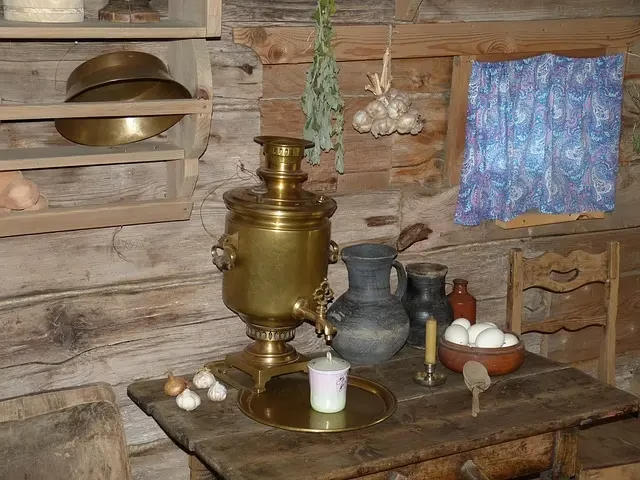
In rural villages, the samovar still occupies the center of the table, warming the environment and strengthening family ties. In cities, the custom has taken on a more modern feel, with cafes and tea houses offering experiences inspired by the traditional Russian style.
During holidays and festivities, such as the Russian New Year and Maslenitsa (the festival to say goodbye to winter), tea served from the samovar accompanies sweets, pies, and typical dishes, symbolizing abundance and unity.
The Samovar’s Legacy Beyond Russian Borders
The popularity of the samovar transcended Russia’s borders and influenced neighboring cultures. Countries like Iran, Turkey, India, Croatia, and Serbia also adopted adapted versions of the utensil, each imprinting its own style and ritual.
In Iran, for example, the samovar is used in conjunction with chai (strong, sweet black tea), while in Turkey, it inspired the use of the çaydanlık, a system of two stacked teapots.
This expansion demonstrates how much the samovar has become a universal symbol of conviviality and human warmth, connecting different peoples through a simple gesture: sharing a cup of tea.
Raising a Samovar Today: A Tradition Reborn
In recent years, the samovar has experienced a strong resurgence among tea lovers and collectors. Specialized cafes and tea houses around the world are reviving the traditional Russian ritual, offering immersive experiences that combine culture, history, and flavor.
Furthermore, the growing interest in natural beverages and self-care rituals has brought the modern public closer to the charm of the samovar. It represents not only a way to prepare tea but also a symbol of pause and presence—something increasingly valued amid the rushed routine.
Conclusion: The Samovar as a Symbol of Human Warmth and Living Tradition
The samovar is more than a historical object—it is the symbol of the Russian spirit. It heats the water, but it also warms hearts, bringing people together around a beverage that transcends generations and borders.
Adopting the habit of preparing tea the Russian way is a means of slowing down, valuing companionship, and celebrating the simple pleasure of being present. In an increasingly digital world, perhaps the samovar is the reminder that the best conversations still happen with a good cup of tea in hand.
👉 “Did you enjoy learning about the samovar tradition? How about preparing your tea more calmly today and discovering the pleasure of transforming a simple ritual into a moment of connection?”
