

Have you ever thought about a drink that combines sustained energy, mental clarity, and powerful antioxidants in every sip? That’s matcha, a powdered green tea that’s taking the world by storm and is set to revolutionize your health and wellness routine.
Unlike regular green tea, with matcha you consume the entire pulverized leaf, which makes it up to 137 times richer in antioxidants. It’s no wonder it’s gained a reputation as the “new coffee”—only much more balanced.
What Is Matcha?
Originating from the Camellia sinensis plant, matcha is a powdered green tea produced from shade-grown leaves that are ground using stone mills. The result is a fine, vibrant powder packed with nutrients.
The key difference from traditional green tea is that instead of just steeping the leaves, with matcha you ingest them completely, reaping all the benefits.
History: From Ancient Japan to the Modern World
- Origin in China (Tang Dynasty, 9th century): The first records of powdered tea.
- Japan (12th century): The monk Eisai brought seeds and knowledge of powdered tea, popularizing it in Zen monasteries.
- Samurai: Used matcha before battles for focus and energy.
- Tea Ceremony: Transformed matcha into a symbol of spirituality and discipline.
- 21st Century: Became a global trend, adopted by celebrities, nutritionists, and wellness enthusiasts.
How Matcha Is Produced
- Shade Cultivation: 20 to 30 days before harvest, the plants are covered, which increases chlorophyll and L-theanine.
- Hand-Picking: Only the youngest and most tender leaves are selected.
- Steaming: This process halts oxidation, preserving the color and nutrients.
- Drying (Tencha): The leaves are dried and stripped of their stems and veins.
- Stone Grinding: A slow process that keeps the flavor and nutrients intact.
Types of Matcha: Which One to Choose?
Culinary Grade Matcha
- More affordable, with a robust and bitter flavor.
- Ideal for recipes, smoothies, baked goods, and lattes.
Premium Grade Matcha
- Vibrant green color and a balanced flavor.
- Recommended for daily consumption in hot or cold drinks.
Ceremonial Grade Matcha
- Made from the first harvest leaves.
- Has a delicate, sweet flavor and silky texture.
- Used in traditional ceremonies and special occasions.
Health Benefits of Matcha
Powerful Antioxidants
- Up to 137 times more catechins than regular green tea.
- Fights free radicals, premature aging, and chronic diseases.
Sustained Energy Without the Jitters
- The combination of caffeine and L-theanine promotes focus and calm.
- Provides constant energy for up to 6 hours, without the “highs and lows” of coffee.
Metabolism and Weight Loss
- Accelerates fat burning.
- Can increase calorie expenditure by up to 25% during exercise.
Immune System Boost
- Has antibacterial and antiviral properties.
- Reduces inflammation and strengthens natural defenses.
Cardiovascular Health
- Lowers LDL (bad) cholesterol.
- Improves circulation and reduces the risk of heart disease.
Brain Function
- Enhances memory, concentration, and mental clarity.
- Has a protective effect against neurodegenerative diseases.
Matcha vs. Coffee: What’s the Difference?
- Matcha: Provides smooth, long-lasting energy, is high in antioxidants, and improves mood and focus.
- Coffee: Offers an immediate energy boost, but can cause nervousness, energy crashes, and digestive issues.
For those seeking balance, matcha is the ideal choice.
How to Add Matcha to Your Routine
- In the morning: Replace your coffee for stable energy.
- Before a workout: Increases stamina and fat burning.
- In the afternoon: Fights post-lunch sleepiness without affecting your sleep.
- For studying: Improves focus and memory.
How to Prepare Matcha
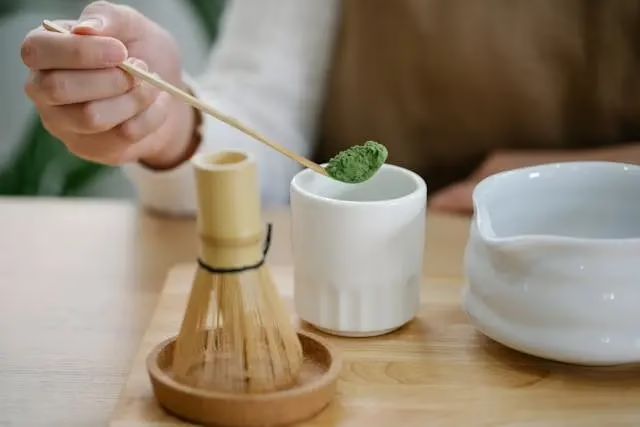
- Put 1 teaspoon (2g) of matcha into a bowl.
- Add a small amount of hot (not boiling) water.
- Whisk with a chasen (bamboo whisk) in a “W” shape until a creamy froth forms.
- Add more water or plant-based milk to your preference.
Cautions and Contraindications
- Start with 1/2 a teaspoon per day, gradually increasing.
- Avoid more than 3 cups a day if you’re sensitive to caffeine.
- Pregnant or breastfeeding individuals, and those with specific medical conditions, should consult a doctor.
The Future of Matcha
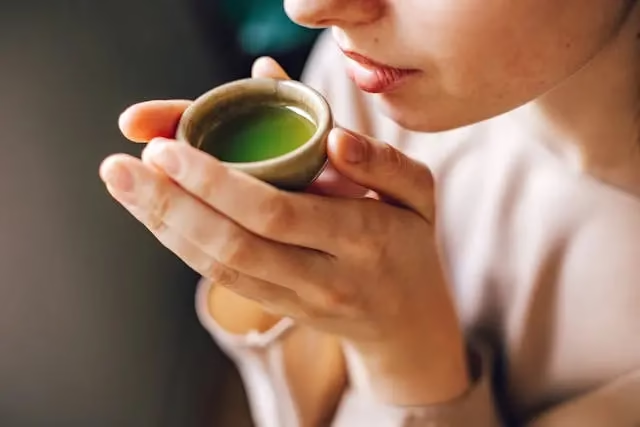
Increasingly found in coffee shops, restaurants, and even cosmetics, matcha is conquering the world with its versatility, benefits, and cultivation sustainability.
Conclusion: The Tea That Transforms
Matcha is much more than a drink: it’s clean energy, health, and tradition in a powder. Whether it’s for breakfast, before a workout, or a moment of mindfulness, each sip is an invitation to live with more balance and vitality.
👉 Ready to experience the power of matcha? Start your routine with this superfood tea today and feel the difference in your energy, focus, and well-being!
Before trying any tips from this post—such as exercises or herbal teas—be sure to consult a doctor, nutritionist, or qualified health professional. Your body is unique, and taking the right precautions is the first step to a healthy life.
