
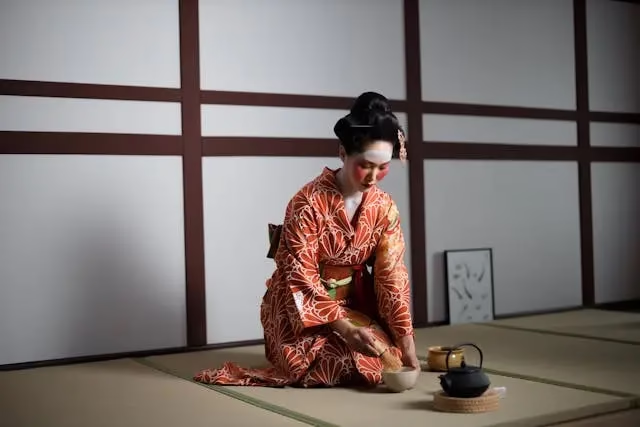
Japanese green tea is much more than a beverage: it’s a ritual, a tradition, and a natural source of benefits that have spanned centuries. Celebrated and consumed worldwide, it stands out for its unique flavor, fascinating history, and properties capable of transforming health and well-being.
In this article, you’ll discover how matcha, sencha, and other varieties have captivated generations, along with science-backed benefits and practical ways to include green tea in your daily routine.
The History of Japanese Green Tea
Ancient Origins
Tea arrived in Japan in the 8th century, but the Japanese quickly developed their own cultivation and processing methods, transforming the beverage into a true art form. Unlike other countries that merely adopted the practice, Japan elevated tea to the level of a cultural and spiritual tradition.
The Evolution of Techniques
Through careful observation of the climate and soil, two main styles emerged that still dominate today:
- Matcha: A fine, vibrant powder made from shade-grown leaves.
- Sencha: An infusion of whole leaves, lighter and more versatile for daily consumption.
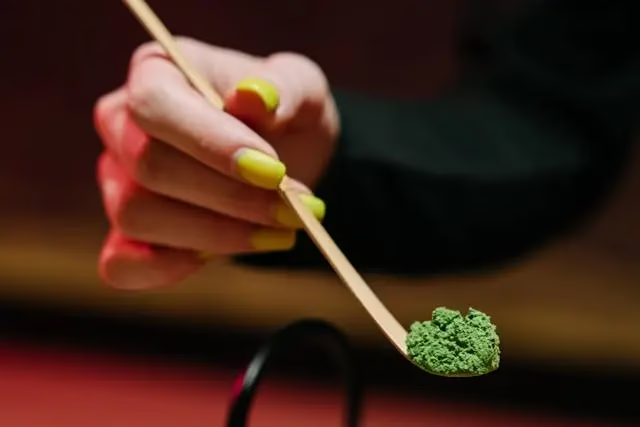
Matcha: The Green Powder That Conquered the World
The Secret to Cultivation
The technique of shading the leaves before harvest was a game-changer in the 16th century. This process increases chlorophyll, reduces tannins, and enhances amino acids like L-theanine, resulting in a unique and intense flavor.
Artisanal Production
Matcha preparation follows rigorous steps:
- Immediate steaming to stop oxidation.
- Grinding in stone mills.
- Fine sifting to achieve a velvety texture.
The result is a jade-green powder exceptionally rich in nutrients.
Modern Use of Matcha
Today, it’s a star ingredient in many recipes:
- Energizing smoothies.
- Creamy matcha lattes.
- Gourmet desserts.
- Innovative savory dishes.
Pro Tip: Try a matcha smoothie with fruit and plant-based milk to start your day with energy!
Sencha: The Everyday Green Tea
A 17th-Century Revolution
While matcha was associated with ceremonies and meditation, sencha brought simplicity and accessibility. Instead of grinding, the leaves were infused in hot water, creating a refreshing and practical beverage.
Shincha: The Spring Treasure
The first tea harvested in the season offers a delicate flavor and a maximum concentration of nutrients accumulated over the winter.
The Nagatani Sōen Method
In 1737, Nagatani Sōen developed the processing method that gave rise to modern sencha: steaming, rolling into a needle shape, and careful drying. Today, it accounts for 80% of Japan’s tea production.
Diversity of Varieties
The world of sencha includes:
- Shincha (first spring harvest).
- Fukamushi (deep-steamed).
- Kukicha (made from stems).
- Gyokuro (high-quality shade-grown leaves).
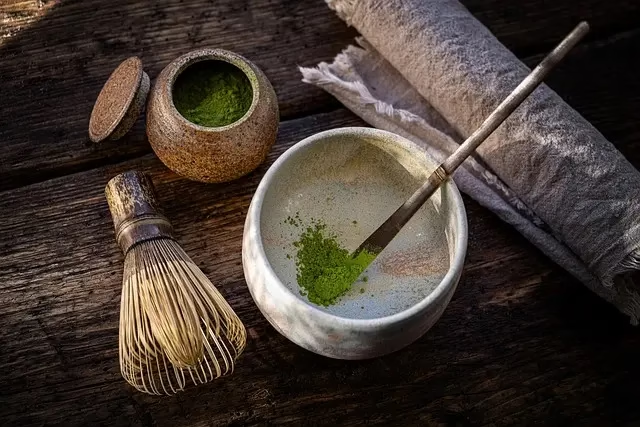
Scientifically Proven Benefits
Powerful Antioxidants
Rich in polyphenols, Japanese green tea fights free radicals, reduces inflammation, and strengthens the immune system.
EGCG: The Super-Antioxidant
Epigallocatechin gallate (EGCG), present in high concentrations in matcha, is associated with:
- Cardiovascular protection.
- Prevention of metabolic diseases.
- Neuroprotective effects.
- Cancer-fighting potential.
Weight Management and Metabolism
Studies indicate that green tea helps to:
- Increase thermogenesis (calorie burning).
- Promote fat oxidation.
- Regulate blood sugar.
- Prolong satiety.
A practical tip: Replace sodas with an iced sencha with lemon and mint for a natural refreshment and a boosted metabolism.
Cognitive Benefits
The combination of caffeine + L-theanine improves focus, memory, and concentration without the negative side effects of coffee. It also promotes relaxation and stress reduction.
How to Include Japanese Green Tea in Your Routine
Tips for Beginners
- Use water between 158°F and 176°F (70°C and 80°C) so you don’t burn the leaves.
- Quick infusions: 1-3 minutes for sencha, instant preparation for matcha.
- Opt for certified origin teas.
Simple Recipes
Energizing Matcha Latte
- 1 tsp matcha
- 7 oz (200 ml) plant-based milk
- 1 tsp honey
- A pinch of cinnamon
Refreshing Iced Sencha
- 2 tsp sencha
- 17 oz (500 ml) water
- Ice, lemon, and mint leaves
Suggested Daily Consumption
- Morning: Matcha for energy and focus.
- Afternoon: Sencha to maintain productivity.
- Pre-workout: Green tea to boost performance.
- Evening: Genmaicha (sencha with toasted rice) for relaxation.
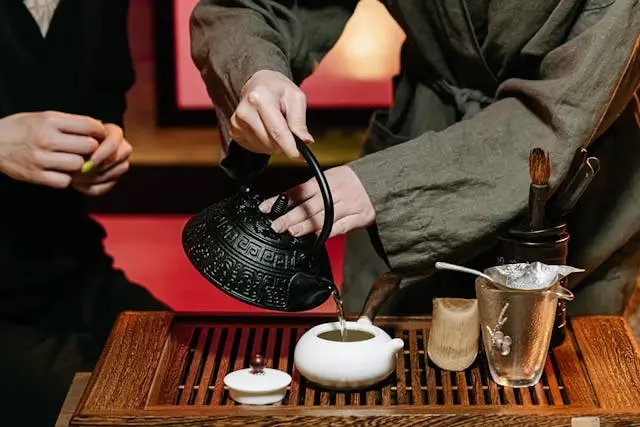
Sustainability and Environmental Awareness
Consuming Japanese green tea goes beyond health: it supports sustainable practices like organic farming, mindful water management, and the appreciation of small producers. By choosing quality brands, you contribute to:
- Preserving ancient traditions.
- Reducing environmental impact.
- Supporting local communities.
The Tea Ritual as a Practice of Well-Being
Preparing and drinking tea can be a moment of mindfulness:
- Focusing on the present.
- Reducing stress.
- Connecting with yourself.
Create your own simple ceremony: heat the water, prepare the tea with mindful attention, and savor each sip with calm.
Conclusion
Japanese green tea is more than a beverage—it’s a powerful ally for physical and mental health, a link to ancient traditions, and a simple way to practice daily well-being. Incorporating matcha, sencha, and other varieties into your routine is a choice that nourishes both body and mind while supporting sustainable practices.
So, which Japanese green tea will you try first: matcha or sencha? Share your choice and start your green tea transformation journey today!
Before trying any tips from this post—such as exercises or herbal teas—be sure to consult a doctor, nutritionist, or qualified health professional. Your body is unique, and taking the right precautions is the first step to a healthy life.
