
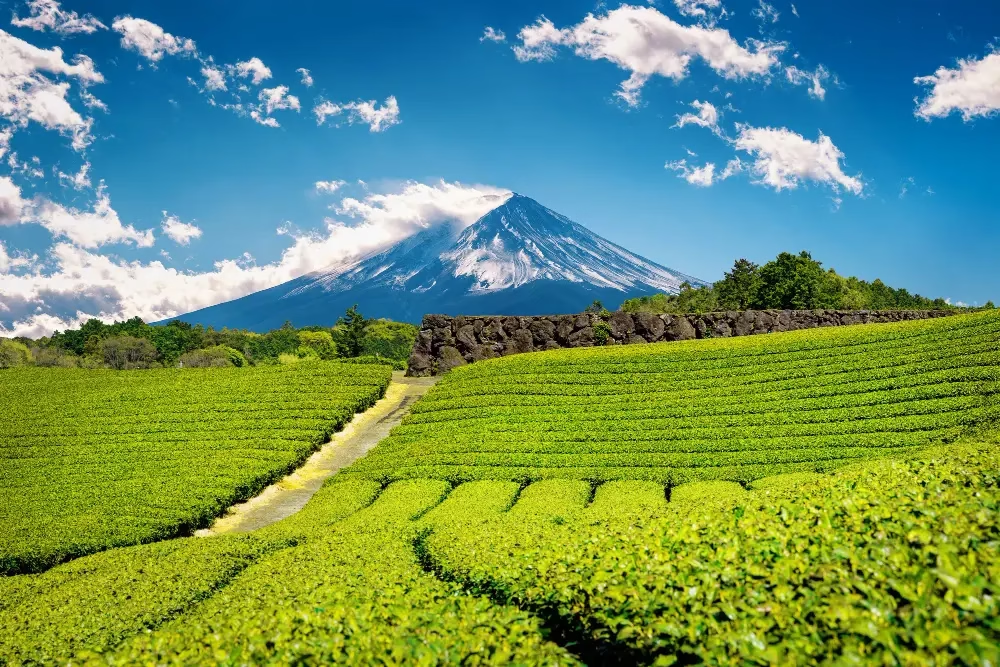
Have you heard of high-altitude teas? Grown in mountainous regions where the air is pure and temperatures are lower, these teas hide a special secret: the higher the elevation, the more complex, aromatic, and nutritious the tea becomes.
In this article, you’ll discover why mountain-grown tea is so highly valued, learn about the most famous regions for this type of cultivation, and understand how to get the most out of every cup of this natural treasure.
What Are High-Altitude Teas?
High-altitude teas are those grown in mountainous regions, generally above 1,000 meters (3,300 feet). The unique environmental conditions—cold nights, sunny days, and mineral-rich soil—directly influence the growth of the tea leaves.
The result is a tea with a more refined flavor, delicate aromas, and often a higher concentration of nutrients and antioxidants.
Why does altitude make a difference?
- Lower temperatures: Slow down the plant’s growth, concentrating flavor and nutrients.
- Increased sunlight: Intensifies the production of chlorophyll and beneficial compounds.
- Cleaner air: Reduces exposure to pollutants.
- Pure mountain water: Nourishes the soil and contributes to the tea’s freshness.
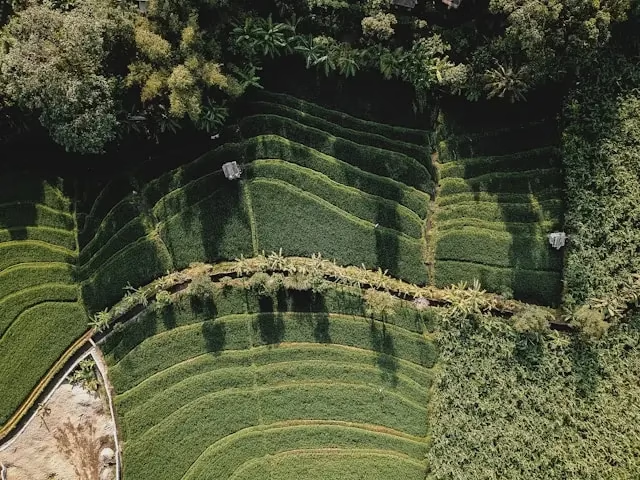
Famous Mountain Tea Regions
Some of the world’s most prestigious tea-producing regions are located at high elevations.
🌄 Darjeeling – India
Known as the “champagne of teas,” Darjeeling tea is grown on the slopes of the Himalayas, between 1,200 and 2,000 meters. Its flavor is delicate, with floral and fruity notes. It is one of the most highly-regarded mountain teas in the world.
🌱 Fujian – China
The Fujian province is the birthplace of high-quality green teas and oolongs. Grown in the Wuyi Mountains, these teas develop complex aromas and a perfect balance of sweetness and freshness.
🌿 Sri Lanka (Ceylon)
The famous Ceylon tea is produced at altitudes reaching up to 2,000 meters. The higher the elevation, the lighter and more aromatic the tea, with striking citrus notes.
🌳 Taiwan
Known for its premium oolongs, Taiwan produces high-altitude teas in areas like Alishan and Lishan, which can exceed 2,200 meters. These teas feature a velvety body and sophisticated floral aromas.
Health Benefits of High-Altitude Teas
In addition to their distinct flavor, mountain teas offer a range of health benefits.
Rich in antioxidants
The growing conditions favor a higher concentration of polyphenols, compounds that fight free radicals and help prevent premature aging and chronic diseases.
More nutrients
The slow growth at high altitudes increases the density of vitamins and minerals in the leaves.
Improved cardiovascular health
Some high-altitude teas, such as green and oolong, help reduce bad cholesterol (LDL) and promote better blood circulation.
Metabolism and weight loss support
Green tea grown in mountainous regions can speed up metabolism, contributing to calorie burning and aiding in weight management.
Mental clarity and well-being
Thanks to naturally occurring L-theanine and caffeine, many high-altitude teas provide stable energy, focus, and relaxation, without the side effects of coffee.
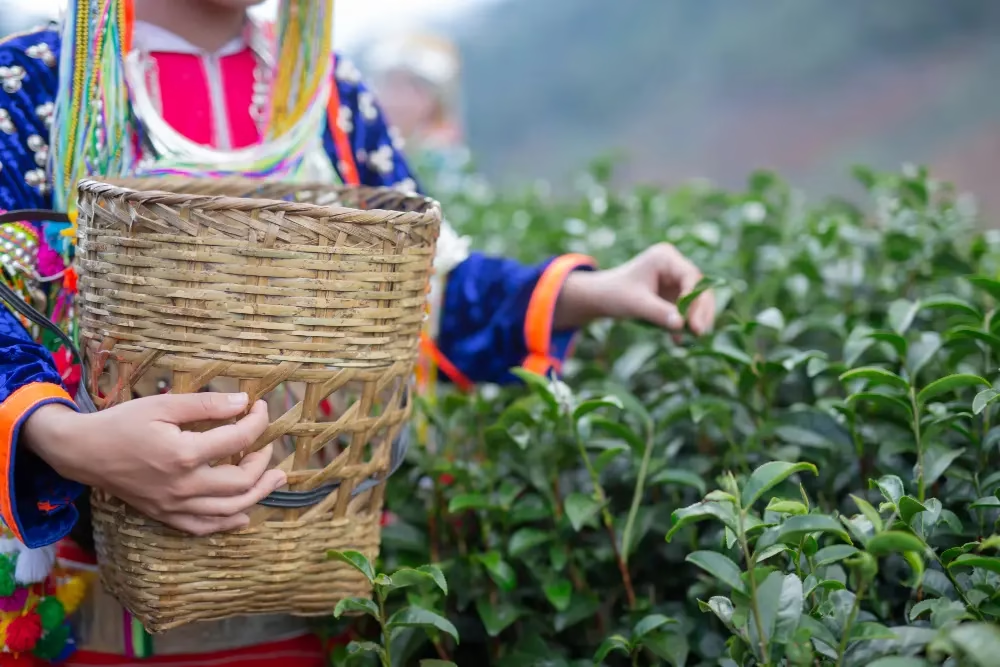
High-Altitude vs. Low-Altitude Teas
- Mountain teas: Slow growth, refined flavor, more nutrients, and intense aroma.
- Low-altitude teas: Fast growth, simpler flavor, and generally more affordable.
If you are looking for a unique sensory experience and extra health benefits, high-altitude teas are the perfect choice.
How to Taste High-Altitude Teas
To fully appreciate the quality of these teas, it’s important to follow a few recommendations:
- Pay attention to the water
Always use filtered or mineral water, preferably at the right temperature:
- Green tea: 70ºC to 80ºC (158ºF to 176ºF)
- Black tea: 90ºC to 95ºC (194ºF to 205ºF)
- Oolong: 80ºC to 90ºC (176ºF to 194ºF)
- Infusion time
Don’t oversteep to avoid bitterness:
- Green tea: 2 to 3 minutes
- Black tea: 3 to 5 minutes
- Oolong: 3 to 4 minutes
- Appropriate vessel
Traditionally, porcelain or clay teapots are used, as they help preserve heat and gradually release aromas.
- Sensory experience
Observe the color of the infusion, smell the aroma, and savor every sip. High-altitude tea is an experience of connecting with nature.
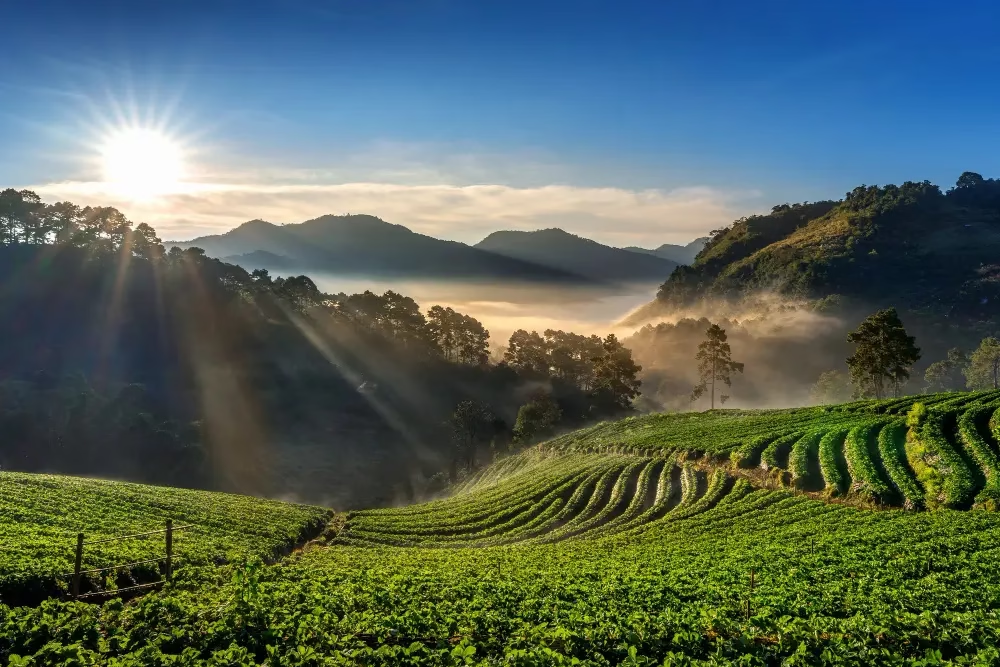
Tips for Including Mountain Teas in Your Routine
- In the morning: Opt for a Darjeeling black tea to start the day with energy.
- In the afternoon: A Taiwanese oolong is perfect for focus and mental clarity.
- At night: Choose a milder Fujian green tea to relax before bed.
The Cultural Value of High-Altitude Teas
More than just a beverage, mountain teas carry history, tradition, and spirituality. In regions like Japan, China, and India, tea is part of the cultural identity, used in ceremonies, meditation, and moments of contemplation.
Drinking a high-altitude tea is also participating in this ancient heritage.
Conclusion: A Trip to the Mountains in Every Cup
High-altitude teas are not just beverages: they are experiences. Every sip brings the freshness of the mountains, the care of artisanal cultivation, and incredible benefits for the body and mind.
Whether for health, well-being, or simply pleasure, including mountain teas in your routine is an invitation to slow down and connect with nature.
👉 Try a high-altitude tea today and discover why these mountain treasures captivate generations all over the world!
