
When discussing Japanese tea, names like Matcha and Sencha immediately come to mind. However, among the most discerning connoisseurs, there is one tea that holds an even more special place: Gyokuro—poetically known as “jade dew.”
Refined, sweet, and steeped in tradition, Gyokuro is considered Japan’s most noble green tea, cultivated with delicate techniques and an artisan care that makes it a true liquid jewel. In this article, we will explore the fascinating origin of this tea, its cultivation process, the correct way to prepare it, and why it is so revered by tea masters and lovers of Japanese culture.
The Origin of Gyokuro: The Birth of a Japanese Legend
The history of Gyokuro dates back to the Edo period, in 1835, when the tea merchant Yamamoto Kahei VI visited the city of Uji, in Kyoto prefecture—the birthplace of Japan’s most prestigious teas.
During his visit, Yamamoto observed that local producers used a unique technique that imparted an intense aroma and smooth texture to the tea. Curious, he took samples to Edo (present-day Tokyo) and attempted to replicate the process. Despite his efforts, he couldn’t reproduce the result.
A few years later, another tea master, Eguchi Shigejura, realized the secret: the leaves were grown in the shade before harvest. This cultivation method became the foundation of what we now know as Gyokuro—a rare, delicate tea with an unparalleled flavor.
The name “Gyokuro” was chosen later, inspired by the appearance of the dried leaves, which resemble drops of jade and produce an infusion with an intense green glow—a true precious dew.
The Art of Cultivation: The Secret Is in the Shade
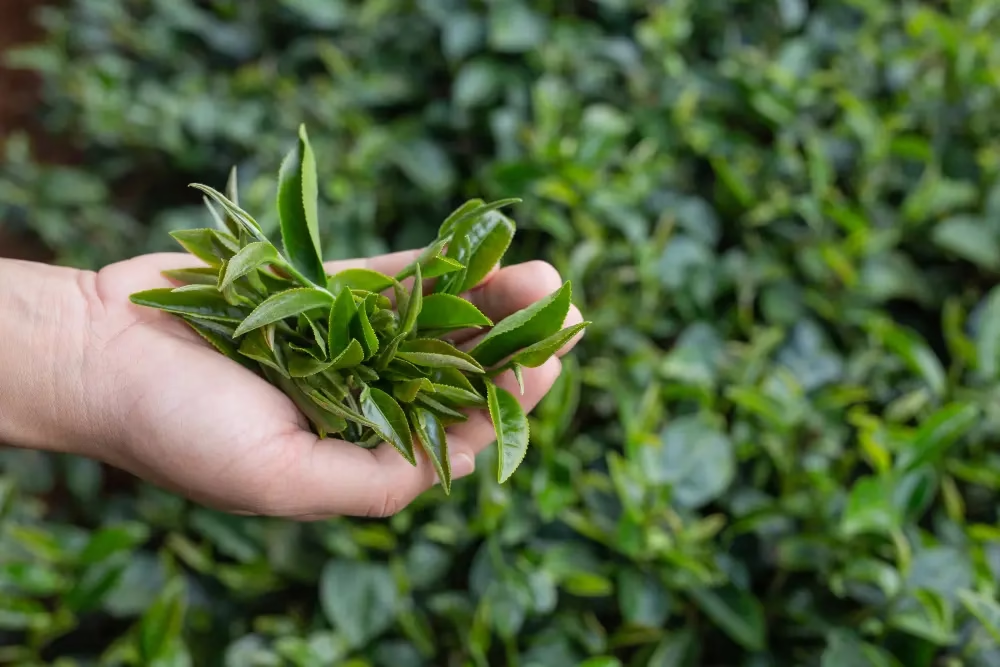
The distinctive quality of Gyokuro begins in the field. It is produced from the Camellia sinensis var. sinensis plant, usually the Yabukita cultivar, the same one used for Sencha.
But while Sencha grows under direct sunlight, Gyokuro is carefully protected from the sun for about 20 to 30 days before harvesting. Traditionally, farmers cover the fields with rice straw, bamboo mats, or special cloths—a technique called “ooishita saibai,” or shaded cultivation.
The Effect of Shade on the Leaves
By reducing sun exposure, the plants slow down the process of photosynthesis. This causes chemical changes that completely transform the flavor and nutritional profile of the leaves:
- Increases the concentration of L-theanine, an amino acid that provides a smooth, sweet flavor and promotes mental relaxation.
- Raises the levels of caffeine and chlorophyll, intensifying the deep green color and the characteristic vegetal aroma.
- Reduces tannins, which are responsible for astringency, resulting in a smoother and more balanced tea.
After the shading period, the young leaves are harvested by hand, selecting only the newest buds—a time-consuming process requiring the utmost care. They are then briefly steamed to halt oxidation, rolled, and slowly dried, preserving the freshness and fragrance as much as possible.
The Difference Between Gyokuro, Sencha, and Matcha
Although they belong to the same family of green teas, these three types differ mainly in their method of cultivation and preparation:
Type of Tea | Cultivation Method | Consumption Form | Characteristic Flavor |
Sencha | Grown under direct sun | Leaf infusion | Fresh, slightly astringent |
Gyokuro | Grown in the shade | Leaf infusion | Sweet, smooth, and full-bodied |
Matcha | Grown in the shade, leaves ground into powder | Whisked in hot water | Intense, creamy, and vegetal |
While Matcha is used in tea ceremonies, Gyokuro is savored during moments of contemplation, considered the pinnacle of elegance in Japanese tea culture.
How to Prepare Gyokuro: A Ritual of Precision and Patience
Preparing Gyokuro demands attention and respect—it is a ritual that values calm, concentration, and the balance between temperature, time, and proportion.
Ideal Ingredients and Utensils
To prepare a perfect cup of Gyokuro, you will need:
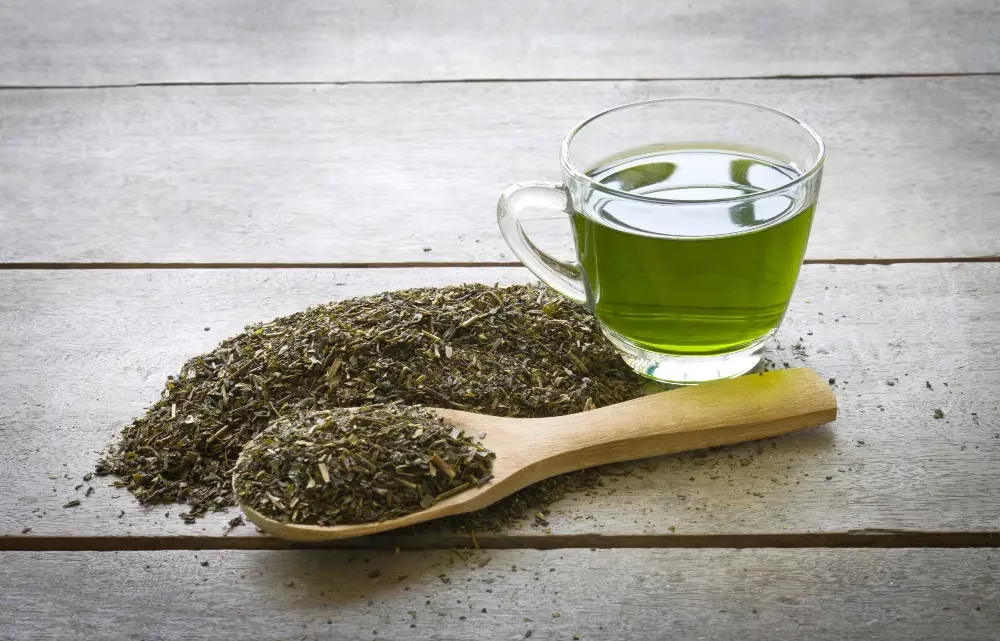
- 5g of dried leaves (approximately 2 teaspoons);
- 60 ml of water per person;
- Water temperature between 40°C and 60°C (much lower than most teas);
- Kyusu (Japanese ceramic teapot) and small cups.
Traditional Preparation Step-by-Step
- Warm the cups and the teapot with hot water to maintain a stable temperature.
- Let the water cool until it reaches about 50°C—this detail is essential to extract the sweetness of L-theanine without making the tea bitter.
- Place the leaves in the teapot and pour the water carefully.
- Steep for 2 to 4 minutes, without stirring.
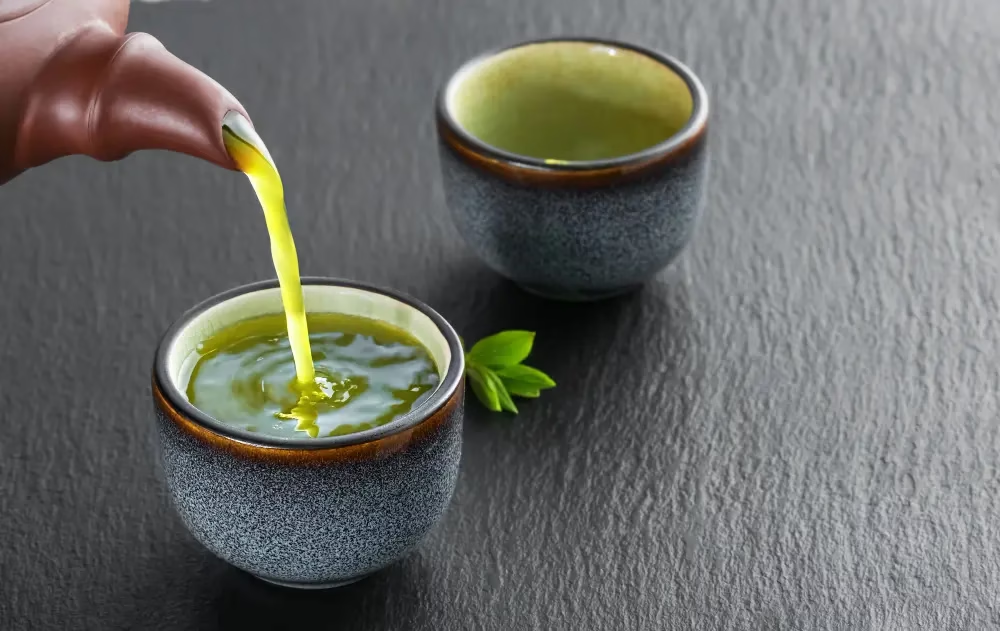
- Pour small portions into each cup, alternating the flow to balance the flavor.
The result is a light green infusion with a profoundly umami flavor—the fifth basic taste, described as “savory” and “pleasantly intense.”
The Flavor of Gyokuro: Sweet, Smooth, and Umami
What makes Gyokuro so special is its unique flavor profile. On the first sip, one can feel sweet and marine notes, followed by a full-bodied texture and a slight vegetal hint.
This combination is the result of the high concentration of L-theanine and chlorophyll, which together create a comforting and sophisticated sensation. For this reason, Gyokuro is known as the tea of the calm mind—it boosts concentration and focus, but without causing agitation, thanks to the balance between caffeine and theanine.
Health Benefits: The Science Behind the Jade Dew
In addition to its tradition and incomparable flavor, Gyokuro is valued for the benefits it offers to the body and mind. Scientific research confirms that it is one of the green tea varieties richest in antioxidants and amino acids.
- Mental Boost with Calm
Thanks to the combination of caffeine and L-theanine, Gyokuro promotes mental alertness without anxiety, improving concentration and cognitive performance.
- Cellular Protection and Rejuvenation
Rich in catechins, powerful antioxidants, Gyokuro helps fight free radicals, slowing down cellular aging and strengthening the immune system.
- Metabolic and Digestive Support
Green tea in general is known to speed up metabolism and aid digestion. Gyokuro, by containing more chlorophyll, also assists in the elimination of toxins and the balance of the digestive system.
- Emotional Well-being
Regular consumption of Gyokuro is associated with reduced stress and improved mood, thanks to the calming effect of L-theanine, which stimulates the production of serotonin and dopamine.
Gyokuro in Japanese Culture: More Than a Tea, an Experience
In Japan, Gyokuro is treated as a symbol of refinement and respect. It is common to offer it to special guests or on ceremonial occasions.
In traditional tea houses (chashitsu), the moment of serving Gyokuro is an act of attention and hospitality, where every gesture carries meaning—from warming the cups to arranging the leaves.
The regions of Uji (Kyoto), Yame (Fukuoka), and Okabe (Shizuoka) are the most renowned for producing high-quality Gyokuro, with Uji being the most prestigious location, boasting cultivation methods passed down through generations.
How to Enjoy Gyokuro in Daily Life
Although considered a luxury tea, Gyokuro can be incorporated into simple moments of relaxation. Here are some suggestions:
- Reserve a moment of calm to savor it unhurriedly, valuing the ritual.
- Pair it with light foods, such as fresh fruit, fish, or Japanese sweets (wagashi).
- Try the second infusion, which reveals softer and more delicate nuances.
- Use the leaves after brewing: they can be eaten with soy sauce—a traditional practice in Japan called cha-tsukemono.
Conclusion: Gyokuro as an Expression of Japanese Harmony
More than a drink, Gyokuro is a sensory and spiritual experience. It represents the essence of Japanese culture: the pursuit of perfection through simplicity, the harmony between nature and human beings, and the pleasure of small things.
Tasting a Gyokuro is savoring patience, care, and the art of time. A cup of this tea not only warms but also inspires presence, serenity, and gratitude—virtues that transform the act of drinking tea into a moment of meditation.
👉 “Have you ever tried Gyokuro? Discover the flavor and serenity of Japan’s most noble tea and turn your break into a ritual of well-being.”
Before trying any tips from this post—such as exercises or herbal teas—be sure to consult a doctor, nutritionist, or qualified health professional. Your body is unique, and taking the right precautions is the first step to a healthy life.
