
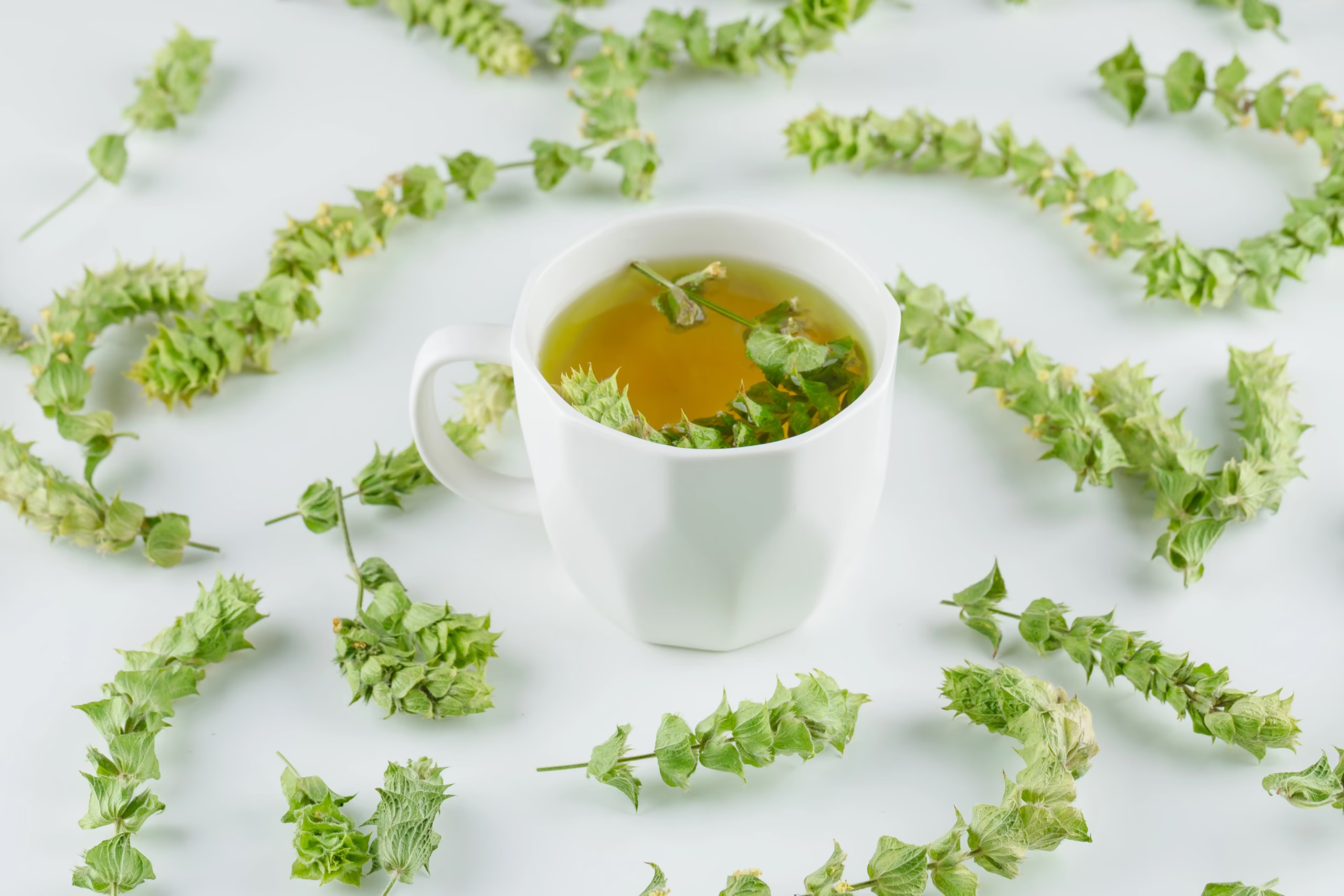
Have you ever heard of Greek Mountain Tea, also known as Sideritis or tsai tou vounou? While it’s not well-known outside the Mediterranean, this caffeine-free tea is gaining popularity in the wellness world. Used since ancient Greece as a therapeutic drink, Sideritis is considered a true treasure of nature—rich in history, tradition, and medicinal properties.
In this article, you will discover:
- The historical and cultural origins of Greek Mountain Tea.
- The main types of Sideritis and their unique flavors.
- The health benefits confirmed by scientific studies.
- How to properly prepare and drink the tea.
- Why it might become the next global trend in the world of tea.
Get your cup ready and get to know this Greek gem!
What Is Greek Mountain Tea?
Unlike black or green tea, Greek Mountain Tea isn’t from the Camellia sinensis plant. It comes from the Sideritis plant, which grows wild in the high mountains of Greece and the Mediterranean, typically at altitudes above 1,000 meters (about 3,300 feet).
The name Sideritis comes from ancient Greek and can be translated as “he who is made of iron.” This is due to both the plant’s resilience in hostile environments and the ancient belief that it helped heal wounds caused by iron weapons.
Greeks also call it “shepherd’s tea,” as it was traditionally prepared by shepherds during winter to warm up and boost immunity.
Plant Characteristics
- Most Common Species: There are over 150 varieties, with Sideritis scardica being one of the most widely used.
- Aroma and Flavor: It has floral, mineral, and citrus notes, with a light earthy touch. Many compare its mildness to chamomile and mint.
- Natural Cultivation: It grows without the need for pesticides, making it a naturally organic tea.
A Tea with a History: From Ancient Greece to Today
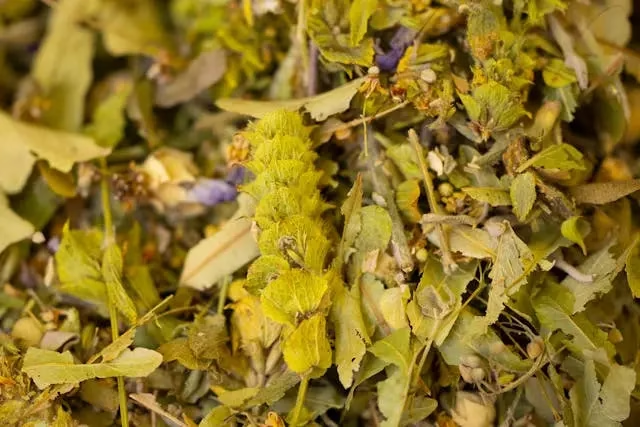
The tradition of Greek Mountain Tea dates back to ancient Greece. Philosophers, doctors, and botanists documented its positive effects long before modern science.
Hippocrates and Medicinal Use
Considered the father of medicine, Hippocrates recommended drinking Sideritis to strengthen the respiratory system and immunity.
Wars and Warriors
During the Peloponnesian War, Spartan warriors believed the tea helped them recover from iron-inflicted wounds—hence its strong connection to the name “iron herb.”
Ancient Writings
- Dioscorides, known as the father of pharmacology, wrote about its healing properties.
- Theophrastus, a philosopher and botanist, also described Sideritis as an ally against diseases.
This cultural heritage has endured for centuries, keeping the tea alive in Greek family traditions.
Benefits of Greek Mountain Tea
While it was considered almost “magical” in ancient times, modern science has confirmed many of the benefits attributed to Sideritis.
- Immune System Boost
Rich in antioxidants and flavonoids, it helps fight free radicals and strengthen the body’s natural defenses.
- Heart Health
Studies show that the tea can help regulate blood pressure and protect cardiovascular health.
- Improved Cognitive Function
A 2016 study in Germany indicated that Greek Mountain Tea may help prevent and even reverse the symptoms of Alzheimer’s disease. The compounds in Sideritis appear to promote cerebral circulation and improve memory.
- Calming and Anxiolytic Effect
Much like chamomile, the tea promotes natural relaxation, helping to combat stress, insomnia, and anxiety.
- Digestive Health
It has also been traditionally used to relieve stomach discomfort and aid digestion.
- Support for Depression and ADHD
Recent research suggests that regular consumption can contribute to mood balance and may help with conditions like mild depression and attention deficit.
Why Do Greeks Drink So Little Tea?
Interestingly, despite its long tradition, Greece ranks only 49th among the countries that consume the most tea.
This happens for a few reasons:
- Coffee has become the predominant beverage in modern Greek culture.
- Mountain tea is seen more as medicine than as a daily beverage.
- It’s mainly consumed in winter or when people are sick.
On the other hand, with the growing global demand for natural and functional drinks, Sideritis has the potential to win over new markets and palates around the world.
How to Prepare Greek Mountain Tea
The preparation is simple, but it requires some care to preserve its flavor and medicinal properties.
Ingredients
- 1 tablespoon of dried Sideritis flowers and leaves
- 250 ml (about 8.5 fl oz) of filtered water
- Honey or lemon (optional)
Preparation
- Heat the water until it’s just about to boil.
- Add the dried flowers and leaves.
- Let it steep for 5 to 10 minutes.
- Strain and serve hot or cold.
Tip: For a stronger flavor, some Greek traditions suggest boiling the herb for a few minutes before letting it steep.
Fun Facts About Sideritis
- Symbol of Resilience: It grows in rocky, arid, and cold environments, showing the plant’s strength.
- Almost Exclusively Greek: While it exists in other Mediterranean countries, Greek Mountain Tea is considered a national icon.
- Cosmetic Use: Recent studies are investigating the antioxidant potential of Sideritis in beauty and anti-aging products.
- International Trend: Premium tea brands are already including Sideritis in their wellness lines.
The Future of Greek Mountain Tea
With the increasing appreciation for functional, organic, and caffeine-free beverages, Greek Mountain Tea has great potential to become the next star of the global tea market.
Beyond its historical tradition, it brings together everything that modern consumers are looking for:
- A pleasant and versatile flavor
- Scientifically proven benefits
- Natural and sustainable cultivation
Conclusion: A Forgotten Treasure That Deserves to Be Rediscovered
Greek Mountain Tea (Sideritis) is much more than a simple herbal infusion: it’s a link between Greece’s ancient tradition and modern science.
Whether to boost immunity, relax after a stressful day, or simply explore new flavors, this drink has everything it takes to win over more fans around the world.
👉 How about trying some Greek Mountain Tea and bringing a piece of history to your cup?
Before trying any tips from this post—such as exercises or herbal teas—be sure to consult a doctor, nutritionist, or qualified health professional. Your body is unique, and taking the right precautions is the first step to a healthy life.
