
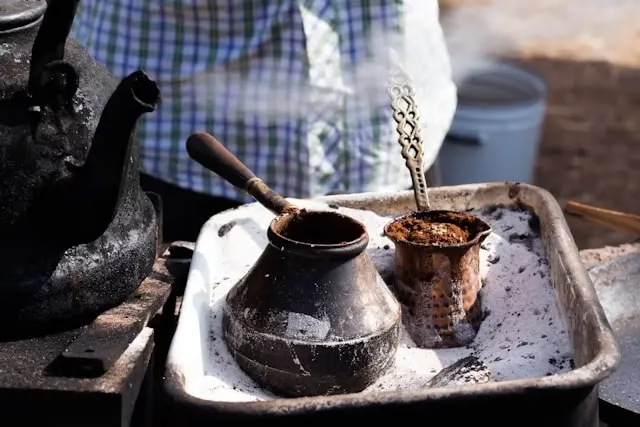
A moment where time slows down, conversations flow naturally, and human bonds are strengthened with every sip. That’s the essence of the Attaya ceremony, a centuries-old West African ritual that goes far beyond simply drinking tea. Found in countries like Senegal, Mauritania, Mali, Gambia, and Guinea-Bissau, Attaya celebrates community, hospitality, and human connection in a unique way.
What Makes Attaya Special
Unlike Japanese tea ceremonies, which focus on meditation and silence, Attaya values spontaneity and social interaction. Lively conversations about politics, soccer, or daily life are part of the ritual, transforming each gathering into a moment of unity and collective learning.
Gunpowder Green Tea: The Heart of the Ceremony
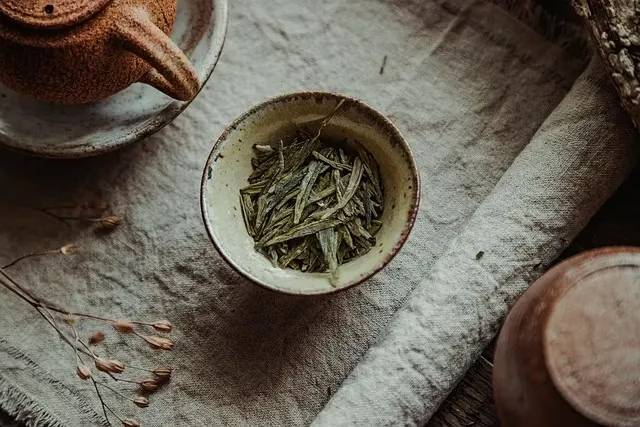
The tea used in the Attaya ceremony is Gunpowder green tea, known for its rolled leaves and intense flavor. It allows for multiple infusions without losing quality, making it perfect for the ritual of the three sacred infusions.
The Three Infusions and Their Meanings
The ceremony is structured in three rounds, each representing a phase of life:
- First Infusion – “Toothless” (Childhood)
- Mild and delicate flavor
- Represents innocence and discovery
- Preparation takes approximately 15-20 minutes
- Second Infusion – “Sweet” (Maturity)
- Balanced flavor, with generous sugar
- Symbolizes prosperity, marriage, and accomplishments
- Often accompanied by blessings
- Third Infusion – “Bitter” (Wisdom)
- More concentrated and bitter flavor
- Represents reflection on life and lessons learned
- A time for contemplation and acceptance
The Social Dimension of Attaya
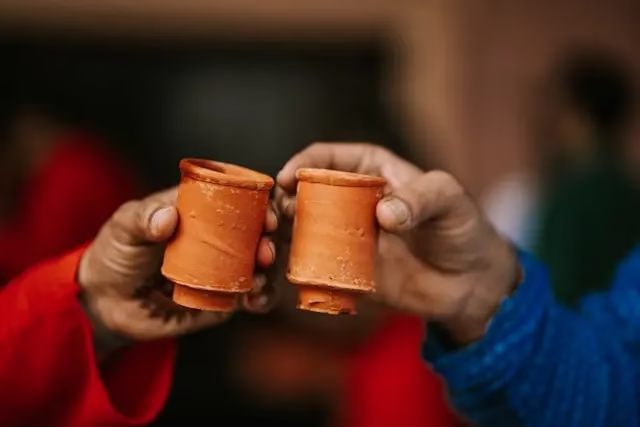
More than just tea, Attaya functions as a ritual of community cohesion. During the ceremony, it’s common to:
- Discuss local events and politics
- Share family stories
- Resolve conflicts and negotiate agreements
- Celebrate collective achievements
- Integrate new community members
Oral Transmission and Practice
The tradition is kept alive through generations: children learn by observing adults, young people gradually take on responsibilities, and elders provide guidance on techniques and cultural meanings.
Preparation and Ritual
Traditional Equipment
- Small metal teapot
- Small glass cups
- Metal tray
- Small spoon
- Sugar cubes
Simplified Step-by-Step
- Heat water until it reaches the ideal boil.
- Measure the tea and perform the first rinse of the leaves.
- Arrange the cups.
- Steep for 3-5 minutes initially.
- Taste, adjust sugar, and create a foam when pouring.
- Reuse the leaves for the other infusions, respecting the symbolism of each round.
Social Protocol
- Accepting all infusions shows respect.
- Expressing opinions on flavor and quality is expected.
- Participating in conversations, avoiding prolonged silence.
- Valuing time: the ceremony should not be rushed.
- Contributing interesting topics strengthens the atmosphere.
Cultural and Psychological Benefits
Strengthening Community
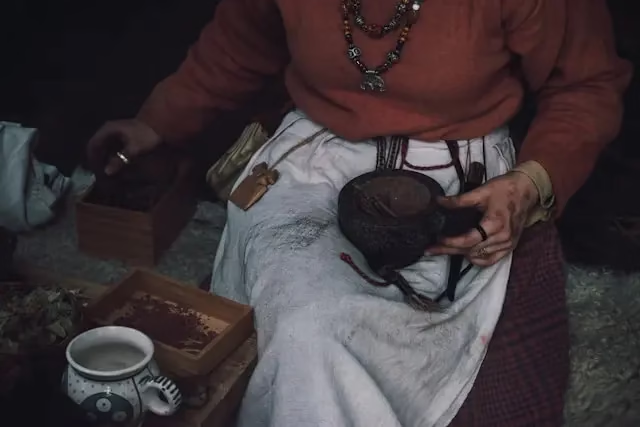
Attaya helps resolve conflicts, integrate members, transmit values, and celebrate collective achievements.
Mental Well-Being
- Reduction of stress and anxiety
- Sense of belonging
- Natural mindfulness
- Creation of authentic connections
- Emotional stability
Regional Variations
- Senegal: Served after meals, often with music and political debates.
- Mauritania: Adapted to nomadic life, with Arabic elements and desert symbolism.
- Mali: Combines tradition and urban life, integrating colonial and ethnic influences.
How to Experience Attaya
Preparing Your First Ceremony
You’ll need: Gunpowder tea, a small teapot, glass cups, sugar cubes, and a tray.
Essential Steps:
- Create a welcoming atmosphere.
- Invite friends or family.
- Follow the ritual of the three infusions.
- Encourage conversation.
- Maintain patience and appreciation for the moment.
Where to Find Authentic Experiences
- African cultural centers
- Specialty restaurants
- Immigrant communities
- Cultural workshops
- Travel and cultural tours
The Future of Attaya
Despite modernization and the acceleration of urban life, there are efforts to preserve the tradition:
- Anthropological documentation
- Cultural education in schools
- Festivals and cultural events
- Dissemination via social media
- Authentic cultural tourism
Lessons for the Modern World
Attaya teaches us about the value of shared time, genuine presence, and meaningful rituals. Contemporary applications include:
- Extended coffee talks
- Digital detox moments
- Slow living practices
- Mindful gatherings
- Creation of family rituals
Start Your Journey with Attaya
The Attaya ceremony isn’t just about tea: it’s about people, stories, and moments that enrich life. Try a simple version: invite friends, prepare the tea, turn off devices, and allow yourself to experience the genuine connection this tradition offers.
Before trying any tips from this post—such as exercises or herbal teas—be sure to consult a doctor, nutritionist, or qualified health professional. Your body is unique, and taking the right precautions is the first step to a healthy life.
