

Have you ever noticed how a simple cup of tea can completely change your day? More than a comforting drink, tea is a powerful ally for physical, mental, and emotional health. From ancient traditions to modern science, the benefits of tea go far beyond its flavor.
In this article, you will discover:
- The difference between true teas and herbal infusions.
- How the preparation ritual can impact your well-being.
- The best teas for each time of day.
- Cultural traditions and modern trends in tea consumption.
Get ready to find a path to balance and vitality in your cup. 🍵
True Tea vs. Herbal Infusions: What’s the Difference?
Teas from Camellia sinensis
All true teas come from the same plant: Camellia sinensis. The difference lies in the processing:
- Green Tea – Rich in antioxidants, promotes energy and focus.
- Black Tea – Intense flavor, an ally for cardiovascular health.
- White Tea – Delicate and a powerful antioxidant.
- Oolong Tea – A balance between green and black, good for metabolism.
- Pu-erh Tea – Fermented, aids digestion and metabolism.
Herbal Infusions (Tisanes)
Herbal infusions, on the other hand, are made from herbs, flowers, and fruits. Among the most popular are:
- Calming: chamomile, lemon balm, lavender.
- Digestive: peppermint, fennel, ginger.
- Energizing: yerba mate, guarana, ginseng.
👉 Tip: Choose the right tea for your needs—whether it’s for energy, relaxation, or digestive wellness.
The Power of the Tea Ritual
Preparing and drinking tea is more than hydration—it’s a therapeutic ritual. Studies show that the act of steeping the infusion activates the parasympathetic nervous system, which is responsible for relaxation.
Steps that Calm Body and Mind
- Mindful preparation – choosing the herb with intention.
- Heating the water – the sound is relaxing.
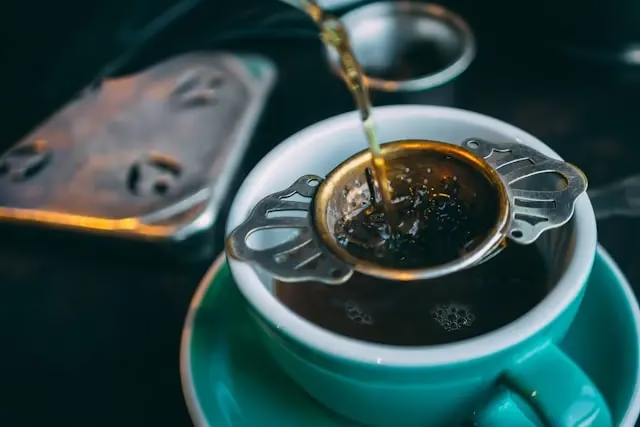
- Steeping – the waiting time encourages presence and patience.
- Tasting – a sensory experience that promotes mindfulness.
Moreover, the aroma of tea activates the limbic system, which is responsible for emotions and memories. This explains why certain teas bring us cherished memories.
The Right Tea for Each Time of Day
Tea consumption can be adapted to the body’s rhythms:
- Morning (6 a.m.–10 a.m.): green tea, yerba mate, or black tea for balanced energy.
- Afternoon (10 a.m.–6 p.m.): hibiscus, rooibos, peppermint, or white tea for focus without anxiety.
- Evening (6 p.m.–10 p.m.): chamomile, lemon balm, or passion flower to relax and prepare for sleep.
Tea Traditions and Cultures
Tea is a part of many cultures around the world:
- China (Gong Fu Cha): Patience and meditation are central to the ritual.
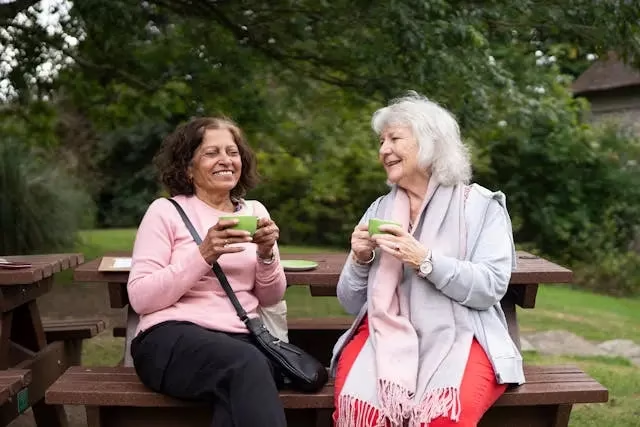
- England: Elegance and socializing are key to afternoon tea.
- South America: Sharing yerba mate is a symbol of unity.
Each tradition reinforces that tea is more than a drink—it’s about connection, pause, and community.
Slow Tea: A New Consciousness in Consumption
Inspired by the “slow living” movement, slow tea encourages:
- Sustainability: organic farming and eco-friendly packaging.
- Social justice: supporting small producers and fair trade.
- Wellness: valuing a pause and conscious consumption.
👉 Create a special tea corner at home and turn this habit into a daily self-care ritual.
Cautions and Contraindications
Despite the countless benefits, it’s important to be mindful:
- Pregnant individuals and those with high blood pressure should avoid excessive stimulating teas.
- Anyone who suffers from insomnia should reduce caffeine consumption in the afternoon.
- Drug interactions can occur with blood thinners and anxiolytics.
If your goal is therapeutic use, always consult a healthcare professional.
The Future of Tea: Blending Tradition and Innovation
Tea is constantly evolving:
- Functional: blends with adaptogens, nootropics, and detox ingredients.
- Personalized: blends created according to individual needs.
- Technological: smart kettles and automatic infusers.
Tradition remains, but with modern touches that further expand the world of tea.
Conclusion: A Transformation with Every Cup
Tea is more than a beverage—it’s an invitation to balance, pause, and self-connection. Each sip can bring calm, energy, or mental clarity, depending on your choice.
🌱 Take the first step today: prepare a special cup, choose the herb that resonates most with your needs, and turn this moment into a ritual of well-being.
Before trying any tips from this post—such as exercises or herbal teas—be sure to consult a doctor, nutritionist, or qualified health professional. Your body is unique, and taking the right precautions is the first step to a healthy life.
