
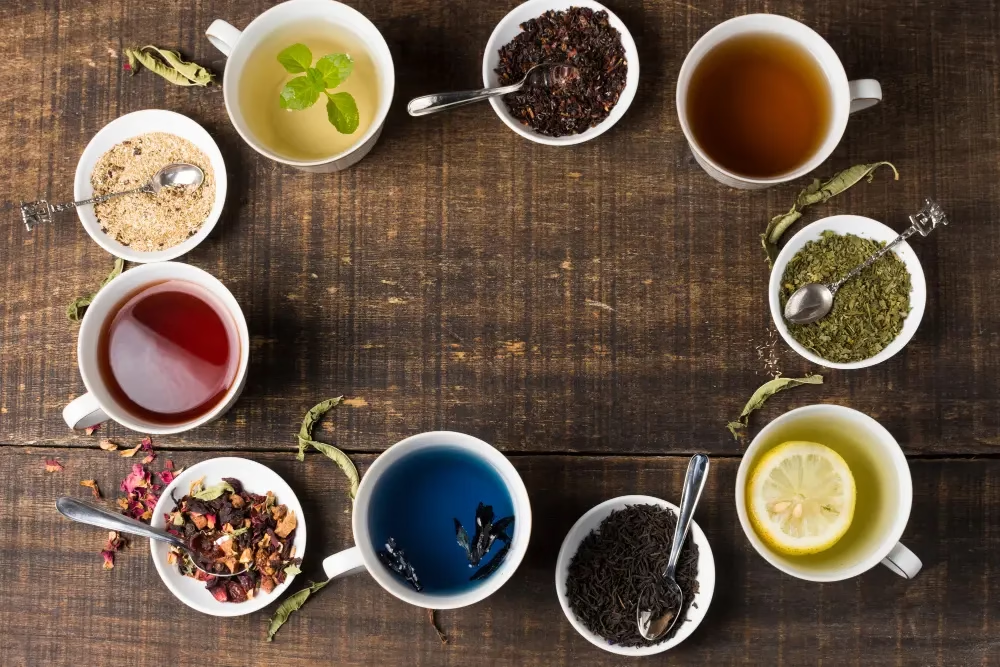
A cup of tea can be so much more than just a hot drink: it’s a natural ally for taking care of your physical and emotional health. Used for centuries across various cultures, teas combine flavor, comfort, and therapeutic properties that help balance the body and mind.
In this article, you will learn about the main types of tea, their proven benefits, how to prepare them correctly, and essential precautions for including this practice in your self-care routine.
Why is Tea So Good for Your Health?
The herbs used in teas are full of bioactive compounds, such as flavonoids, tannins, polyphenols, and essential oils. These are responsible for therapeutic effects that range from anti-inflammatory actions to calming and antioxidant properties.
Additionally, tea helps with hydration, strengthens the immune system, and can replace synthetic medications in mild cases. It also serves as a moment of pause and connection with yourself, helping with emotional well-being.
Main Benefits of Regular Tea Consumption
The moderate and mindful consumption of tea can:
- Alleviate symptoms of colds and inflammation
- Reduce stress, anxiety, and insomnia
- Stimulate digestion and fight gas
- Boost metabolism and assist with weight loss
- Act as an antioxidant against premature aging
- Support liver, kidney, and intestinal health
- Regulate cholesterol and glucose
- Strengthen immunity
- Improve circulation and blood pressure
👉 Tip: Avoid sweetening your tea. This way, you get the most out of its benefits.
Types of Tea and Their Therapeutic Functions
🧘♀️ Calming and Relaxing
Perfect for reducing stress and improving sleep:
- Chamomile – calming and digestive.
- Lemon balm – a mild sedative and antioxidant.
- Passionflower – anxiolytic and a muscle relaxant.
- Lavender – relieves tension and PMS.
🌱 Digestive and Anti-Gas
Recommended after heavy meals:
- Fennel – fights gas and cramps.
- Star anise – aids in digestion.
- Caraway – stimulates digestive enzymes.
- Rosemary – improves digestion and provides energy.
🌡️ For Colds and Immunity
Helps fight viruses and inflammation:
- Peppermint – a natural expectorant.
- Ginger with lemon – antibacterial and anti-inflammatory.
- Echinacea – strengthens the immune system.
- Cinnamon – thermogenic and recommended for coughs.
🔥 Thermogenic and Diuretic (Weight Loss)
Speeds up metabolism and reduces fluid retention:
- Green tea – antioxidant and stimulant.
- Hibiscus – diuretic and an ally for blood pressure.
- Horsetail – fights cellulite and aids in detoxification.
- Ginger – speeds up metabolism and relieves pain.
⚡ Analgesic and Anti-Inflammatory
Reduces pain and inflammatory processes:
- White willow – has a similar effect to aspirin.
- Turmeric with black pepper – a powerful anti-inflammatory.
- Basil – fights mild infections.
- Peppermint – recommended for migraines and cramps.

How to Prepare Tea Correctly
To preserve the active compounds, follow these guidelines:
- Leaves and flowers: Boil the water, turn off the heat, add the herb, cover, and let it infuse for 5 to 10 minutes.
- Roots and barks: Place them in cold water, boil for 10 to 15 minutes, cover, let it cool a bit, and strain.
⚠️ Important: Never boil flowers and leaves with the water, as this can reduce their therapeutic properties.
Essential Precautions When Consuming Teas
Even though they are natural, teas can cause adverse effects if consumed in excess or without proper guidance.
Avoid:
- Drinking large amounts daily without a break
- Mixing various herbs without knowing their interactions
- Replacing prescribed medications solely with teas
Pay special attention to:
- Pregnant and breastfeeding women
- Young children
- People with heart, liver, or kidney diseases
- People with high blood pressure and diabetes
- Individuals using continuous medications
In all these cases, it’s best to seek guidance from a doctor or a qualified herbalist.
Tea as a Self-Care Ritual
In addition to the physical benefits, tea can be a moment of pause and connection. Turn this practice into a ritual:
- A digestive tea after lunch
- A calming infusion at the end of the day
- A tea break during work or study
- A “tea time” with friends or family
Conclusion: Transform Your Health with the Power of Teas
Teas are accessible, versatile, and effective allies for improving physical and emotional health. By choosing the right herbs, preparing them correctly, and consuming them in moderation, you can strengthen your body and find mental balance in small moments throughout your day.
Before trying any tips from this post—such as exercises or herbal teas—be sure to consult a doctor, nutritionist, or qualified health professional. Your body is unique, and taking the right precautions is the first step to a healthy life.
