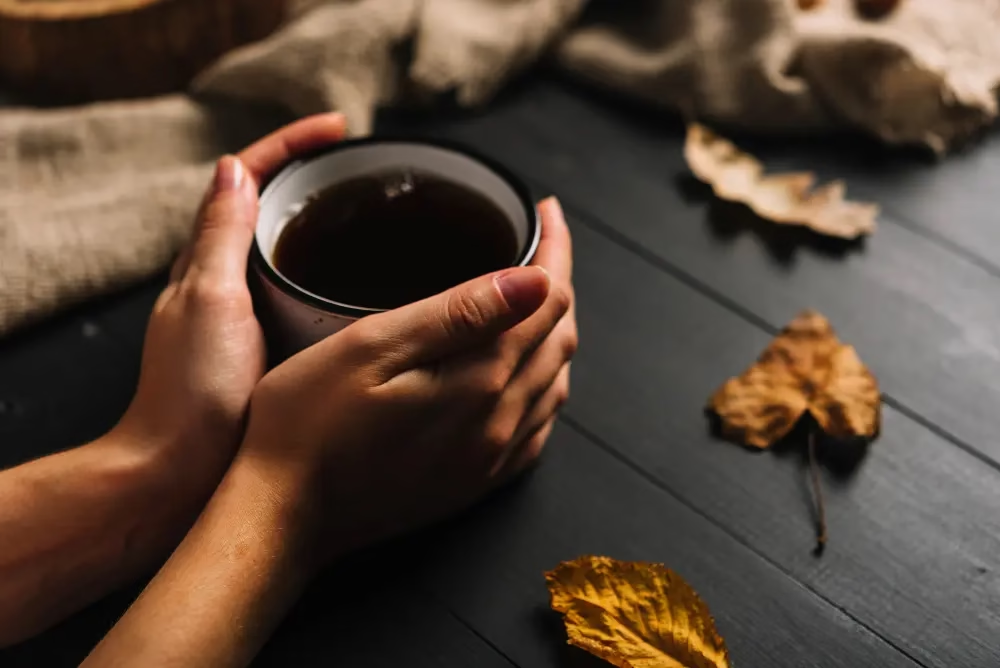
You’ve probably heard it a thousand times: “Just drink some chamomile tea, you’ll relax.”
It sounds like old-school grandma advice. But there’s actual science behind it—along with a fair share of marketing hype.
Anxiety is one of the most common mental health struggles today. More and more, people are looking for natural alternatives before jumping straight to medication.
Tea is a great option. But hold on: just throwing any random leaf into hot water won’t solve the problem.
In this post, we’re comparing the three heavy hitters for anxiety, explaining how they hit your system, and helping you pick the one that actually makes sense for you.
The Big Three: Chamomile, Lemon Balm, and Passionflower
When it comes to sipping your way to calm, these three names always pop up. And for good reason.
Each one has a different “mechanism of action.” Understanding this changes how—and when—you use them.
- Chamomile: The Classic Science Takes Seriously
Chamomile is likely the most-studied tea for anxiety.
Its main active compound is apigenin—a flavonoid that binds to the same brain receptors targeted by some anti-anxiety meds. Yes, the mechanism is similar to Valium, just much, much gentler.
Studies in the Journal of Clinical Psychopharmacology showed a real improvement in generalized anxiety symptoms for people using chamomile extract over several weeks.
In short: It helps best with that “everyday” anxiety—the built-up tension and the struggle to “switch off” before bed.
- Best time: Nighttime, about 30 minutes before sleep.
- Lemon Balm: For the “Nervous Stomach”
Lemon balm (also called Melissa) is the go-to for those who feel anxiety in their entire body.
You know that “pit in your stomach” feeling when you’re nervous? This is for you.
It contains rosmarinic acid, which inhibits an enzyme that breaks down GABA—a neurotransmitter that naturally lowers your nervous system’s excitement.
In other words: It helps your brain hang onto the stuff that keeps you chill. Research shows it also boosts mood and reduces agitation during acute stress, like right before a big presentation.
- Best time: Afternoon or evening, especially on high-pressure days.
- Passionflower: The Heavy Hitter
Passionflower (Passiflora) is the powerhouse of the trio.
It contains flavonoids that also act on GABA receptors, but with a more pronounced effect than lemon balm.
One study even put passionflower head-to-head with Oxazepam (a pharmaceutical sedative). The result? Similar effectiveness for mild-to-moderate anxiety, with fewer side effects in the plant group.
It’s especially useful for anxiety-driven insomnia—when your mind just won’t stop racing at 2 AM.
- Best time: Nighttime only. It can definitely make you groggy during the day.
How to Choose the Right One for You
There’s no one-size-fits-all answer. It depends on how your anxiety shows up.
Here’s the quick cheat sheet:
- Mild evening tension & trouble relaxing:
- Nervous stomach & daytime jitters: Lemon balm.
- Racing thoughts & anxiety-driven insomnia:
Pro-tip: Quality matters. Supermarket tea bags often have a much lower concentration of active ingredients than fresh herbs or high-quality loose-leaf tea. If you want real results, go for the good stuff.
The Reality Check: When Tea Isn’t Enough
This is the part nobody likes to hear, but it’s the most important.
Tea is a support tool. It is not a cure.
If anxiety is interfering with your job, your relationships, or stopping you from doing things you love—that’s a sign you need professional help.
Tea doesn’t replace therapy. Tea doesn’t replace a psychiatrist. It doesn’t treat GAD (Generalized Anxiety Disorder), panic disorder, or OCD.
That said, for situational stress and daily tension, these are real allies with scientific backing and almost zero side effects when used in moderation.
A Few Quick Safety Notes
- Pregnancy: Avoid passionflower; it’s generally contraindicated.
- Allergies: If you’re allergic to daisies or chrysanthemums, you might react to chamomile.
- Medication: If you’re already on anti-anxiety meds or antidepressants, talk to your doctor before mixing in herbal remedies.
- Moderation: More isn’t better. Three cups a day is plenty.
The Bottom Line: Which One Actually Works?
All three work. Just in different ways.
Chamomile is your gentle entry point. Lemon balm is versatile and great for “body anxiety.” Passionflower is the big gun for when things get intense.
The secret is using the right one, at the right time, with realistic expectations.
A cup of tea won’t fix chronic anxiety overnight. But on a heavy afternoon or a restless night? A well-brewed cup might be exactly what your body is asking for.
🌿 Found this helpful?
Share it with someone who’s always “on” and needs a break.
👇 Drop a comment: Have you tried any of these? Did you feel a difference?
Before trying any tips from this post—such as exercises or herbal teas—be sure to consult a doctor, nutritionist, or qualified health professional. Your body is unique, and taking the right precautions is the first step to a healthy life.
