
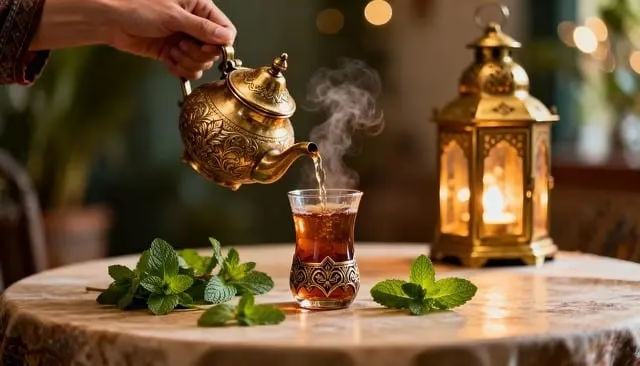
The Moroccan tea ceremony is one of the most iconic in the world, standing alongside Chinese and Japanese traditions. Far more than a simple beverage, tea in Morocco is a profound symbol of hospitality, cultural identity, and social connection.
In the West, this ritual has gained immense popularity. In countries like Spain, for example, Arabic-style tea houses are now a staple of the urban landscape and have become mandatory stops on weekend outings. Fortunately, you no longer need to travel to North Africa to experience it: the Moroccan tea ceremony can be recreated at home by honoring its essential elements.
In this article, you will discover the history of tea in Morocco, how to properly prepare Moroccan tea, the traditional utensils used, the cultural significance of the ritual, and the regional variations of Arabic tea.
What is Moroccan Tea?
Known as Moroccan tea, Moorish tea, or simply mint tea, this drink is prepared using:
- Chinese green tea
- Fresh mint leaves (spearmint)
- A large amount of sugar
In Arabic, Moroccan tea is called شاي بالنعناع (shay bil na’na), which literally means “tea with mint,” or simply Shay. Despite its simple ingredients, Moroccan tea carries impressive cultural weight and is consumed daily by people of all ages and social classes across the country.
Traditional Ingredients
To prepare authentic Moroccan tea, certain ingredients are indispensable.
Chinese Green Tea
The tea traditionally used is of Chinese origin, primarily:
- Gunpowder: Leaves rolled into small pellets, offering an intense and slightly bitter flavor.
- Chun Mee: Longer leaves with a vegetal profile and mild acidity.
These teas hold up well to the high temperatures and bold pairings characteristic of the Moroccan preparation.
Fresh Mint
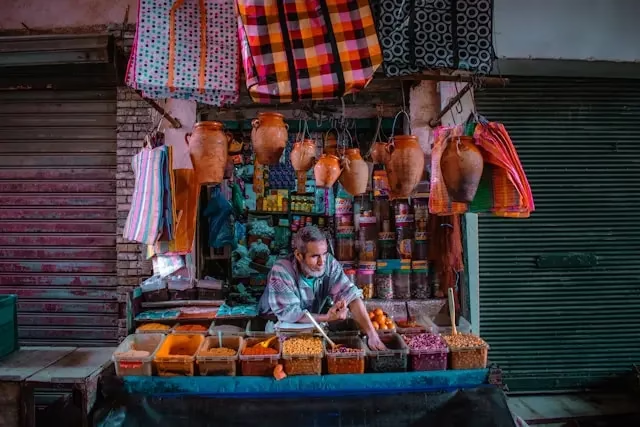
The true star of Moroccan tea is fresh mint. There is no Moorish tea without a generous handful of green, aromatic leaves. In the streets of Morocco, it is common to see vendors transporting large bundles of freshly harvested mint, often on donkeys or carts.
Sugar
Moroccan tea is famous for being very sweet. Traditionally, white sugar is used, which in Morocco is often sold in large solid cones about 8 to 12 inches high. These blocks are broken with small hammers to measure out the necessary amount.
Why is Moroccan Tea Bitter and Sweet at the Same Time?
One of the most striking characteristics of Moroccan tea is the contrast between bitterness and sweetness. This happens because:
- The green tea leaves are prepared with boiling water.
- In many cases, the tea is boiled directly over the fire (a decoction process).
- This method extracts bitter compounds from the green tea.
To balance this intense bitterness, a generous amount of sugar is added, creating a drink that is strong, aromatic, and surprisingly well-balanced.
Utensils of the Ceremony
The ritual would not be complete without its traditional utensils, which also hold symbolic value.
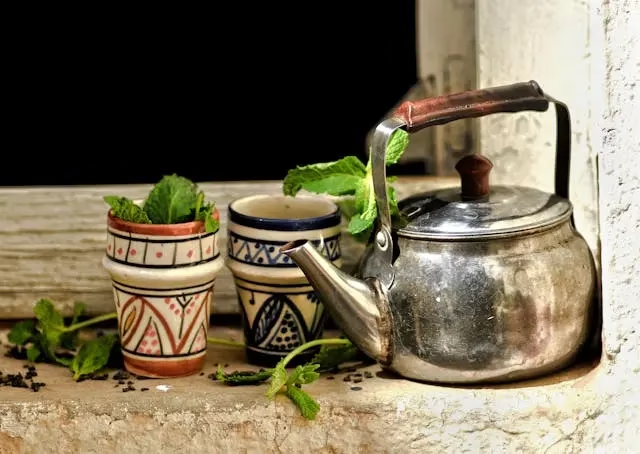
- Moroccan Teapot (Berrad): Usually made of metal (silver, nickel silver, or stainless steel), it features a long, curved spout—ideal for pouring the tea from a height.
- Glass Cups: Tea is served in small glasses, often decorated with colorful or golden patterns.
- Tray: A metal tray holds the teapot and glasses, creating an elegant and ritualistic presentation.
Pro Tip: Pouring the tea from a height isn’t just for show; it helps aerate the drink and creates a light foam on the surface, which is the sign of a well-prepared tea.
Tea as a Symbol of Hospitality
In Morocco, tea is deeply linked to social life. It is offered:
- As a welcoming gesture
- Before meetings and negotiations
- At family gatherings
- In shops and markets
Refusing a cup of tea can be interpreted as impolite or disrespectful. To accept the tea is to accept the hospitality, time, and attention of the host. For this reason, it is popularly known as “Berber Whiskey”—not because it contains alcohol, but because of its constant presence and symbolic value.
Who are the Berbers?
The Berbers (Amazigh) are the indigenous people of North Africa, especially southern Morocco and the Maghreb regions. Known as “the people of the desert,” they have inhabited these lands for thousands of years. Living in arid and mountainous regions, they developed a culture deeply connected to nature, survival, and hospitality—values reflected in the tea ritual.
The History of Tea in Morocco
Although tea is not native to Morocco, its introduction to the country is surrounded by interesting stories.
The Arrival of Green Tea
Records indicate that:
- In the 17th and 18th centuries, tea arrived as a European diplomatic gift to the Moroccan royalty.
- In the 19th century, English merchants brought large shipments of Chinese green tea to the port of Tangier.
- Originally destined for the Baltic Sea, the Crimean War diverted the trade route to Morocco.
The local population quickly fell in love with the drink, incorporating it into their daily customs.
How the Ceremony Evolved
The tea ceremony evolved from practical necessity. In desert regions, available water was not always safe to drink, leading communities to:
- Boil the water before drinking.
- Add aromatic herbs like mint.
- Use spices to improve the flavor.
With the arrival of green tea and sugar, this practice transformed into the ritual we know today.
Tea in the Desert and Trade Caravans
For centuries, caravans crossed the Sahara Desert on trade routes connecting cities like Timbuktu to North Africa and the Middle East. Travelers rested in jaimas (traditional tents) where they would:
- Sit in a circle
- Share stories
- Drink hot tea around the fire
In this context, tea symbolized protection, unity, and rest.
Regional Variations
While Moroccan tea is the most famous, several regional variations exist:
- Tunisia: It is common to add pine nuts to the tea, creating a sophisticated, slightly buttery flavor.
- Turkey: The most consumed tea is black tea, usually served plain or accompanied by an apple infusion.
- Egypt: Karkadé stands out—a crimson hibiscus infusion with a tart flavor, consumed hot or cold.
- Mediterranean Region: It is common to add orange blossom water or rose water, giving the drink an intense and elegant floral aroma.
Conclusion: More Than Tea, a Ritual of Connection
Moroccan tea is much more than a hot drink with mint and sugar. It represents:
- Hospitality
- Culture
- Collective memory
- Socializing
- Conscious pause
When you prepare Moroccan tea, you aren’t just following a recipe; you are participating in an ancestral ritual that has crossed deserts, empires, and generations.
🔔 Take care of yourself responsibly!
Before trying any tips from this post—such as exercises or herbal teas—be sure to consult a doctor, nutritionist, or qualified health professional. Your body is unique, and taking the right precautions is the first step to a healthy life.
