
Aging is a natural and inevitable experience—but how we age heavily depends on our habits, choices, and the way we take care of our bodies and minds throughout life. Although aging brings changes like loss of strength, skin alterations, and reduced cognitive abilities, we know today that it is possible to slow down these effects and achieve a longer, more active, and healthier life.
Aging is the result of the gradual accumulation of damage to cells, influenced by both internal factors (such as genetics and hormones) and external elements (such as diet, sun radiation, stress, and pollution). Therefore, understanding how this process works is essential for adopting habits that truly make a difference in your quality of life.
Below, you will find a complete and up-to-date guide on aging, its signs, its causes, and, most importantly, what you can do—in a practical way—to age with vitality, energy, and well-being.
What is Aging?
Aging is a biological process that happens to all of us since birth. As time passes, the body gradually loses its ability to regenerate, repair tissues, and maintain the optimal functioning of organs. This slowdown affects muscles, skin, bones, the brain, and even the immune system.
From a scientific point of view, aging is primarily associated with the accumulation of cellular damage that occurs throughout life due to:
- Oxidative stress;
- Chronic inflammation;
- Hormonal decline;
- Reduced efficiency of mitochondria (responsible for cell energy);
- Shortening of telomeres, structures that protect DNA.
Even though it is a natural process, the way it happens varies widely from person to person. While some age healthily and functionally, others show premature signs due to lifestyle and environmental factors.
Main Signs of Aging
The signs of aging can appear gradually and, often, silently. They range from changes in appearance to alterations in physical and cognitive health.
Among the most common signs are:
- Loss of strength and endurance, making daily activities difficult;
- Reduced mobility and increased joint stiffness;
- Mild cognitive decline, such as memory lapses and slower reasoning;
- Skin changes, including spots, wrinkles, dryness, and sagging;
- Weakening of muscles and bones, increasing the risk of falls and fractures;
- Decreased vision, hearing, and smell;
- Greater vulnerability to chronic diseases, such as diabetes, hypertension, and heart problems.
These signs emerge because cells begin to replicate less efficiently and release inflammatory substances that impair tissue renewal.
Premature Aging: When the Body Ages Ahead of Time
Premature aging occurs when typical signs of age appear much earlier than expected, usually before age 35. This happens when the body rapidly loses its ability for cellular regeneration.
Common causes include:
- Excessive sun exposure without protection;
- Diet poor in nutrients;
- Smoking and high alcohol consumption;
- Pollution and exposure to environmental toxins;
- Chronic stress;
- Poor sleep and a deregulated routine;
- Genetic predisposition.
Premature aging affects not only appearance—such as wrinkles and skin spots—but also internal organs and metabolic systems, increasing the risk of diseases throughout life.
Skin Aging: Why It Happens and How to Prevent It
The skin is the most visible organ and one of the first to show the effects of age. This occurs because it is directly influenced by internal and external factors.
Internal Factors That Accelerate Skin Aging
✔ Hormonal Factors
The drop in sex hormones, such as estrogen and testosterone, reduces collagen production, elasticity, and skin firmness.
✔ Genetic Factors
Genetics determines the speed at which skin cells replicate and repair. Some people are born with a greater propensity for accelerated aging.
External Factors That Affect the Skin
- Sun exposure without protection;
- Smoking;
- Excessive alcohol;
- Pollution;
- A diet rich in sugar and ultra-processed foods;
- Stress and poor sleep.
Over time, these factors damage collagen, increase the production of free radicals, and make the skin thinner, drier, and prone to spots and wrinkles.
Types of Aging
Aging can be divided into two main types that help us understand why people of the same age can have such different states of health.
- Chronological Aging
This is the simple passage of time.
- It happens regardless of lifestyle habits and is related to genetics and each person’s own biological rhythm.
- Biological Aging
This refers to the body’s actual state—which can be younger or older than the chronological age.
It directly depends on the accumulation of:
- Cellular damage,
- Internal inflammation,
- Lifestyle habits,
- and Environmental factors.
Two individuals who are 40 years old can have completely different “biological ages”: one may have an organism equivalent to a 30-year-old, while another may show the wear and tear of someone over 60.

What to Do to Age Healthily
Although aging is inevitable, it is entirely possible to slow down its effects and maintain vitality. Studies show that simple changes, when adopted consistently, can increase longevity and improve the quality of life.
Below, check out essential habits for aging well.
- Adopt a Balanced, Nutrient-Rich Diet
Nutrition is one of the pillars of healthy aging. A diet rich in vegetables, fiber, lean proteins, and healthy fats helps fight inflammation, oxidative stress, and cellular damage.
Include in your daily life:
- Berries (powerful antioxidants);
- Green tea;
- Olive oil and nuts;
- Fish rich in omega-3;
- Dark green vegetables;
- Whole grains.
Extra Tip:
Selenium—found in Brazil nuts, seafood, and poultry—helps slow down cellular aging and strengthen the immune system.
- Practice Physical Activity Regularly
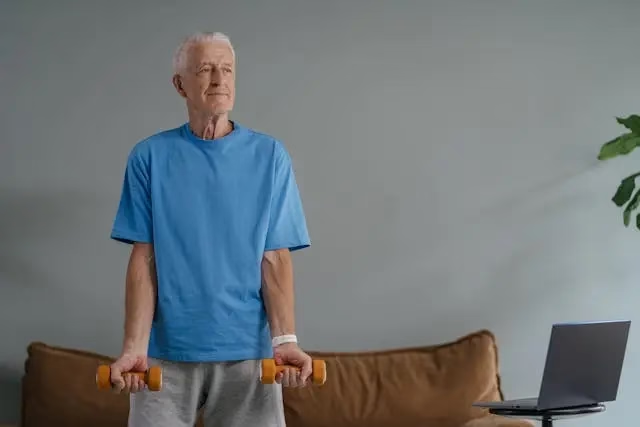
Physical exercise is considered one of the most powerful tools for keeping the body young for longer.
Ideal Activities:
- Walking, running, or cycling (aerobic exercises);
- Pilates, yoga, or weight training (strength training);
- Daily stretching to improve flexibility.
Benefits:
- Strengthening of muscles and bones;
- Reduced risk of chronic diseases;
- Improved mood and mental health;
- Stimulation of memory and reasoning;
- Prevention of falls and injuries.
The brain also ages more slowly when the body is active, as exercise increases blood flow and stimulates the production of new neurons.
- Sleep Well and Respect Your Body’s Cycle
Sleep is essential for cellular repair and hormonal balance.
To sleep better:
- Maintain a fixed time to go to bed and wake up;
- Avoid screens and blue light before bed;
- Keep the environment dark, quiet, and comfortable;
- Avoid heavy meals in the evening.
Sleeping too little or poorly accelerates aging by increasing inflammation and impairing the function of the immune system.
- Avoid Smoking and Limit Alcohol Consumption
Smoking and alcohol significantly accelerate internal and external aging.
Effects of Smoking:
- Reduces tissue oxygenation;
- Accelerates sagging and wrinkles;
- Damages blood vessels;
- Increases chronic inflammation.
Excessive Alcohol:
- Harms the liver, brain, and skin;
- Increases free radicals;
- Decreases absorption of essential nutrients.
- Manage Stress Daily
Chronic stress is one of the biggest catalysts for premature aging.
Effective Strategies Include:
- Meditation and mindfulness;
- Deep breathing;
- Psychotherapy;
- Moments of active rest;
- Relaxing hobbies.
These practices reduce inflammation, stabilize hormones, and strengthen emotional well-being.
Conclusion: It’s Possible to Age Better Than You Imagine
Healthy aging is not about avoiding time, but about building a life daily that favors physical, mental, and emotional well-being. Small changes—like improving nutrition, moving your body, sleeping well, and controlling stress—have a profound impact on the way the body ages.
Every choice counts. And the sooner we start, the greater the long-term benefits.
