

The sauna is much more than just a hot bath. Used for centuries as a form of relaxation, physical recovery, and well-being promotion, it has become a part of health routines in various cultures—and today, science recognizes it as a practice capable of bringing real benefits to both the body and the mind.
Controlled exposure to heat helps improve circulation, relieve muscle pain, promote deep relaxation, and even reduce the risk of some chronic diseases. But, like any therapy, its use requires caution, knowledge of the available types, and attention to contraindications.
This complete guide explains what a sauna is for, its proven benefits, the different types available, how to use it correctly, and what essential precautions are needed to safely enjoy its effects.
What is a Sauna and How Does It Work?
A sauna is a heated, enclosed, and controlled environment where the high temperature causes an increase in blood circulation and perspiration. This process triggers a series of beneficial physiological adaptations—such as muscle relaxation, detoxification through sweat, and a decrease in physical and emotional tension.
The combination of heat + humidity (or lack thereof, depending on the type of sauna) promotes bodily responses that help to:
- Activate the parasympathetic nervous system, inducing relaxation;
- Increase heart rate in a manner similar to light physical exercise;
- Improve tissue oxygenation;
- Stimulate the release of endorphins, hormones responsible for the sensation of well-being.
It is no coincidence that the sauna has been used as part of wellness routines, complementary therapies, sports practices, and even preventive health protocols.
Benefits of Sauna: What It’s For and How It Helps Your Health
The sauna can bring several benefits when used properly and regularly. Studies show that controlled heat promotes anti-inflammatory mechanisms, improves cardiovascular function, and aids in mood regulation.
Below are the main benefits and indications:
- Muscle Recovery and Pain Relief
The vasodilation promoted by heat increases blood flow to muscles and joints, accelerating recovery after intense workouts and helping to reduce stiffness and muscle soreness.
It is especially useful for:
- Athletes and those engaged in intense physical activities;
- People with post-workout pain;
- Those suffering from muscle tension due to stress.
- Reduced Risk of Cardiovascular Diseases
Research indicates that regular sauna sessions can help reduce:
- High blood pressure;
- Stroke risk;
- Risk of heart disease.
This occurs because the heat promotes “light cardiovascular exercise,” increasing the heart rate similarly to a slow walk—without the impact of physical exertion.
- Support for Respiratory Disease Treatment
The steam sauna is especially recommended for improving symptoms of:
- Asthma;
- Sinusitis;
- Chronic bronchitis;
- COPD (Chronic Obstructive Pulmonary Disease).
The vapor helps to liquefy secretions, making breathing easier and reducing discomfort.
- Relief from Chronic Pain
The sauna can complement the treatment of various painful conditions, such as:
- Osteoarthritis;
- Rheumatoid arthritis;
- Fibromyalgia;
- Back pain.
Deep heat relaxes muscles and joints, reducing the perception of pain.
- Brain Health and Dementia Prevention
Observational studies show that people who use the sauna regularly may have a lower risk of developing:
- Alzheimer’s;
- Other forms of dementia.
It is believed that this is linked to improved cerebral circulation and reduced systemic inflammation.
- Reduction of Stress, Anxiety, and Depressive Symptoms
The heat stimulates the release of endorphins and serotonin, promoting emotional well-being. Furthermore, the sauna helps balance the nervous system, lowering levels of cortisol—the stress hormone.
- Improved Sleep
The sensation of deep relaxation after the sauna contributes to faster, deeper, and more restorative sleep. People with mild insomnia can particularly benefit.
Does Sauna Help with Weight Loss? The Truth
Many people believe that the sauna makes you lose weight. But the reality is:
❌ The sauna DOES NOT burn fat.
What happens is a loss of fluids through sweat—which temporarily reduces weight on the scale. However, this weight is regained as soon as the person rehydrates.
✔ How the sauna can indirectly help:
- Reduces stress (less cortisol → less fat storage);
- Improves sleep (which positively impacts metabolism);
- Increases well-being (which can motivate healthier routines).
In other words: the sauna doesn’t cause weight loss, but it can indirectly help in the weight management process.
Types of Sauna and How to Use Each
Saunas can be classified according to temperature and humidity. Here is a summary:
Type of Sauna | Temperature | Humidity |
Dry | 158 ºF to 212 ºF (70 ºC to 100 ºC) | 10% to 20% |
Steam | 104 ºF to 122 ºF (40 ºC to 50 ºC) | Up to 100% |
Infrared | 113 ºF to 140 ºF (45 ºC to 60 ºC) | 25% to 35% |
Next, see how each one works and how to use it safely.
- Dry Sauna (Finnish Sauna)
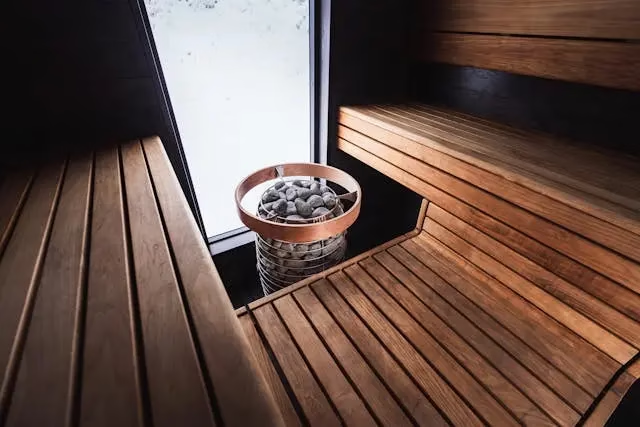
This is the most traditional and popular type, usually in a wooden room heated by wood or electricity. Some include heated stones where water is poured to create light steam.
Temperature and Humidity
- Temperature: 158 ºF to 212 ºF (70 ºC to 100 ºC)
- Humidity: 10% to 20%
How to Use Correctly
- Sessions of 5 to 20 minutes
- 2 to 7 times per week
- Alternate with cooling down (cold shower, pool, or room temperature)
Specific Benefits
- Significant increase in circulation;
- Deep muscle relaxation;
- Improvement of vascular elasticity.
- Steam Sauna (Wet Sauna)
It operates with lower temperatures and very high humidity, which can reach 100%.
Temperature and Humidity
- Temperature: 104 ºF to 122 ºF (40 ºC to 50 ºC)
- Humidity: Up to 100%
How to Use Correctly
- Sessions of 15 to 20 minutes
- Up to 4 times per week
Best for:
- Respiratory problems;
- People sensitive to the extreme heat of the dry sauna.
- Infrared Sauna
Instead of heating the environment, it directly heats the body through infrared light waves—providing gentler and more penetrating heat.
Temperature and Humidity
- Temperature: 113 ºF to 140 ºF (45 ºC to 60 ºC)
- Humidity: 25% to 35%
How to Use Correctly
- Start with 5 to 10 minutes
- Gradually increase to 15 to 30 minutes
- Can be done 3 to 4 times per week
Specific Benefits
- Less thermal discomfort;
- Deep sweat even at lower temperatures;
- Good option for seniors and beginners.

Essential Precautions When Using a Sauna
For the sauna to be safe and beneficial, some precautions must be followed:
- Consult a doctor before use, especially if you have chronic diseases, take continuous medications, or are pregnant.
- Hydrate well: drink 1 to 2 glasses of water before, during, and after.
- Limit sessions to between 15 and 30 minutes.
- Beginners should start with 5 to 10 minutes.
- Avoid alcohol before or during the sauna.
- Take a quick shower before and after the session.
- Wear light clothing or just a towel.
- Avoid medications that impair perspiration (risk of overheating).
- Do not use anti-hypertensives immediately before (risk of blood pressure drop).
If symptoms like dizziness, nausea, drowsiness, or discomfort occur, the person must leave the sauna immediately.
Risks and Possible Side Effects
Despite the benefits, the sauna can cause adverse effects, especially when used without guidance or for excessive time.
The main risks include:
- Dehydration;
- Blood pressure drop;
- Dizziness and fainting;
- Increased urinary frequency;
- Thermal burns;
- Eye irritation.
More rare risks:
- Rhabdomyolysis;
- Non-exertional heatstroke;
- Hypersensitivity pneumonitis;
- Temporary leg pain;
- Myocardial ischemia.
Special Attention to Male Fertility
The heat can reduce sperm count and motility, temporarily affecting fertility.
Who Should NOT Use a Sauna
Sauna use is contraindicated for people with:
- Multiple sclerosis;
- Active infectious diseases;
- Unstable angina;
- Decompensated heart failure;
- Severe aortic stenosis;
- Recent stroke or heart attack.
The following also require prior medical evaluation:
- People with uncontrolled high blood pressure;
- Individuals with low blood pressure;
- People with epilepsy;
- Cardiac patients;
- People under 16 or over 65.
Pregnancy
Pregnant women or women trying to conceive should avoid the sauna, especially in the first trimester, due to the risk of fetal malformations caused by excessive heat.
Conclusion: The Sauna Can Be Your Wellness Ally—When Used Mindfully
The sauna is a powerful practice for relaxation, physical recovery, and health promotion. Its benefits range from improving circulation to helping control stress and sleep quality. However, it must be used with care and responsibility, respecting individual limits and health recommendations.
If correctly incorporated into the routine, it can become one of the most pleasant and therapeutic habits for the body and mind.
