
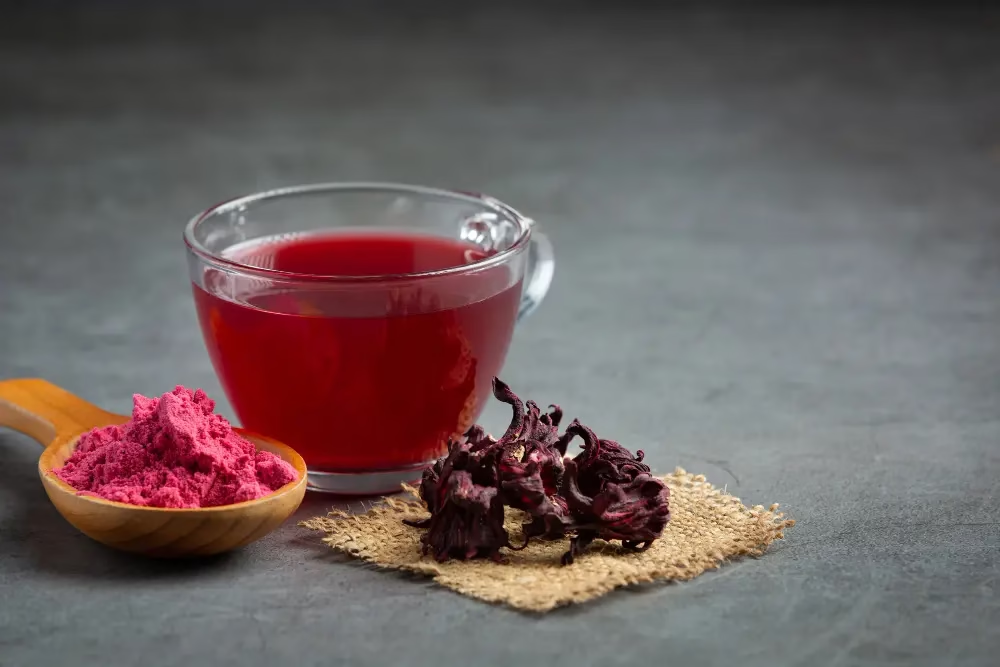
Karkade, better known as hibiscus tea, is one of the most ancient and fascinating infusions in human history. With its intense ruby color, slightly tart flavor, and striking floral aroma, this millennial drink carries a legacy that dates back to the time of the Pharaohs of Egypt.
Far beyond a simple refreshing beverage, Karkade is a true cultural and medicinal symbol. From its origins on the banks of the Nile River to its global popularity, hibiscus tea has been celebrated for its health benefits, visual beauty, and spiritual significance.
In this article, you will discover the history of Karkade tea, how it is produced, its potential effects on the body and mind—and why it is still considered a natural treasure of the tropics.
🌿 What is Karkade Tea?
While many people refer to hibiscus as “tea,” it is technically an herbal infusion—because it does not come from the Camellia sinensis plant, the source of traditional teas (green, black, white, etc.).
Karkade is prepared from the calyxes of the Hibiscus sabdariffa flower, also called roselle. The calyx is the structure that surrounds the seed pod and concentrates the dark-red pigment characteristic of the tea.
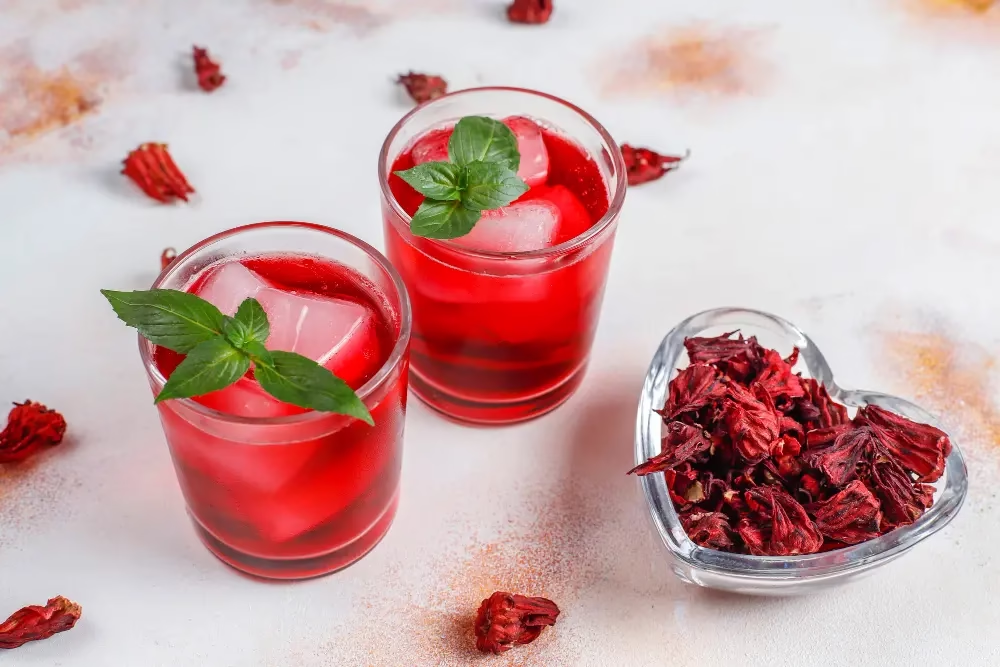
Depending on the region, Karkade can be consumed hot or iced, often sweetened with sugar, honey, or dates. Its flavor is tart and refreshing, resembling cranberry, with a slight natural sweetness that makes it a delicious alternative to sodas and artificial juices.
🏺 A Drink with History: Karkade in Ancient Egypt
Karkade is deeply rooted in Egyptian culture. It is believed to have been the favorite drink of the Pharaohs, a symbol of vitality and rejuvenation.
Ancient records, such as the famous Ebers Papyrus (dating back to around 1550 B.C.), already mention the use of hibiscus in medicinal preparations, especially for soothing inflammation and improving circulation.
For centuries, Karkade was served at royal banquets and religious ceremonies, considered a sacred elixir. Today, it is still widely consumed in Egypt, Sudan, and other countries in North Africa and the Middle East—especially at weddings and celebrations, as a symbol of love, prosperity, and health.
🌞 The Cultivation of Hibiscus Sabdariffa
The hibiscus used for Karkade primarily grows in tropical and subtropical regions, notably Egypt and Sudan. The hot, dry, and sunny climate of these regions is perfect for the plant’s development.
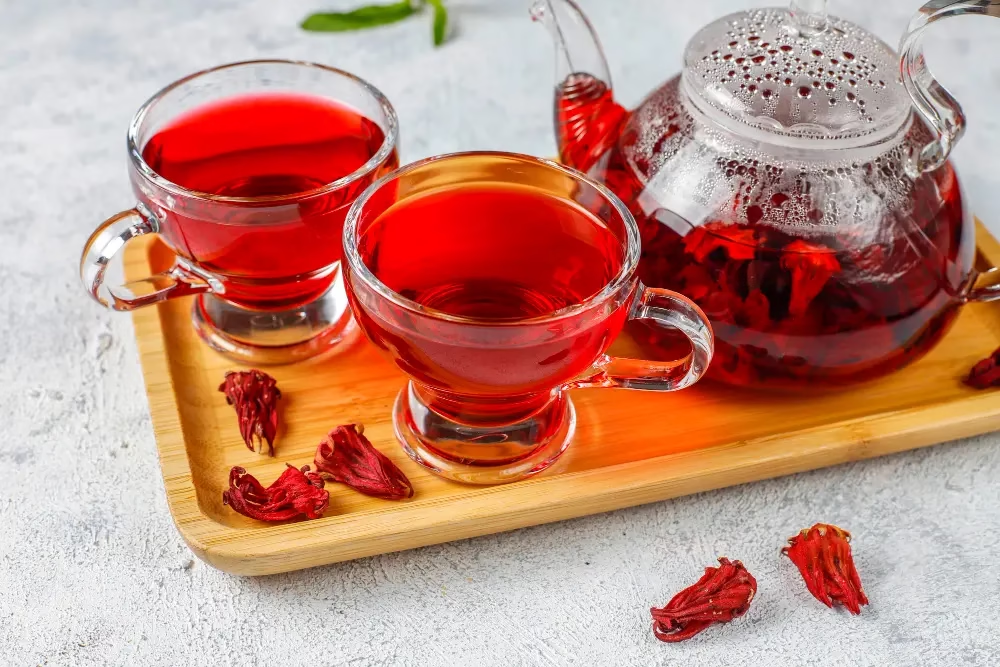
During cultivation, hibiscus requires about 13 hours of daily sunlight in the first months of growth. When it reaches maturity, the calyxes are harvested manually and then naturally dried for several days, preserving their properties and vibrant colors.
This artisanal process is what guarantees the distinct flavor and purity of the true Egyptian Karkade, exported to various countries as a premium product.
💪 Karkade Tea Health Benefits
In recent years, Karkade has gained popularity worldwide, not only for its exotic flavor but also for its potential health benefits highlighted by scientific research.
- Helps Control Blood Pressure
Several studies suggest that hibiscus tea can contribute to the reduction of blood pressure, thanks to anthocyanins, natural pigments with a vasodilating action. This property makes Karkade a natural ally for those looking to protect their cardiovascular system.
- Contributes to Cholesterol Balance
Regular consumption of the tea may help reduce LDL (“bad”) cholesterol and increase HDL (“good”) cholesterol. The polyphenols present in hibiscus have an antioxidant effect, helping to prevent the buildup of fat in the arteries.
- Rich in Antioxidants
Hibiscus is a true antioxidant powerhouse. It fights free radicals, which are responsible for premature aging and various degenerative diseases. Therefore, it is an excellent choice for those who wish to strengthen immunity and maintain healthy skin.
- Support for Liver Health
Preliminary research indicates that bioactive compounds in hibiscus can stimulate liver detoxification and protect liver cells against oxidative damage—making the tea a good option for those seeking more natural detox habits.
- Potential Anti-Cancer Properties
Some studies suggest that the polyphenols and flavonoids in hibiscus may inhibit the growth of cancer cells, although research is still in the initial phase. Nevertheless, these results reinforce the tea’s role as an ally in the prevention of chronic diseases.
⚠️ Cautions and Contraindications
Despite the numerous benefits, Karkade should be consumed in moderation.
Its hypotensive effect (blood pressure lowering) can cause an excessive drop in blood pressure in sensitive individuals. Furthermore, the tea may interact with diuretic or anti-hypertensive medications.
Pregnant and breastfeeding women should also consult a doctor before including hibiscus in their routine, as high doses may stimulate uterine contractions.
🌍 Karkade Around the World: Tradition and Modernity
In countries like Sudan, the tea is a symbol of hospitality: it is served to important guests and at family celebrations.
In Mexico, it is known as “Agua de Jamaica,” a popular iced street drink, especially during the summer.
In the United States and Europe, hibiscus has gained space in cafes and natural food stores, being used not only in teas but also in kombuchas, sorbets, cosmetics, and antioxidant supplements.
What was once a secret of the Pharaohs is now a global wellness phenomenon.
🧘♀️ A Ritual of Health and Natural Beauty
More than just a beverage, Karkade is a self-care ritual. Its vibrant flavor and intense color invite a pause—a moment of reconnection with the body and with nature.
Adopting the habit of drinking hibiscus tea can be a simple and pleasurable way to cultivate vital energy, hydrate the body, and balance emotions.
When combined with a balanced diet and healthy habits, Karkade can become a powerful ally for daily well-being.
🌺 Conclusion: The Living Legacy of the Pharaohs
Karkade tea is much more than an infusion—it is a liquid history that has traversed millennia, cultures, and borders. From a royal symbol in Ancient Egypt to a star of modern teas, it continues to enchant with its color, flavor, and benefits. Every sip is a tribute to ancestral wisdom and the strength of nature.
“Try Karkade and taste history in every sip! How about brewing a cup today and discovering the tea that captivated the Pharaohs?”
Before trying any tips from this post—such as exercises or herbal teas—be sure to consult a doctor, nutritionist, or qualified health professional. Your body is unique, and taking the right precautions is the first step to a healthy life.
