
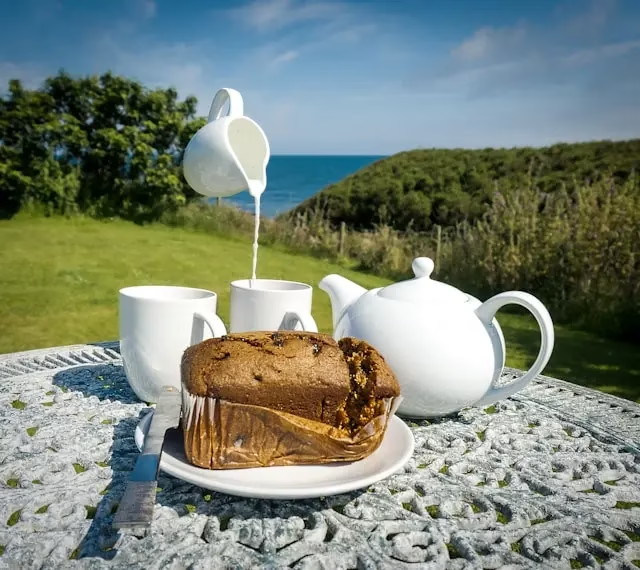
Juneteenth is one of the most important milestones in United States history. Far beyond a holiday, it symbolizes the struggle, resistance, and hard-won freedom of millions of Black people who were enslaved for centuries. And like every significant celebration, food plays a central role—especially tea cakes, which have become a symbol of unity, tradition, and flavor.
In this article, you will learn about the origins of Juneteenth, why tea cakes gained prominence on this date, how they were historically prepared, and how you can include them in your celebration today.
What is Juneteenth and Why is it Celebrated?
Juneteenth, celebrated on June 19th, marks the date in 1865 when enslaved people in Texas finally learned they were free—more than two years after Abraham Lincoln signed the Emancipation Proclamation.
At that time, the Civil War was already nearing its end, but Texas’ isolation and the scarcity of Union troops delayed the enforcement of the law. It wasn’t until General Gordon Granger arrived in Galveston and announced General Order No. 3 that freedom was officially communicated.
Although the 13th Amendment to the Constitution was ratified months later, definitively abolishing slavery in all states, June 19th became known as the day of liberation. Today, Juneteenth is recognized as a federal holiday in the United States and is celebrated across different regions of the country.
The First Juneteenth Celebrations
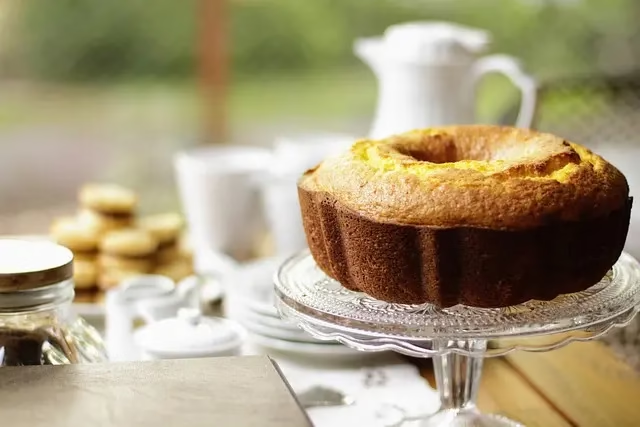
Soon after 1865, Black communities in Texas began organizing events to remember and honor their freedom. Many of these early celebrations took place in churches or community spaces, as they were safe locations for gatherings.
Over time, the celebration took on new forms of expression:
- Public readings of the Emancipation Proclamation
- Musical performances, poetry, and singing
- Rodeos and parades
- Community barbecues
- Street fairs and historical reenactments
In all these celebrations, food was always present as a symbol of unity, resistance, and ancestry. Among the traditional dishes, tea cakes became one of the most memorable treats.
Tea Cakes: A Tradition with the Flavor of Resistance
According to accounts from historians and advocates of African-American culinary culture, such as retired professor Etha Robinson, tea cakes have existed for at least 200 years. They were created as an adaptation of the European tea cake, which was similar to what we know today as a cupcake.
During the era of slavery, refined ingredients were practically inaccessible to Black people. This required creativity and improvisation:
- Refined sugar was often replaced by molasses or honey.
- Butter gave way to lard.
- Eggs and baking powder were used only when available.
- Spices like nutmeg or vanilla were considered luxuries.
The result was a simple dessert, yet deeply loaded with cultural significance. These cakes represented not just a dish, but a way to preserve traditions and celebrate life amidst adversity.
The Symbolism of Tea Cakes on Juneteenth
Tea cakes were more than just a dessert. They became a symbol of resilience and remembrance. Preparing and sharing these cakes during Juneteenth meant:
- Honoring the ancestors who struggled and resisted even under adverse conditions.
- Keeping African-American culture alive, transmitted through cuisine.
- Celebrating freedom with community unity, as sharing the food reinforced bonds of solidarity.
Today, they continue to grace tables during Juneteenth, alongside other traditional dishes like barbecue, watermelon, red drinks (such as hibiscus and strawberry soda), and homemade desserts.
Traditional Tea Cake Recipe
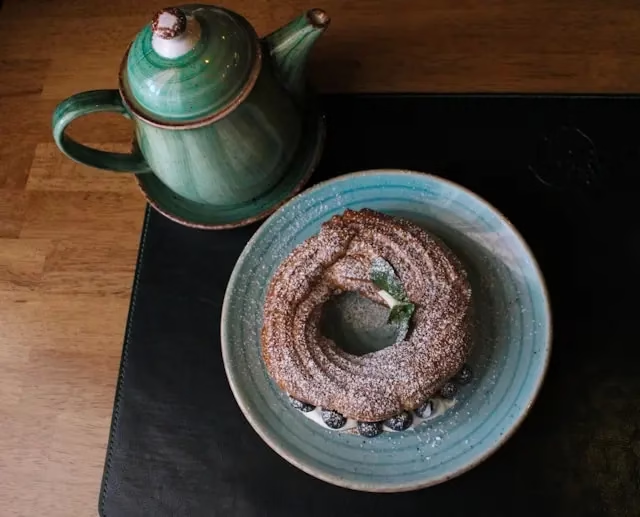
If you want to experience a piece of this tradition, here is a recipe inspired by the original versions, but adapted for modern times:
Ingredients:
- 2 cups all-purpose flour
- 1 cup sugar (or molasses, to maintain historical authenticity)
- ½ cup butter or lard
- 2 eggs
- 1 teaspoon baking powder
- 1 teaspoon nutmeg
- 1 teaspoon vanilla extract
- ½ cup milk
Instructions:
- Preheat your oven to 350ºF (180ºC).
- In a bowl, cream the butter (or lard) with the sugar until light and fluffy.
- Add the eggs one at a time and mix well.
- Add the sifted flour, baking powder, and spices.
- Pour in the milk gradually until the batter is homogeneous.
- Spoon onto greased baking sheets or pour into a medium baking pan.
- Bake for about 25 to 30 minutes, or until golden brown.
These cakes are simple, but they carry a powerful story.
How to Celebrate Juneteenth Today
If you want to participate in the commemorations, here are a few ideas:
- Attend Local Events
Many cities across the United States organize festivals, parades, and cultural performances.
- Support Black-Owned Businesses
Valuing local businesses is a practical way to honor the spirit of the day.
- Study and Share the History
Read about Juneteenth and share information on social media to keep the memory alive.
- Prepare Traditional Recipes
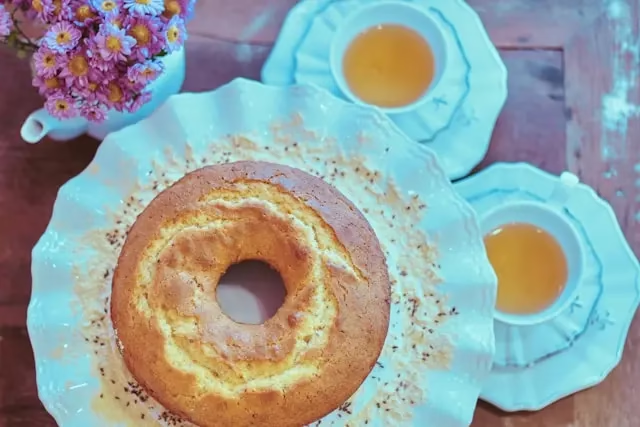
Making and sharing tea cakes can be a delicious way to connect the past and present.
👉 How about preparing your own version of the tea cake this Juneteenth? Share your recipe or photo on social media and help keep this tradition alive!
Before trying any tips from this post—such as exercises or herbal teas—be sure to consult a doctor, nutritionist, or qualified health professional. Your body is unique, and taking the right precautions is the first step to a healthy life.
