
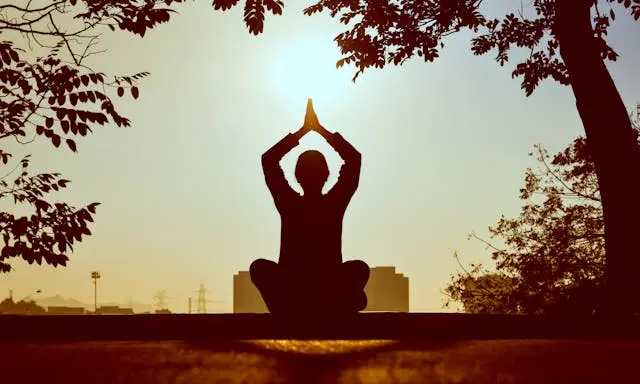
Have you ever felt like your mind is so full that you just can’t switch off your thoughts? We live in fast-paced times, surrounded by constant demands and overstimulation, which can take a toll on our mental health. The good news? There are effective, science-backed techniques—simple and accessible—that can help you slow down, reduce stress, and restore emotional balance.
In this article, discover 8 practical strategies to naturally calm your mind, ease anxiety, and boost your overall well-being. These are gentle methods you can gradually incorporate into your daily routine to experience more peace from within.
✅ Why Is It Important to Learn How to Calm the Mind?
A restless, constantly worried, or distracted mind can lead to:
- Trouble concentrating
- Irritability
- Insomnia
- Chronic anxiety and stress
- Decreased productivity
Taking care of your mental health isn’t a luxury—it’s essential for emotional balance, physical health, and overall quality of life.
🧘 1. Meditation and Mindfulness: Training for a Calm Mind
Meditation is one of the most powerful tools to calm the mind. It helps you focus on the present, slows racing thoughts, and lowers cortisol levels—the primary stress hormone.
🔸 How to practice:
- Guided meditation: Use apps or online videos to lead you through the process—great for beginners.
- Mindfulness: A technique that encourages non-judgmental awareness of your thoughts, emotions, and physical sensations.
- Moving meditation: Yoga, tai chi, or mindful walking connect body and mind.
- Mantra repetition: Saying words like “calm,” “peace,” or “stillness” out loud or silently can help quiet the mind.
Start with just 5 minutes a day and gradually increase. The key is consistency.
🏃 2. Get Moving: Physical Activity That Releases Stress
Exercise isn’t just great for your body—it works wonders for your mind, too. Physical movement releases endorphins and serotonin, neurotransmitters that elevate your mood and reduce stress.
🔸 Proven benefits:
- Decreases anxiety
- Improves sleep
- Boosts energy and motivation
- Helps manage depression symptoms
You don’t need intense workouts—walking outdoors, dancing, swimming, or biking a few times a week can have lasting effects.
🗓️ 3. Organize Your Schedule to Reduce Mental Overload
An overwhelming to-do list and the feeling of never having enough time can increase mental stress. Organizing your day brings clarity, helps you focus, and creates space for calm.
🔸 Practical tips:
- Prioritize your day using planners or task management apps.
- Build in short breaks between tasks.
- Learn to say “no” to things that don’t serve your well-being.
- Set aside guilt-free time for rest and enjoyment.
A well-structured day helps create a more peaceful mind.
🤝 4. Strengthen Social Bonds: The Healing Power of Connection
Talking to someone you trust is a powerful way to process emotions and calm racing thoughts. A strong support system builds emotional resilience.
🔸 Ways to nurture connection:
- Reconnect with friends or distant relatives.
- Join groups with shared interests (like gardening, book clubs, or walking groups).
- Practice active listening with those around you.
- Don’t hesitate to reach out to a therapist or support group when needed.
Having meaningful relationships reduces loneliness and helps you better navigate emotional challenges.

🥦 5. Eat for Mental Balance
What you eat directly affects brain function and your ability to manage stress. Certain nutrients are vital for nervous system regulation and emotional balance.
🔸 Nutrients to include:
- B-complex vitamins: Found in eggs, leafy greens, and whole grains—essential for nervous system health.
- Omega-3 fatty acids: Found in salmon, sardines, flaxseed, and chia—anti-inflammatory and mood-boosting.
- Magnesium: Present in avocados, bananas, and nuts—helps reduce anxiety.
- Tryptophan: In oats, yogurt, and dark chocolate—helps produce serotonin.
Limit caffeine, sugar, and processed foods, which can disrupt mood and increase anxiety.
💆 6. Massage and Aromatherapy: Calming Touch and Scents
Therapeutic touch is a natural stress reliever. Gentle massages soothe the nervous system and release muscle tension, while aromatherapy enhances the calming effect.
🔸 Simple techniques to try:
- Self-massage: Focus on your neck, shoulders, or scalp.
- Essential oils: Lavender, chamomile, sweet orange, or bergamot—diluted for massage or used in a diffuser.
- Explore traditional techniques like Shiatsu or Ayurvedic massage.
These self-care moments create a deeper mind-body connection.
🎵 7. Sound Therapy: Music That Soothes the Brain
Music has a powerful impact on your emotional state. Certain sounds can induce brainwave patterns associated with relaxation and calm.
🔸 Soothing sound ideas:
- Nature sounds (rain, ocean, birdsong)
- Classical or soft instrumental music
- Mantras, Tibetan chants, or healing frequencies like 432 Hz and 528 Hz
- Relaxation playlists on Spotify or YouTube
Listening to calming music before bed or during the day can enhance focus and ease stress.
🍵 8. Calming Teas and Herbal Remedies
Herbal teas are time-honored allies in emotional well-being. They taste wonderful and offer natural calming properties that regulate the nervous system.
🔸 Try these calming options:
- Chamomile and Lemon Balm: Gentle and effective for sleep and relaxation.
- Valerian root: Stronger calming effects, great for anxiety and insomnia.
- Mulungu (Brazilian coral tree): Helps relieve emotional tension and aids sleep.
- Passionflower: A natural anxiolytic that soothes the mind.
Enhance your tea time with a peaceful activity like reading or listening to soft music.
📋 Action Plan: A Step-by-Step Path to Mental Calm
To avoid overwhelm, ease into these practices over time. Here’s a suggested 8-week plan:
Weeks | Suggested Practice |
1–2 | 5 minutes of daily meditation |
3–4 | Light exercise (walk or dance) 3x a week |
5–6 | Improve nutrition + try calming teas |
7–8 | Create a soothing playlist + try self-massage |
This gentle progression allows your body and mind to adapt gradually—without pressure.
✅ Final Thoughts: Your Mind Needs Stillness to Thrive
Living in balance doesn’t mean eliminating all stress, but rather learning to navigate it with calm and awareness. Integrating habits that calm the mind is an essential act of self-care. It improves not only your mental health, but also your relationships, productivity, and quality of life.
Remember: small, consistent actions lead to meaningful transformation.
You deserve a life filled with serenity.
👉 Which of these strategies will you try first?
Share your choice in the comments and inspire others to prioritize their mental well-being too!
🔔 Take care of yourself responsibly!
Before trying any tips from this post—such as exercises or herbal teas—be sure to consult a doctor, nutritionist, or qualified health professional. Your body is unique, and taking the right precautions is the first step to a healthy life.
