

When the days grow shorter, the cold intensifies, and Christmas lights begin to transform streets and homes, something shifts in the air. Christmas awakens feelings of warmth, reflection, hope, and togetherness. It is the time when families gather, traditions are revived, and special flavors take center stage. Among popular drinks like hot chocolate, mulled wine, and eggnog, a discreet presence, yet one rich in history and significance, has been gaining ground over the centuries: Christmas tea.
While today it seems natural to associate tea with moments of comfort during the holiday season, this tradition has deep roots in social transformations, cultural movements, and customs that crossed borders. In this article, you will discover how tea became a symbolic Christmas drink, how this tradition spread globally, which flavors defined the era, and why it remains so present in modern celebrations.
🌍 Christmas Before Tea: Drinks and Excesses in 19th-Century Europe
Before tea conquered its place at Christmas, alcoholic beverages completely dominated the celebrations, especially in Europe. In the United Kingdom in the 19th century, for example, Christmas was one of the rare periods of respite for the working class. After long days in the factories, the holiday represented an opportunity to escape the exhausting routine.
🍺 The Role of Alcohol in Older Festivities
Beers, spirits, and fermented drinks were part of the daily culture, and at Christmas, consumption intensified. For many workers, drinking at pubs was almost a mandatory holiday ritual.
However, this behavior also brought serious social consequences:
- Excessive spending on alcohol
- Domestic violence
- Financial problems
- Family breakdown
- Increase in alcohol-related diseases
Christmas, which was supposed to symbolize peace and unity, often ended up being marked by conflict and hardship for many families.
✝️ The Temperance Movement and the Rise of Christmas Tea
Faced with this scenario, the Temperance Movements emerged in the 1830s—groups that advocated for the reduction or elimination of alcohol consumption. These movements had a strong religious, social, and moral influence.
☕ Tea as a Healthy Alternative
The leaders of the movement realized that simply condemning alcohol consumption was not enough—they needed to offer a socially appealing alternative. And thus, tea began to gain prominence.
Tea was already widely consumed in the UK, but it was not yet part of major celebrations. From this point on, it began to fulfill a new role: to replace alcohol in festive gatherings, including Christmas.
📍 The Historic Gathering of 1834
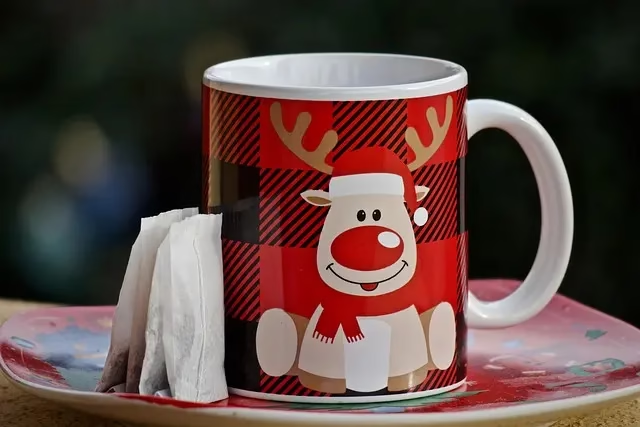
A significant milestone occurred on December 25, 1834, at the Cloth Hall in Preston, England. Over 1,200 people attended a large tea party organized by temperance advocates. The event featured:
- Speeches against alcoholism
- Religious sermons
- Music
- Socializing
- And, of course, lots of tea
The event was so successful that similar gatherings quickly began to spread across the country.
🇬🇧 The Popularization of Christmas Tea in England
The tradition of Christmas tea parties gained strength throughout the 19th century, especially among the middle and working classes. Over time, it was also adopted by the British elite, who already cultivated the habit of the famous Afternoon Tea.
🍰 The Evolution from Simple Tea to Festive Tea
Initially, the gatherings were simple: a cup of hot tea and some bread. Over the years, these events became more sophisticated and included:
- Cakes
- Pies
- Shortbread cookies
- Delicate sandwiches
- Sweets with spices
Tea ceased to be just a substitute for alcohol and became a symbol of elegance, conviviality, and celebration.
🇺🇸 Christmas Tea Arrives in the United States
The tradition quickly crossed the Atlantic. British immigrants brought with them the custom of festive teas, which blended with North American cultural practices.
In the United States, Christmas tea gained new characteristics:
- Incorporation of local ingredients
- Sweeter and more intense flavors
- Thematic decoration
- Charitable and community events
Luxury hotels, tea rooms, and large residences began to organize Christmas Tea Parties, often for philanthropic purposes.
🍎 Spices, Fruits, and Aromas: The Traditional Flavors of Christmas Tea
One of the most enchanting aspects of Christmas tea is its combination of aromas and flavors that evoke fond memories and warm the senses.
🌰 Classic Spices
Spices play a central role in Christmas recipes, both in teas and accompaniments. Among the most used are:
- Cinnamon
- Cloves
- Cardamom
- Nutmeg
- Ginger
These ingredients bring not only flavor but also digestive and thermogenic properties, ideal for winter.
🍏 Fruits That Mark the Season
Fruits typical of the cold weather often appear in infusions and accompaniments:
- Apple
- Orange
- Cranberry
- Pumpkin
- Pear
The famous apple-cinnamon tea, for example, has become practically a symbol of Christmas in many countries.
🏨 Christmas Tea in Luxury Hotels
To this day, traditional hotels in the UK and the United States maintain the tradition of Christmas teas as a special experience for guests and visitors.
During the month of December, these spaces offer:
- Themed menus
- Decorated china
- Exclusive sweets
- Ornamented settings
- Live Christmas music
These events have become tourist attractions and represent a true dive into the traditions of the past with the comfort of the present.
🏠 Christmas Tea at Home: A Ritual of Coziness
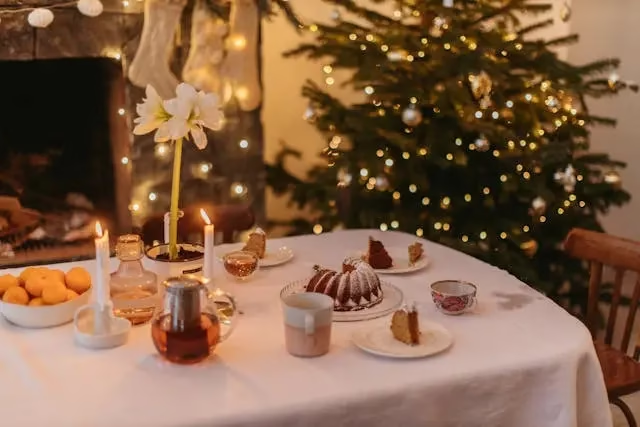
Although luxurious events are charming, the true spirit of Christmas tea lies in the simple gatherings at home. Preparing a cup of tea for someone is a gesture of care, affection, and welcome.
❤️ The Emotional Significance of Tea at Christmas
Tea symbolizes:
- Pause
- Connection
- Comfort
- Presence
- Listening
In an increasingly fast-paced world, sitting down at the table to share tea at Christmas is almost an act of emotional resistance—an invitation to slow down.
🌿 Benefits of Tea for the Holiday Season
In addition to its cultural value, tea brings important health benefits, especially during a period marked by dietary excesses.
✅ Aid in Digestion
Teas like peppermint, ginger, and fennel help to relieve:
- Bloating
- Indigestion
- Nausea
- Feeling of heaviness in the stomach
✅ Relaxation and Well-Being
Chamomile, lemon balm, and lavender teas contribute to:
- Stress reduction
- Improved sleep
- Muscle relaxation
- Emotional balance
✅ Immunity in Winter
Ingredients such as ginger, lemon, cinnamon, and turmeric strengthen the immune system, which is essential during the winter.
🎁 Christmas Tea as a Thoughtful Gift
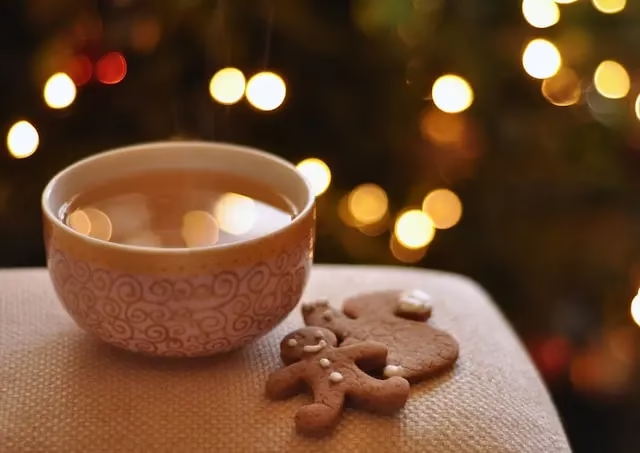
Another way to keep the tradition alive is to turn tea into a special gift. Kits featuring:
- Christmas blends
- Personalized mugs
- Artisan cookies
- Honey, spices, and infusers
are caring, sustainable, and meaningful options.
🌎 Christmas Tea in Different Cultures
Each country has adapted the Christmas tea to its own style:
- United Kingdom: Themed Afternoon Tea with classic decoration.
- United States: Teas with intense flavors, such as pumpkin spice.
- Germany: Combination with spices used in Glühwein (mulled wine).
- Brazil: Blends with tropical fruits and local herbs.
Even in countries where tea was not traditionally a Christmas beverage, it has been gaining ground as a healthy and elegant alternative.
✨ Why Does Tea Remain Relevant at Christmas?
Even after nearly two centuries since its introduction to the holidays, tea remains relevant because it adapts to the times without losing its symbolism.
It represents:
- Simplicity amidst abundance
- Care in times of rush
- Unity in an increasingly individualistic world
- Tradition blended with innovation
🎄 Conclusion: Tea as a Symbol of Unity, Health, and Tradition
The history of Christmas tea is, above all, a story of social transformation, collective care, and the re-signification of habits. What started as an alternative to excessive alcohol consumption has become a symbol of coziness, elegance, and human connection.
Today, whether in luxurious hotels, family gatherings, or small personal rituals, tea continues to fulfill its role: warming hands, hearts, and memories. In a period so marked by excess, tea reminds us that the true spirit of Christmas lies in the simplicity of sharing a moment.
How about turning this Christmas into a tea break—and a pause for what truly matters?
